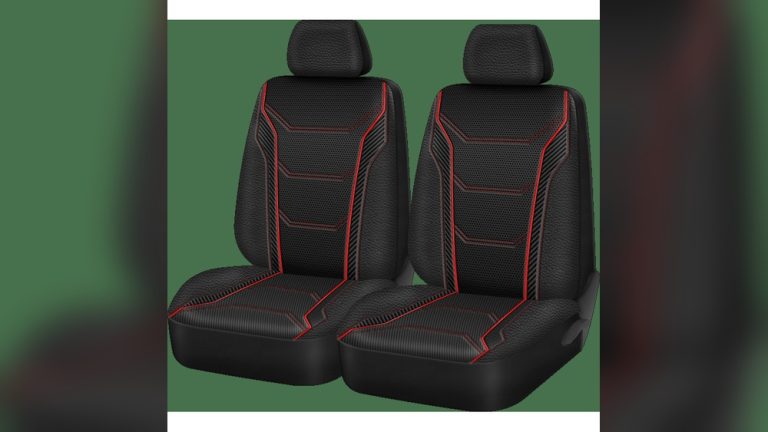
Are Winter Car Seat Covers Safe: Safety Tips & Risks
Winter car seat covers are generally safe when fitted and chosen correctly, but some risks remain.
I’ve spent years testing car accessories and advising drivers. This article answers are winter car seat covers safe, explains common risks, and gives step‑by‑step tips to help you choose, fit, and use covers without compromising safety. Read on for clear, practical advice backed by experience and safety thinking.

Are winter car seat covers safe? Key points
Many drivers ask: are winter car seat covers safe for daily use? The short answer is yes, in most cases. Covers add warmth and protect seats from wet clothes and salt. But safety depends on fit, material, and whether your car has side airbags or seat sensors. Know your car’s systems and pick covers that keep them working properly.
Source: thecarseatlady.com
How winter car seat covers work
Seat covers create a barrier between your clothes and the factory upholstery. They add insulation and trap heat. Covers can be simple fleece throws or heavy padded liners. Some have built‑in heating elements. The best covers fit tightly and do not move around when you sit or get out. A slip‑free fit lowers the risk of movement that could affect driving.

Source: szymanowskitriathlonteam.pl
Main safety concerns with winter car seat covers
Drivers should watch for a few clear risks. Each issue is manageable with the right choice and setup.
- Airbag interference
- Side airbags often deploy from the seat or door. A bulky cover can block or slow airbag deployment.
- Seat sensor disruption
- Sensors detect weight and control airbags and seatbelt alerts. Thick padding may change readings and trigger false warnings.
- Slippage and driving control
- Loose covers can slide, making it harder to shift or hold the wheel comfortably.
- Fire and heat hazards
- Poorly made electric heated covers can overheat or short.
If you ask are winter car seat covers safe, think of these risks first. Choose covers designed for modern cars and follow the manufacturer’s safety guidance.

Source: amazon.com
Materials, flammability, and heating elements
Materials matter for comfort and safety. Common materials include fleece, neoprene, polyester, and faux fur. Each has pros and cons.
- Fleece
- Warm and light. Low risk of overheating. Easy to clean.
- Neoprene
- Water resistant and durable. Can be thicker and bulkier.
- Polyester blends
- Cheap and warm, but quality varies.
- Electric heated inserts
- Provide quick warmth. Must be certified and have thermal cutoffs.
Avoid covers that lack quality labels or safety certifications. While rare, low‑cost covers with faulty wiring can cause fires. Certified heating elements and built‑in thermostats reduce that risk.

Source: milksnob.com
Airbags, seat sensors, and electronics
Modern cars include safety systems in seats. When you wonder are winter car seat covers safe, this is the most critical area.
- Side airbags
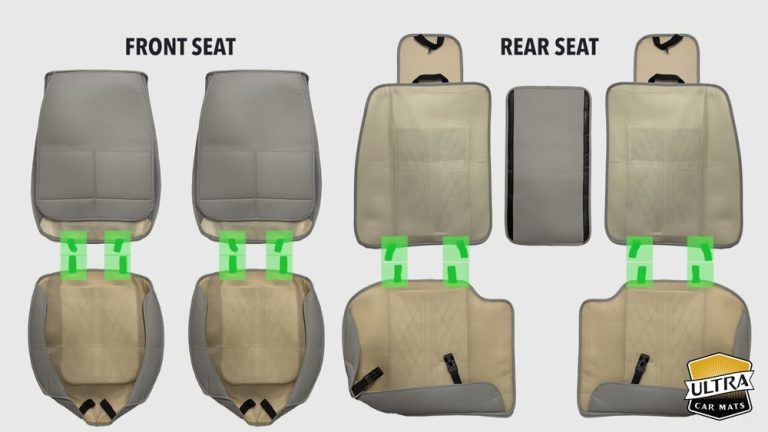
- Use covers that explicitly say they are airbag compatible. These covers have seams that split when an airbag deploys.
- Occupant weight sensors
- Thin covers rarely change sensor readings. Thick pads and aftermarket foam can alter sensor behavior.
- Seat heaters and wiring
- Never stack an aftermarket heated cover over a built‑in seat heater. Wiring conflicts can short circuits or overheat.
If in doubt, consult your vehicle manual or dealer. Some manufacturers advise against any aftermarket seat covers for models with built‑in, seat‑mounted airbags.

Source: amazon.com
Installation, fit, and driving risks
A proper fit is as important as material.
- Fit tips
- Choose a cover made for your seat shape. Use straps and anchors as directed.
- Secure the headrest and tuck any loose fabric under the seat.
- Test drive
- After installation, check seat controls and belts. Drive slowly in a parking lot to feel for slipping.
- What to avoid
- Do not place cover straps under a seat in a way that blocks airbag seams. Avoid covers that bunch up or move when you shift.
A snug, stable cover reduces slips and keeps sensors accurate. That improves both comfort and safety.
Source: allurelakestorey.com
Cleaning, maintenance, and longevity
Good care keeps covers safe and effective.
- Cleaning
- Follow the label. Many covers are machine washable. For electric covers, remove wiring before washing.
- Inspect regularly
- Check for frayed fabric, torn seams, or exposed wiring.
- Replace when worn
- Worn covers can slide more. Replace a cover if foam or fabric breaks down.
Simple care extends life and keeps the safety features working.

Source: amazon.com
Benefits and when to use seat covers
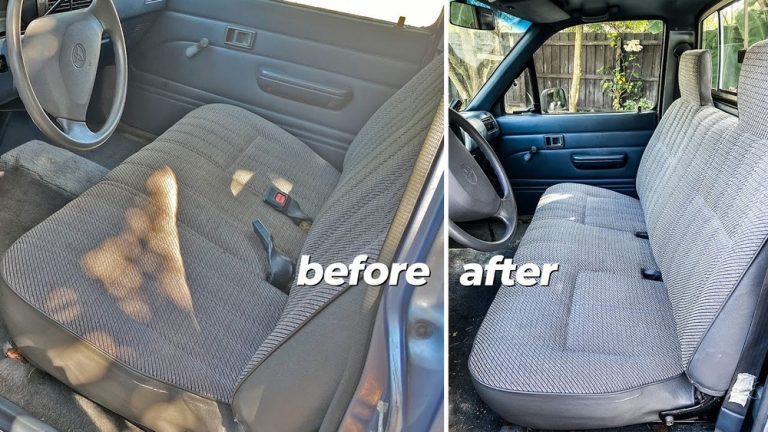
Seat covers offer clear advantages in winter.
- Keeps you warm
- Fleece and padded covers trap heat. They make cold starts much more comfortable.
- Protects seats
- Covers block snow, salt, and damp clothing from staining upholstery.
- Cost effective
- Covers are cheaper than expensive reupholstery or seat heaters.
If your car lacks built‑in heated seats, a good cover is a low‑cost comfort boost. Just balance comfort against safety needs for your car model.
Limitations and when to avoid them
Some situations call for caution.
- High‑tech seats
- If your car has complicated seat sensors or built‑in airbags, avoid non‑OEM covers unless certified.
- Medical or child seats
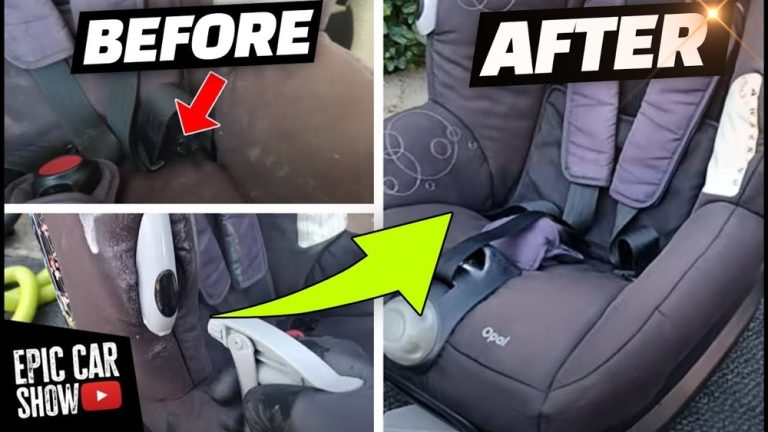
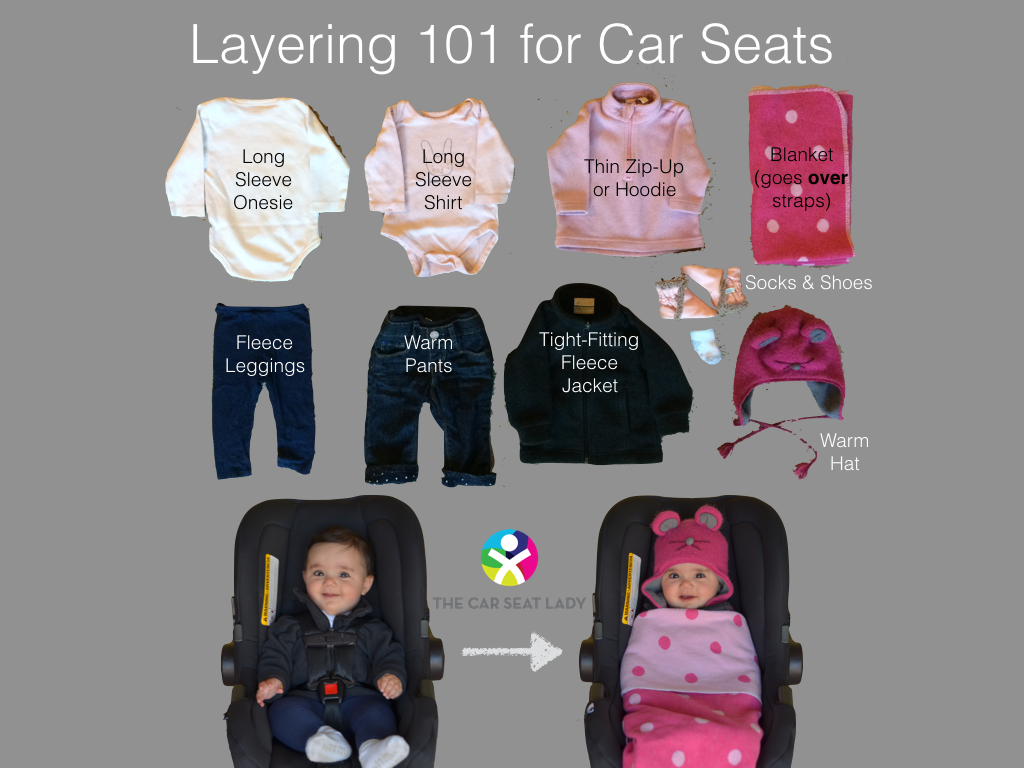
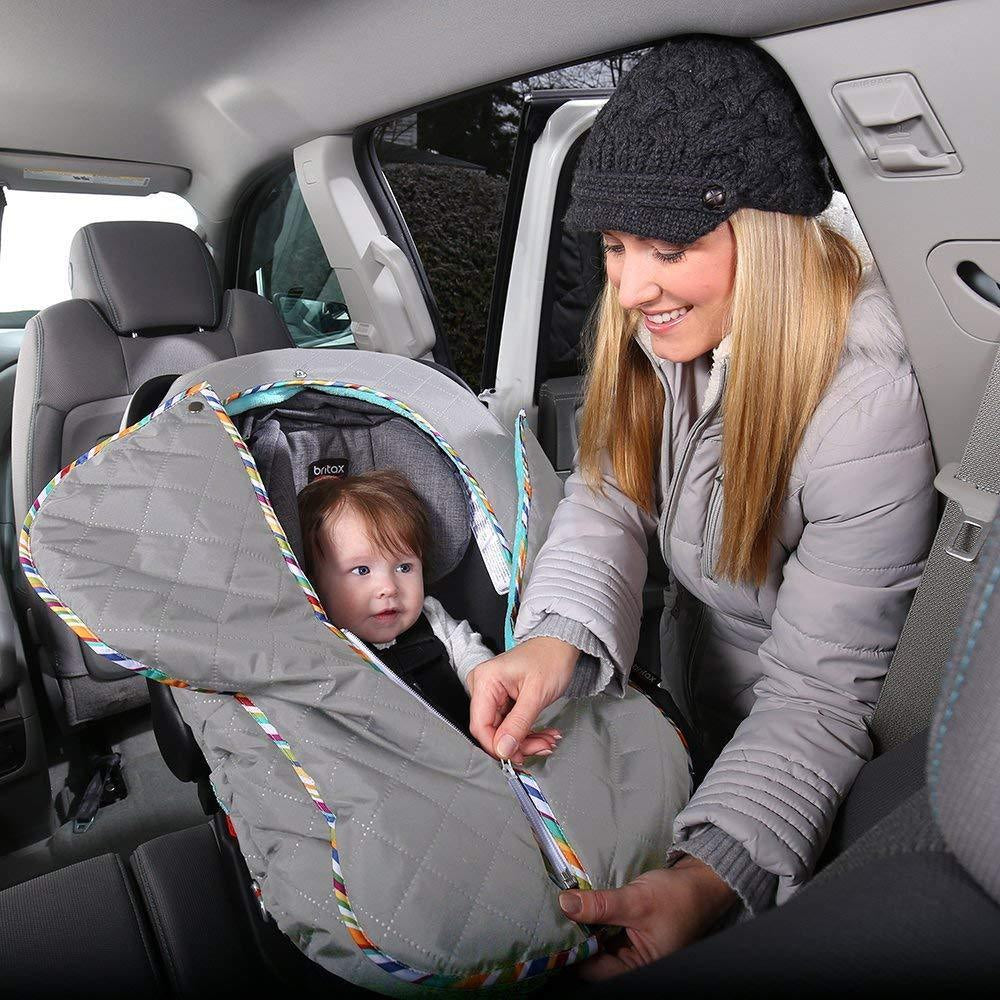
- Do not place covers under child seats or medical restraints unless the cover is designed for that use.
- Warranty concerns
- Some manufacturers warn that aftermarket covers may affect seat warranty. Check your manual.
If you are unsure, use simple, low‑profile covers or leave seats uncovered.
Personal experience and practical tips
I have installed many winter covers on different cars. I learned a few clear lessons.
- Match covers to the car
- One size rarely fits all. I once fit a bulky neoprene cover to a car with side airbags and had to remove it.
- Test sensors
- After install, I checked the airbag warning light and passenger detection. Thin covers did not change the readings.
- Choose trusted brands
- Cheap covers can sag and move. Mid‑range covers lasted longer and stayed in place.
If you try a cover, fit it, test the seat sensors, and do a short drive. If any warning lights appear, remove the cover and check again.
Common questions drivers ask
Q: Will a cover stop my side airbags from working?
- Some covers can interfere. Use an airbag‑compatible cover or check your manual to be safe.
Q: Can a cover change the seatbelt or airbag indicator?
- Thick padding can alter sensor readings. Low‑profile covers usually do not.
Q: Are heated covers safe to use with built‑in seat heaters?
- No. Stacking heaters can overheat. Use only one heating system at a time.
Q: How do I know if a cover is airbag compatible?
- Look for clear labeling or seams designed to split. Manufacturer guidance helps.
Q: Do covers affect child seats?
- Avoid placing covers under child seats unless the cover is made for that purpose. Secure the child seat to the factory anchor points.
Frequently Asked Questions of are winter car seat covers safe
Are winter car seat covers safe for cars with side airbags?
Yes. Some are safe if they are labeled airbag compatible and have breakaway seams. If not labeled, avoid them or consult your car manual.
Will seat covers prevent the passenger sensor from working?
Thick or dense padding can affect sensors. Thin, low‑profile covers usually do not change sensor behavior.
Can I use an electric heated seat cover safely?
Yes if the cover is certified and used alone. Do not stack it with a factory seat heater, and inspect wiring before use.
Do winter seat covers void my car warranty?
They usually do not, but improper installation that damages the seat could. Check your vehicle’s warranty terms and follow manufacturer advice.
How can I test if a cover is safe in my car?
Install the cover, fasten everything, and sit in each seat to see if warning lights appear. Drive slowly and check for slipping or discomfort.
Conclusion
Winter car seat covers are a practical way to stay warm and protect upholstery. They are safe for most drivers when you choose the right material, confirm airbag compatibility, and install them correctly. Always test covers after installation and replace worn items.
Take action now: check your car manual, pick a certified cover if you have side airbags, and try a test fit before winter fully sets in. Share your experience below, subscribe for more car safety tips, or leave a question if you want help picking the right cover.