Can You Wash Car Seat Covers in the Washing Machine?
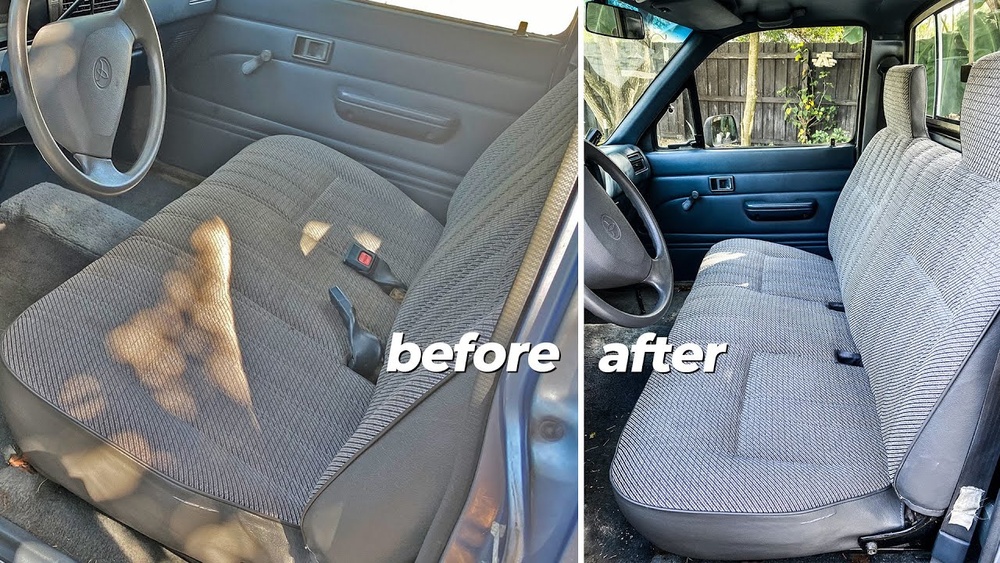
Are your car seat covers looking tired or stained? You might be wondering if tossing them into your washing machine is a safe and effective way to get them clean.
Washing car seat covers can seem tricky—after all, you want to avoid ruining the fabric or fit. But what if there’s a simple way to freshen them up without spending hours scrubbing? You’ll discover whether your washing machine can handle your car seat covers, how to prepare them for a wash, and the best tips to keep them looking like new.
Keep reading to learn how to give your car seats the care they deserve, easily and safely.
Credit: freesoo-auto.com
Machine Washing Car Seat Covers
Machine washing car seat covers can save time and effort. Many covers handle machine washing well. It helps remove dirt, stains, and odors effectively. Following proper steps keeps the fabric safe and fresh.
Not all car seat covers suit machine washing. Knowing which types work best prevents damage. Understanding care labels guides the washing process. Choosing the right settings protects your covers.
Types Suitable For Machine Wash
Fabric seat covers made of polyester or nylon often suit machine washing. These materials resist shrinking and fading. Removable covers with simple designs usually work well. Avoid machine washing leather or suede covers. They require special cleaning to stay intact.
Checking Care Labels
Care labels provide essential washing instructions. Look for symbols indicating machine wash safety. Some labels show maximum temperature limits. They may advise against bleach or fabric softeners. Always follow label directions to avoid damage.
Recommended Washing Settings
Use cold or warm water to protect fabric colors. Select a gentle or delicate cycle for less agitation. Avoid high spin speeds to reduce wear and tear. Use mild detergent without bleach or harsh chemicals. Air drying is best to maintain shape and texture.

Credit: www.youtube.com
Preparing Covers For Washing
Preparing your car seat covers for washing ensures they come out clean and undamaged. This process removes loose dirt, tackles stains, and detaches covers safely. Following these steps helps protect the fabric and maintain the cover’s shape.
Removing Loose Dirt And Debris
Start by shaking the covers outside to get rid of loose dirt. Use a vacuum cleaner with a brush attachment to remove dust and crumbs. This prevents dirt from spreading during washing. Removing debris first helps the washing machine clean better.
Pre-treating Common Stains
Check for stains like food, oil, or mud. Apply a gentle stain remover or mild detergent to these spots. Let it sit for 10 to 15 minutes before washing. Avoid harsh chemicals that can damage the fabric. Pre-treating ensures stubborn stains come out more easily.
Detaching Covers Safely
Read your car’s manual to find out how to remove seat covers correctly. Look for zippers, snaps, or Velcro fasteners. Gently detach without pulling hard to avoid tears. Keep track of all parts to make reattaching easier. Proper removal protects the covers and seat underneath.
Hand Washing Vs Machine Washing
Choosing between hand washing and machine washing car seat covers depends on the fabric and the dirt level. Both methods clean effectively but suit different needs. Understanding when to hand wash or use a machine helps protect the seat covers and extend their life.
When To Choose Hand Washing
Hand washing is best for delicate fabrics or covers with intricate designs. It prevents damage from harsh machine cycles. Use hand washing for small stains or light dirt. This method allows careful spot treatment and gentle cleaning. Hand washing also works well for covers that say “do not machine wash” on the label.
Benefits Of Machine Washing
Machine washing saves time and effort on heavily soiled covers. It cleans deeply and removes stubborn dirt. Most durable seat covers handle machine washing well. Use a gentle cycle with cold water to protect the fabric. Machine washing also helps keep covers fresh and hygienic by removing dust and allergens efficiently.
Pros And Cons Comparison
Hand washing pros include gentle care and precise stain removal. Cons are that it takes more time and effort. Machine washing pros include convenience and powerful cleaning. Cons include the risk of fabric shrinking or tearing if done improperly. Choosing the right method depends on the fabric type and cleaning needs.
Drying Car Seat Covers
Drying car seat covers properly is key to keeping them in good shape. After washing, they often feel damp and need careful drying. The right drying method prevents damage and keeps covers fresh. This section explains how to dry car seat covers safely and efficiently.
Air Drying Best Practices
Air drying is the safest way to dry car seat covers. Lay them flat on a clean surface or hang them on a clothesline. Avoid direct sunlight to prevent color fading. Make sure air flows well around the covers to speed drying. Patience helps; allow several hours or overnight for complete drying.
Avoiding Heat Damage
Heat can harm car seat covers, especially fabric or leather ones. Avoid using a tumble dryer or placing covers near heaters. High heat may shrink or warp the material. Keep covers away from hot appliances and direct sun rays. Gentle drying keeps the fabric soft and durable.
Reinstalling After Drying
Check that covers are fully dry before reinstalling. Damp covers can cause mold or bad smells inside the car. Smooth out wrinkles and reshape the covers if needed. Attach them carefully to avoid stretching or tearing. Proper reinstalling keeps your car seats looking neat and protected.
Cleaning Leather Car Seats
Leather car seats add style and comfort to your vehicle. They need special care to stay smooth and strong. Cleaning leather properly keeps it from drying out or cracking. Using the right products helps maintain its shine and softness. Avoid harsh chemicals that can damage the leather surface.
Regular cleaning with gentle methods protects the leather and extends its life. Dirt and spills can cause stains if left too long. Quick cleaning stops stains from setting in. Use soft cloths and mild cleaners designed for leather. This care keeps your car interior looking fresh and new.
Avoiding Dish Soap
Dish soap can remove grease but harms leather. It strips natural oils that keep leather soft. This causes dryness and cracks over time. Harsh detergents may damage the leather’s finish. Avoid using dish soap for general cleaning. It is safe only for quick spot cleaning in rare cases.
If you must use dish soap, dilute it heavily. Use one or two drops in a large bowl of warm water. Test on a hidden spot first. Rinse well and apply leather conditioner after cleaning. This helps restore moisture and protect the surface.
Using Specialized Leather Cleaners
Leather cleaners are made to clean without damage. They remove dirt and stains gently. These products keep leather soft and hydrated. Use a soft cloth to apply the cleaner. Follow the instructions carefully for best results.
After cleaning, use a leather conditioner. It nourishes the leather and prevents cracking. Regular use of cleaner and conditioner keeps seats looking new. Avoid products not made for leather. They can cause fading or stiffness.
Spot Cleaning Tips
Act fast on spills to prevent stains. Blot the area with a clean cloth. Avoid rubbing as it spreads the stain. Use a leather cleaner on the spot if needed. Test cleaner on a small area first.
For greasy spots, a tiny drop of diluted dish soap may help. Rinse with a damp cloth and dry immediately. Always follow with leather conditioner. This keeps the leather soft and protected.
Credit: www.seatcoversolutions.com
Maintaining Seat Covers
Keeping car seat covers clean and fresh improves your driving experience. Regular care extends their life and maintains the car’s interior appeal. Proper maintenance prevents stains, odors, and fabric damage. This section explains easy steps to care for your seat covers effectively.
Regular Cleaning Routine
Start with vacuuming seat covers to remove dirt and crumbs. Use a soft brush attachment to avoid fabric damage. Spot clean stains quickly using mild soap and water. For machine-washable covers, follow the manufacturer’s washing instructions closely. Air dry covers completely before reinstalling to prevent mold growth. Regular cleaning keeps covers looking new and prevents buildup.
Protecting Fabric And Leather
Use fabric protectors to shield cloth seat covers from spills and stains. Apply according to product instructions for best results. For leather covers, clean gently with a damp cloth. Avoid harsh soaps that remove natural oils. Use leather cleaner and conditioner to keep leather soft and prevent cracking. Protecting materials helps maintain color and texture over time.
Dealing With Odors
Freshen seat covers by sprinkling baking soda and letting it sit for 15 minutes. Vacuum thoroughly afterward to remove odors and residue. Use fabric sprays designed to neutralize smells without harsh chemicals. For leather, wipe with a damp cloth and apply conditioner to remove odors. Keeping seat covers odor-free improves comfort and car freshness.
Expert Tips And Tricks
Washing car seat covers in the washing machine can be simple with the right approach. Experts share valuable tips that help keep covers clean and fresh. These tricks also protect your seat covers from damage. Follow these expert tips to clean your covers effectively and safely.
Stain Removal Hacks
Act fast on stains for better results. Use mild detergent to pre-treat the area gently. For grease stains, sprinkle baking soda or cornstarch first. Let it sit to absorb oil, then brush off. Avoid harsh chemicals that can damage fabric. Dab stains instead of rubbing to prevent spreading. Cold water helps remove most stains without setting them.
Extending Seat Cover Lifespan
Wash covers on a gentle cycle with cold water. Use a mild detergent made for delicate fabrics. Skip bleach and fabric softeners as they weaken fibers. Air dry covers to avoid shrinking and fading. Regular vacuuming removes dirt that wears fabric down. Rotate covers if you have extras to reduce constant wear. Store clean covers in a dry place to prevent mold.
Common Mistakes To Avoid
Never wash leather seat covers in the machine; use special leather cleaners only. Avoid high heat in the dryer to stop shrinking or warping. Do not overload the washing machine; covers need space to move freely. Skipping the care label can cause damage; always check instructions. Using strong detergents or bleach ruins colors and fabric. Rushing the drying process can lead to mildew and odors.
Frequently Asked Questions
What Is The Best Way To Clean Car Seat Covers?
Check the care label on your car seat covers first. Vacuum to remove dirt. Pre-treat stains with baking soda. Wash by hand or machine using mild detergent. Air dry completely to prevent damage or shrinkage.
Can You Use Dawn Dish Soap On Leather Car Seats?
Dawn dish soap can clean tough spots on leather seats if heavily diluted. Avoid regular use as it strips oils, causing dryness and cracking. Always follow with a leather conditioner. Using specialized leather cleaners ensures better protection and longevity for your car seats.
How Do Car Detailers Clean Leather Seats?
Car detailers clean leather seats by vacuuming dirt, applying specialized leather cleaner, gently scrubbing, wiping off residue, and conditioning the leather. This process preserves softness and prevents cracking.
Is It Better To Shampoo Or Steam Clean Car Seats?
Steam cleaning penetrates deeper, removing dirt and bacteria without harsh chemicals. Shampooing suits light cleaning but may leave residue. Choose steam cleaning for thorough, eco-friendly results and shampoo for quick surface refresh.
Conclusion
Washing car seat covers in a machine can be safe with care. Always check the label for specific washing instructions first. Use gentle cycles and mild detergent to avoid damage. Avoid hot water and harsh chemicals that may shrink or fade fabric.
Remove covers carefully and air dry to keep shape and color. Regular cleaning keeps seats fresh and extends their life. Following these tips helps maintain your car’s interior easily. Clean covers look better and feel more comfortable on every drive.