Are Car Seat Covers Safe: Expert Safety Guide
Car seat covers can be safe when chosen, installed, and used with care and the right features.
I have tested, installed, and lived with many types of seat covers, and I know the common pitfalls. This article answers are car seat covers safe by explaining risks, benefits, and clear steps to pick and use covers the right way. Read on for practical checks, installation tips, and real-life lessons that make safety simple.

Why people ask "are car seat covers safe"
People worry about seat covers for good reasons. The question are car seat covers safe comes up because covers touch airbags, sensors, and belts. A wrong cover can block an airbag, change how a seatbelt fits, or hide warning lights. At the same time, a good cover protects your upholstery and keeps the car tidy.
Safety depends on material, fit, and design. I will show how to spot safe options and what to avoid. You will learn how to test a cover and what labels or features matter most.

Types of car seat covers and what they mean for safety
Different covers bring different risks and benefits. When you ask are car seat covers safe, the type matters as much as quality.
Neoprene
- Durable and water resistant.
- Can be thick; check airbag compatibility and sensor access.
Leather and faux leather
- Look good and are easy to wipe clean.
- Can get hot in sun and slip on smooth fabric seats.
Sheepskin and plush
- Soft and warm for cold weather.
- May reduce grip and interfere with child seat harnesses.
Mesh and breathable fabrics
- Help reduce heat build-up.
- Often thin enough to avoid sensor issues.
Custom-fit versus universal
- Custom-fit covers follow the seat shape and keep airbags and anchors clear.
- Universal covers may not fit well and are more likely to block safety features.
When evaluating are car seat covers safe, pick the material that matches your car’s features and climate. Always prefer covers labeled airbag compatible or designed for your make and model.

Main safety concerns to understand
Airbag deployment
- Side and seat-mounted airbags need space to deploy.
- Covers that are too tight or that wrap across seams can slow or block airbags.
Seatbelt and anchor interference
- Covers should not block belt buckles, latches, or tether anchors.
- A misaligned cover can change buckle position and reduce restraint effectiveness.
Occupant detection and sensor issues
- Many cars use weight sensors for airbags and alerts.
- Thick cushions or dense materials can alter sensor readings and change airbag behavior.
Heat and fire safety
- Some materials trap heat. That increases discomfort and small risk in extreme conditions.
- Ensure materials meet flammability standards and avoid aftermarket heating pads that are not tested.
Slippage and driver control
- Slippy covers can shift under you while driving.
- Loss of position can reduce control and raise the chance of injury.
In short, if you ask are car seat covers safe, remember that misfit, wrong materials, and obstructed components cause most problems. Proper choice and fit reduce these risks.
How to choose safe car seat covers: a checklist
Use this step-by-step checklist when shopping. It keeps safety as the top priority.
-
Confirm airbag compatibility
– Look for labels or notes that the cover is side-airbag safe.- If unsure, choose custom-fit or consult the manufacturer.
-
Check for sensor and anchor access
- Make sure buckles, tethers, and sensors remain visible and reachable.
- Test the belt click and tether connection before driving.
-
Test the fit
- Covers should sit snugly without bunching.
- Sit down and check that your posture and reach feel normal.
-
Pick appropriate material
- Breathable fabrics for hot climates.
- Durable, water-resistant materials if you carry pets or kids.
-
Read user reviews focused on safety
- Look for reports about airbags, slipping, or sensor problems.
- Pay attention to model-specific advice for your vehicle.
-
Prefer certified or brand-specific options
- OEM or factory-approved covers cut the guesswork.
- Certified products often meet safety and flammability rules.
Following this simple list helps answer are car seat covers safe for your car and use case.
Installation and practical tips from experience
Here are tips I learned the hard way. They are simple and practical.
- Install on a flat surface and follow the instructions exactly.
- Test airbag panels by pulling along seam lines to ensure seams are not glued or sewn.
- Take a short test drive and check for any seat alarms or changes in seat feel.
- Avoid added pads that sit between you and the seat unless they are approved for your car.
- For pet owners, use covers with non-slip backing and secure fasteners to prevent shifting.
One time I used a cheap universal cover. It bunched under the driver and moved the seat sensor. The car showed an airbag warning. I replaced it with a custom fit cover and the warning stopped. That taught me that testing is quick and worth the cost.

Cleaning, maintenance, and long-term safety
Care keeps covers safe over time. Dirty or stretched covers can become hazards.
-
Clean per label instructions
- Machine wash only if the tag allows it.
- Spot clean delicate trims.
-
Inspect periodically
- Look for rips, loose seams, or broken fasteners.
- Replace covers that show wear near seams or airbag areas.
-
Avoid DIY modifications
- Sewing or cutting covers can void airbag compatibility.
- Do not add extra layers or foam under the cover.
-
Store spare covers safely
- Keep extras in a dry, cool place.
- Avoid folding near weakened seams.
Good upkeep answers the question are car seat covers safe in the long run. A well-kept cover stays predictable and secure.
Common myths and clear facts
People often confuse comfort, style, and safety. Here are myths and truths about are car seat covers safe.
Myth: Any cover is better than none.
- Fact: A poorly fitting cover can be worse than no cover. It can interfere with airbags and sensors.
Myth: Thick covers always protect better.
- Fact: Thick pads can change sensor readings and reduce restraint effectiveness.
Myth: All covers block airbags.
- Fact: Some covers are designed to work with airbags and have breakaway seams or approved designs.
Myth: Seat covers void car warranties.
- Fact: Most warranties are not voided by covers, but damage caused by improper installation could be excluded.
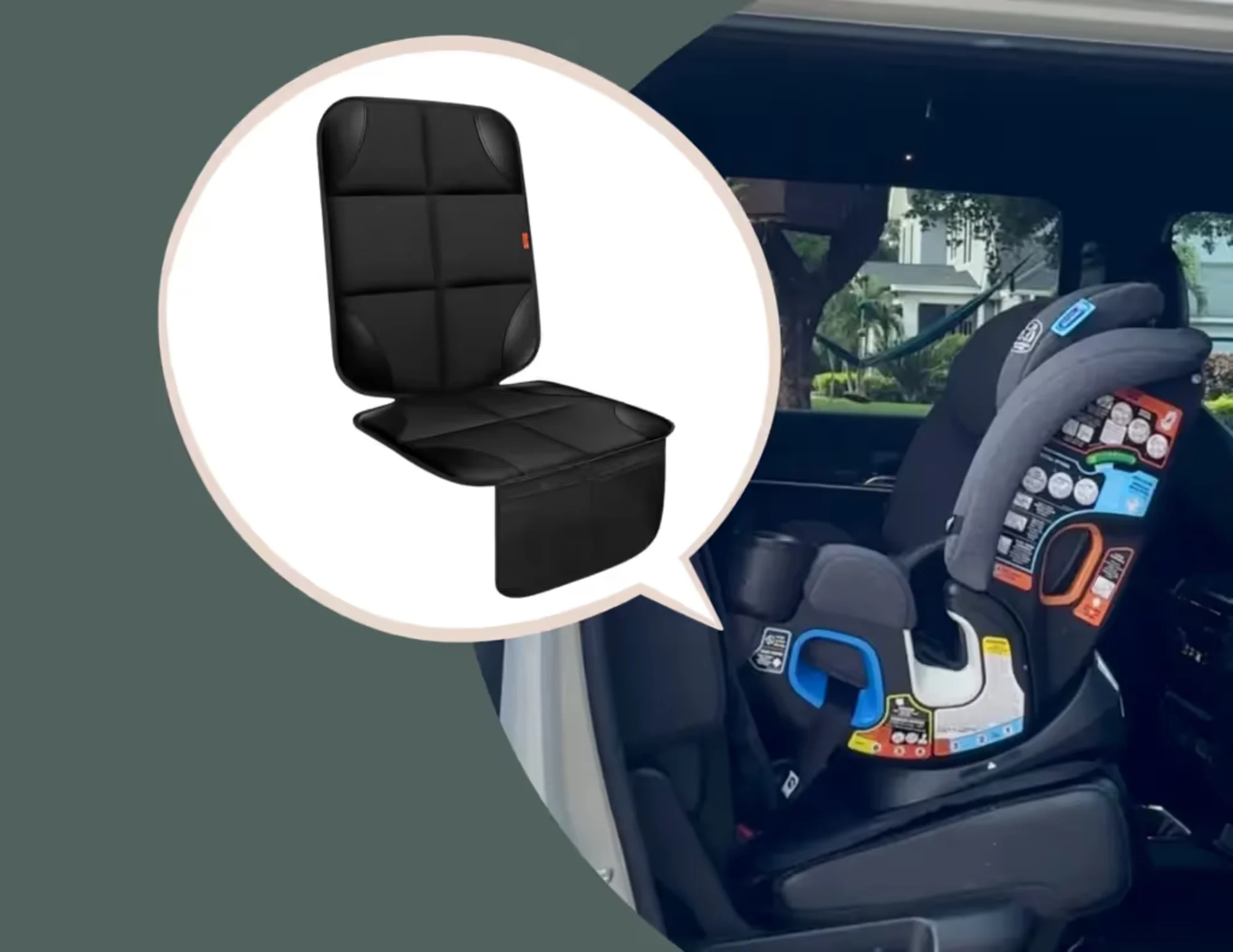
Myth: Child car seats work fine over seat covers.
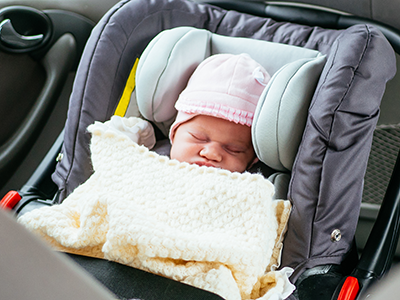
- Fact: Many child seat makers advise against extra padding between the car seat and the vehicle seat unless approved.
Understanding these points makes it easier to answer are car seat covers safe without fear or guesswork.

Quick PAA-style questions (People Also Ask)
Q: Can a seat cover stop an airbag from working?
- A thin, well-designed cover should not stop an airbag. Thick or sealed covers that hide seams can interfere with deployment.
Q: Are universal seat covers unsafe?
- Universal covers can be safe if they fit well and do not block buckles, tethers, or airbag seams. Fit testing is essential.
Q: Do seat covers affect seat sensors?
- Yes. Heavy padding or dense foam can change weight sensor readings and impact airbag logic or seatbelt alerts.
Q: Are leather covers hotter than cloth?
- Leather and faux leather tend to feel hotter in sun. Breathable fabrics or ventilated covers reduce heat buildup.
Q: Can I use seat covers with child car seats?
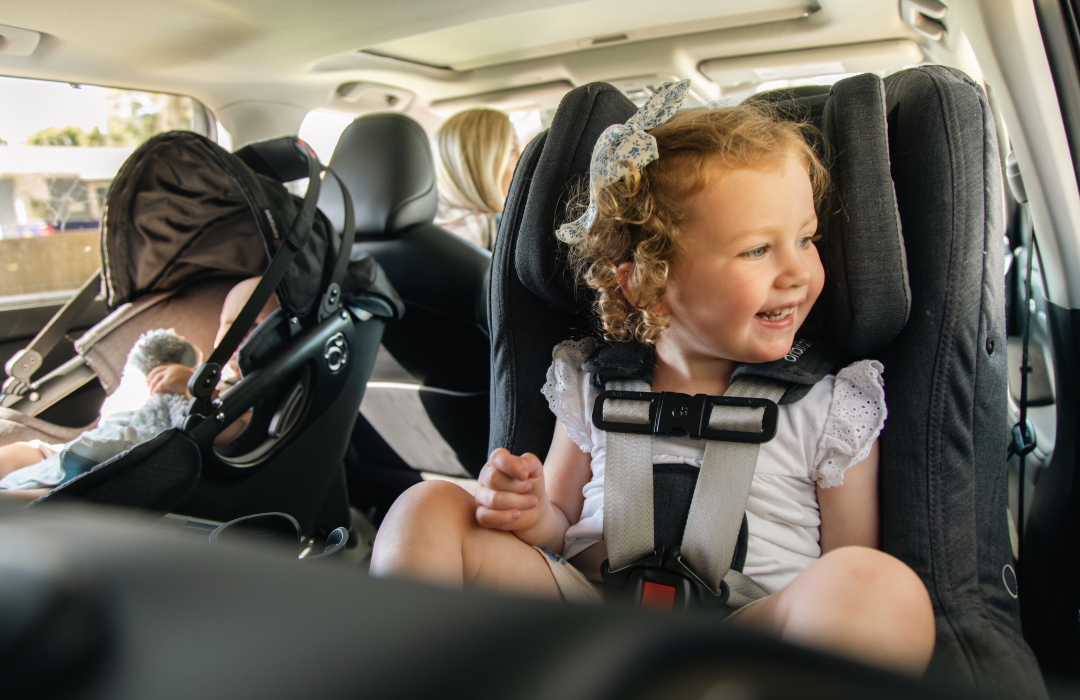
- You should avoid adding extra layers between the child seat and vehicle seat unless the child seat maker approves it. A secure contact is important for restraint performance.
Safety signals and when to stop using a cover
Watch for these red flags. They mean you should remove the cover or get a better one.
- Airbag warnings or seatbelt light stays on after installation.
- Cover shifts, bunches, or affects seating position while driving.
- Buckles, latches, or tether anchors are hard to access.
- The cover rips near seams that align with airbags.
If you see any of these, stop using the cover and test the seat without it. If a warning persists, visit a dealer or mechanic.
Practical buying guide and recommended questions to ask sellers
Ask these when you shop for covers. They help you find safe, compatible options.
- Is this cover airbag compatible for my car model?
- Will this cover allow access to seat anchors and belt buckles?
- What is the material and how does it handle heat and spills?
- Is the cover custom-fit or universal fit?
- What is the return policy if it triggers warning lights or fit issues?
A short phone call or a quick product Q&A can save money and keep you safer. Buying with questions is smart.
Personal lessons and final safety mindset
From years of testing and hands-on installs, my best lessons are simple. Buy quality over cheap. Test immediately after installation. Prioritize fit and access to safety parts. If in doubt, choose a factory or certified option. These steps answer are car seat covers safe with both common sense and proof from real use.
Frequently Asked Questions of are car seat covers safe
Are all car seat covers safe with side airbags?
Most covers are not automatically safe with side airbags. Choose covers labeled airbag compatible or custom-fit options that keep seams clear.
Can seat covers cause the airbag light to turn on?
Yes, if a cover interferes with weight sensors or wiring, it can trigger warning lights. Remove the cover to confirm if it is the cause.
Will a seat cover affect child car seat performance?
Adding padding under a child seat can change how it fits. Avoid extra layers unless the child seat maker approves them.
Are neoprene seat covers safe?
Neoprene can be safe if it fits well and is airbag compatible. Watch for thickness that may affect sensors.
How often should I replace seat covers for safety?
Replace covers when they show wear near seams, fasteners, or airbag areas. Annual inspection is a good habit.
Can I install seat covers myself safely?
Yes, you can install them safely if you follow instructions and test for fit. If a cover blocks features or triggers warnings, seek professional help.
Conclusion
Good seat covers can be safe. The key is fit, material, and respect for airbags, sensors, and anchors. Test covers right after install. Choose custom-fit or certified products when possible. Keep covers clean and inspect them often to avoid surprises. Take action: check your current covers, run the quick fit tests from this guide, and replace any cover that shifts, blocks, or triggers warnings. Share your experiences below or subscribe for more practical car safety tips.