Are Infant Car Seat Covers Safe: Expert Safety Guide
Infant car seat covers can be safe when they never block the harness, airways, or vehicle heat.
As a child-safety advocate and parent who has installed dozens of seats, I understand the worry behind are infant car seat covers safe. This article explains how these covers work, the real risks, and clear steps to use them safely. You’ll get practical tips, buying advice, and honest personal experience so you can decide with confidence whether an infant car seat cover is right for your baby.

How infant car seat covers work and why parents use them
Parents buy seat covers for warmth, privacy, sun protection, and to reduce noise or light for sleeping babies. Most covers are fabric shells, knitted wraps, or canopy attachments that fit over the carrier or clip to the handle. The main idea is to keep the infant warm and comfortable without removing the child from the seat.
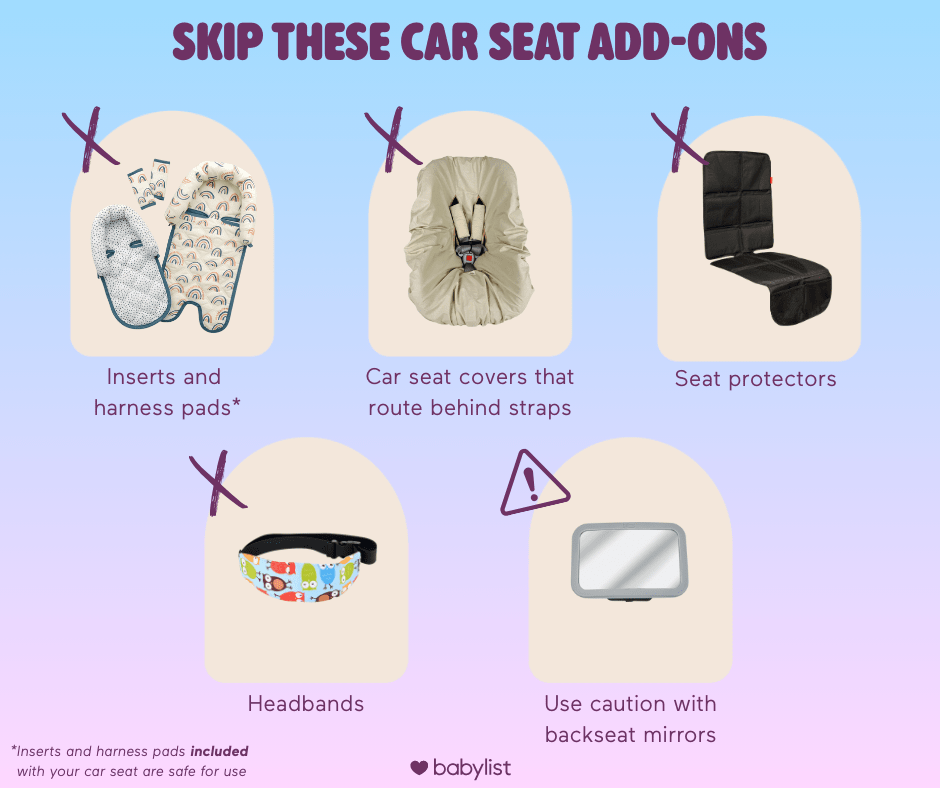
When people ask are infant car seat covers safe, the heart of the answer is how the cover affects the harness, airflow, and seat fit. Covers that sit outside the harness and do not add bulk under the baby usually pose less risk. Covers that tuck between a baby and the harness or change harness fit create danger.
Source: babylist.com
Risks and safety concerns to know
Safety risks come from predictable ways covers interfere with protection. Here are the main concerns in simple terms.
- Obstructing airflow and increasing overheating risk. A tight, insulated cover can trap heat and raise a baby’s temperature.
- Interfering with harness fit. Thick blankets or inserts that sit under straps reduce the harness’ effectiveness in a crash.
- Blocking the harness or buckles. If a cover hides or tucks the buckle, caregivers may not secure the child correctly.
- Creating false sense of security. Some covers claim to be “car-seat safe” but actually alter how the seat holds the baby.
- Limiting caregiver visibility. Full enclosures make it hard to check the baby quickly.
Real-world note: I once saw a parent tuck a fleece blanket between a newborn and the harness before closing the buckles. The straps looked snug but the pad made the straps sit away from the baby. That small change would have increased movement in a crash. That taught me to always check strap contact points and avoid anything between the child and harness.

Source: milksnob.com
Types of car seat covers and when each is appropriate
Understanding types helps answer are infant car seat covers safe for your needs.
- Canopy-style covers
- Description: Cloth or mesh that attaches to the handle and creates shade.
- Use: Good for sun and light wind. Choose breathable fabric and leave openings.
- Fitted outer covers
- Description: Fabric shells that slip over the carrier exterior.
- Use: Generally safe when they do not alter the harness or add padding under the baby.
- Universal wrap blankets
- Description: Large fabric wraps that cover the baby and seat from the outside.
- Use: Use with caution; ensure they don’t hide straps or tuck under baby.
- Insert-style products
– Description: Cushions or thicker pads placed beside or under baby.- Use: Often risky. Many inserts change harness fit and are not recommended unless the seat maker approves.
- Winter footmuffs and bunting bags
- Description: Insulated pouches that the baby sits inside.
- Use: Dangerous if used under harness. Safer when placed over a properly buckled baby, but check seat maker guidance.
When considering are infant car seat covers safe, prefer canopy-style and thin, exterior-only fitted covers that never sit between the child and harness straps.

Source: amazon.com
Safe use: step-by-step rules to follow
Follow these clear steps to make car seat covers safer in daily use.
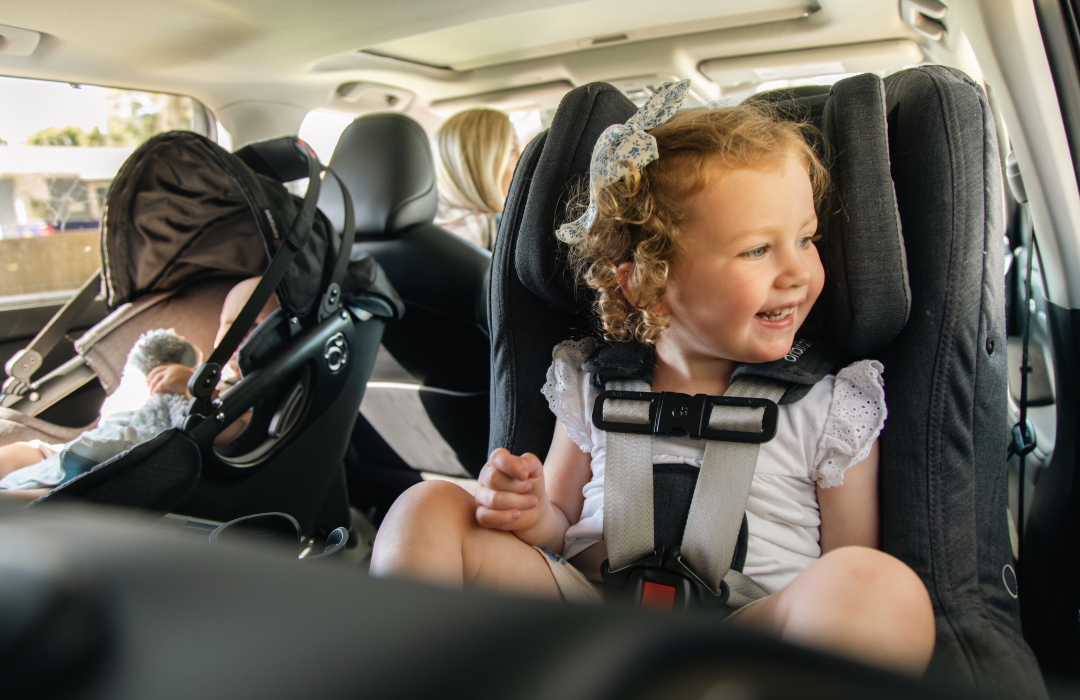
- Always use the harness against the baby’s body.
- Ensure straps lie flat and tight on the torso.
- Never put padding, blankets, or covers between the baby and harness.
- If extra warmth is needed, dress the baby in thin layers, then place the harness on top.
- Use covers designed to stay outside the harness path.
- Test by buckling and checking that straps contact the baby at collarbone level.
- Avoid fully enclosing canopies while driving.
- Leave openings for airflow and frequent checks.
- Remove insulated items that might interfere before driving into a garage or stopping the car.
- Car interiors can heat quickly.
- Follow the car seat manufacturer’s guidance.
- If the manual says no aftermarket products, do not use them.
Quick PAA-style questions with short answers:
- Can I use a car seat cover in winter? Use thin layers under the harness and a cover over the buckled baby, not under straps.
- Will a canopy stop SIDS risk? No. Canopies do not reduce SIDS and can increase overheating risk if closed tight.
- Are all listed accessories unsafe? No. Accessories that do not alter harness fit and are approved by the seat maker are safer.
Source: orbitbaby.com
Buying guide and installation tips
When shopping, look for these simple signals of a safer product.
- Choose covers that state they are compatible with infant car seats and do not alter harness fit.
- Prefer breathable fabrics like cotton or mesh for canopies.
- Avoid bulky or padded inserts unless the car seat manufacturer provides them.
- Check for easy removal and washing. Dirt and moisture can affect materials over time.
- Read user reviews focused on safety, not just style.
Installation checklist:
- Buckle your baby first, then place any outer cover over the buckled baby.
- Verify harness contact at the collarbone and chest clip at armpit level.
- Take a photo of the setup for quick review before every trip.
- Re-check after the first short drive to ensure nothing shifted.
From experience, the simplest covers are the best. I once tried a fancy padded carry cover. It looked warm but added invisible bulk. After measuring strap placement, I stopped using it and switched to a thin, certified canopy.

Source: amazon.com
Regulations, testing, and expert guidance
Regulatory bodies and safety experts focus on how an accessory changes crash performance, harness fit, and heat retention. Many car seat makers test specific accessories with their seats and publish lists of approved or disallowed products. Independent testing looks at how accessories affect strap load and head movement in crash scenarios.
Key points to remember about are infant car seat covers safe and standards:
- No universal standard covers every aftermarket product.
- Manufacturer approval matters more than marketing claims.
- Research shows that items placed between child and harness increase movement during simulated crashes.
If you need certainty, choose products tested or sold by seat manufacturers or recommended by independent child-safety reviewers.

Source: milksnob.com
Alternatives to car seat covers
If you worry about are infant car seat covers safe, try these alternatives for warmth and comfort.
- Use a wearable blanket or infant suit that fits under the harness.
- Pre-warm the car before placing the baby inside.
- Use stroller or carrier cover only when off the road, and switch to car mode for transport.
- Use a thin receiving blanket tucked over the legs and under straps only at the shoulder line, never under the harness.
These options keep the harness effective while maintaining comfort.

Source: amazon.com
Frequently Asked Questions of are infant car seat covers safe
Are infant car seat covers safe to use in cold weather?
They can be if the cover stays outside the harness and you dress the baby in thin layers beneath the straps. Avoid bulky items under the harness that change strap fit.
Can a car seat cover cause overheating?
Yes. Tight, insulated covers can trap heat and raise a baby’s temperature, which is why breathing fabric and openings are important.
Is a manufacturer-approved cover always safe?
Manufacturer approval improves safety odds because the product was tested with that seat, but you should still confirm harness fit and follow instructions.
Can I use a blanket over a buckled infant?
You can place a blanket over a buckled infant, but it must be placed after the harness is fastened and must not be tucked under the straps.
What if an accessory sits between the baby and harness?
Do not use it. Anything between the baby and harness can reduce the car seat’s ability to restrain the child in a crash.
Conclusion
Understanding are infant car seat covers safe comes down to three clear ideas: keep the harness tight against the baby, avoid placing anything between the baby and the straps, and follow the car seat maker’s guidance. Use canopy-style or exterior-only covers when needed, dress babies in thin layers, and check harness contact every trip.
Try small changes first and prioritize products tested for safety. If this helped you, share your experience, subscribe for more child-safety tips, or leave a comment with questions — I’d love to help you choose the safest option for your family.