How to Install Car Seat Covers With Hooks: Easy Step-by-Step Guide
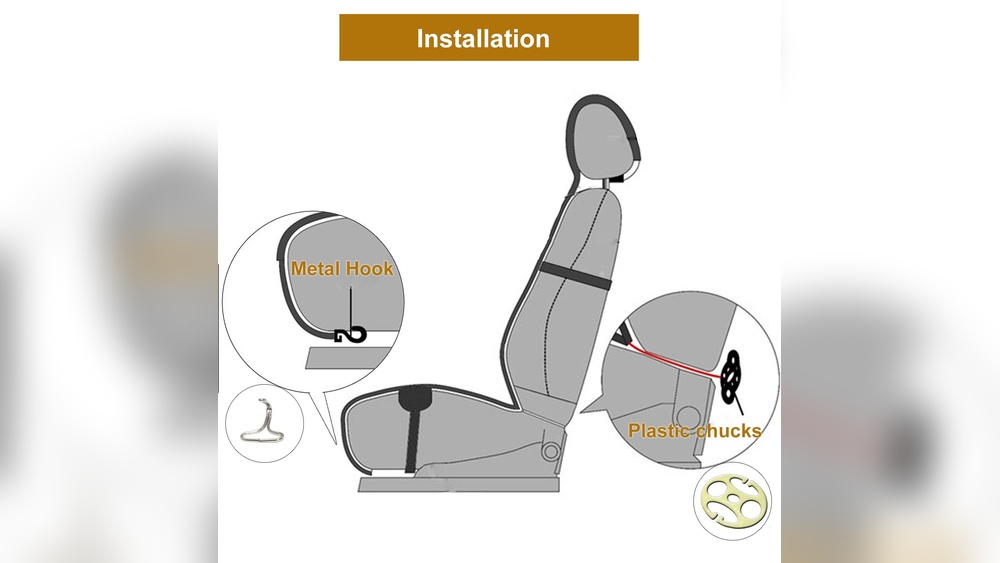
If you want to protect your car seats and give your vehicle’s interior a fresh look, installing car seat covers with hooks is a smart choice. But you might be wondering, how do you get these covers to fit snugly without slipping or bunching up?
That’s where the hooks come in—they’re designed to keep your seat covers tight and secure, making sure they stay in place no matter how much you drive. In this guide, you’ll learn simple, clear steps to install car seat covers with hooks quickly and easily.
By the end, your seats will look neat, feel comfortable, and stay protected for the long haul. Keep reading to discover the best tricks that will make the whole process hassle-free and effective.
Preparation
Start by cleaning your car seats to ensure the covers fit well. Gather all hooks and tools before beginning installation. Check that hooks are the right size for your seat covers.
Preparing your car seats properly makes installing seat covers easier.
Start with a clean and clear surface for the covers to fit well.
Clean Car Seats
Remove dirt, dust, and crumbs from the seats.
Use a vacuum cleaner to pick up loose debris.
Wipe the seats with a damp cloth to remove stains.
Let the seats dry completely before installing the covers.
Remove Headrests
Take off the headrests carefully to install covers correctly.
Press the release button or lever to unlock each headrest.
Lift the headrests straight up and out of the seat.
Keep the headrests safe to reattach after installation.

Credit: www.familyhandyman.com
Positioning The Cover
Positioning the car seat cover correctly is key for a neat look and long-lasting protection. This step ensures the cover fits well and stays in place during use. Take your time to adjust the cover carefully before securing the hooks.
Align Seams With Seat Edges
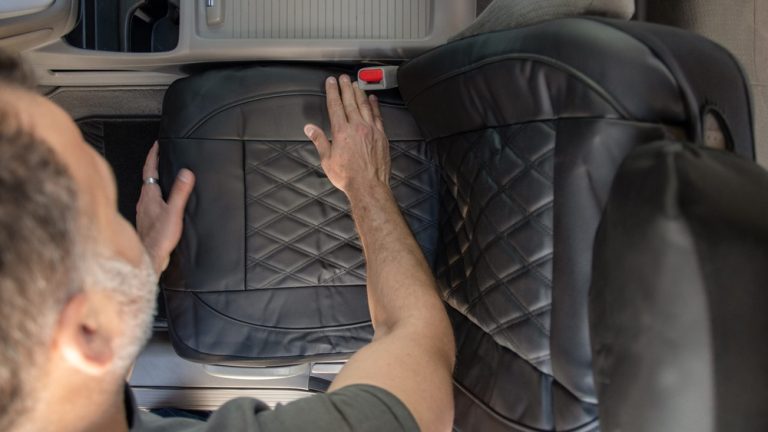
Start by placing the cover over the seat. Match the seams of the cover with the edges of the seat. This alignment helps the cover fit tightly and look smooth. Check all sides to confirm the seams line up properly.
Smooth Out Wrinkles
Next, smooth the cover by hand to remove wrinkles. Pull gently to stretch the fabric over the seat. Wrinkles can cause discomfort and wear out the cover faster. Make sure the cover lies flat and snug against the seat surface.
Securing With Hooks
Securing your car seat covers with hooks keeps them tight and in place. Hooks prevent slipping and wrinkling, giving a neat look. This section guides you through securing seat covers using hooks. Follow each step carefully for a perfect fit.
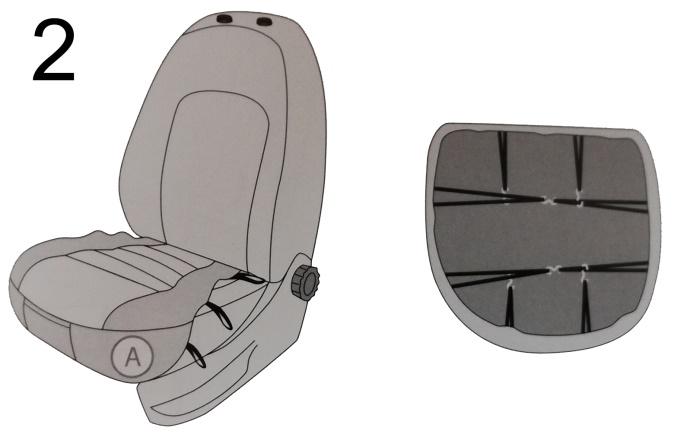
Locate Straps With Hooks
First, find the straps with hooks attached to your seat cover. These straps usually hang from the bottom or sides. Identify each hook clearly before installation. This step ensures you use all hooks properly for a firm hold.
Thread Hooks Through Seat Gap
Next, insert the hooks through the gap between the seat back and seat bottom. This space is narrow but strong enough to hold hooks securely. Gently push the hook through without damaging the seat or cover fabric. Thread all hooks through this gap to prepare for attachment.
Attach Hooks To Seat Frame Or Loops
Finally, connect each hook to the seat frame or attached loops under the seat. Secure hooks tightly to avoid any movement. Check all hooks one by one and adjust as needed. Proper attachment keeps the cover snug and stable during driving.
Credit: www.cover-company.com
Adjusting Fit
Adjusting the fit of car seat covers with hooks ensures comfort and protection. A well-fitted cover stays in place and looks neat. It prevents slipping and protects your seats from damage. Proper adjustment improves safety by avoiding loose fabric that might interfere with seat operation.
Ensure Tight Fit
Start by pulling the cover snug over the seat. Attach the hooks under the seat firmly. Check all sides to avoid loose areas. Tighten the hooks if the cover feels slack. A tight fit stops the cover from shifting during drives. This step keeps the seat cover smooth and secure.
Tuck Fabric Into Seat Crevices
Push the extra fabric into the gaps between seat parts. Use your fingers to tuck it deep inside. This hides excess material and prevents bunching. Tucking fabric creates a cleaner look and better hold. Secure the tucked fabric with hooks or straps if available. This step finishes the fit and holds the cover tight.
Reattaching Headrests
Reattaching the headrests is a key step after fitting car seat covers with hooks. The headrests provide comfort and safety. Proper reattachment ensures the covers fit well and stay secure. Handle the headrests gently to avoid damage. Follow these steps for a smooth process.
Insert Headrests Through Cover Openings
Locate the openings on the seat cover for the headrest posts. Align the headrest posts with these openings carefully. Push the posts through the holes slowly. Make sure the cover does not tear or stretch too much. The headrest should slide through smoothly. Check that the cover sits flat around the headrest base.
Lock Headrests In Place
Once the headrest posts are through the cover, lower the headrest into its original slots. Press down firmly until you hear a click or feel it lock. Test the headrest by pulling it up gently to ensure it is secure. Adjust the headrest height as needed. Confirm the seat cover remains tight and neat around the headrest area. Secure headrests keep the seat covers from shifting during driving.
Tips For Secure Installation
Installing car seat covers with hooks needs care for a tight fit. Secure installation keeps covers in place and protects your seats well. Follow these tips to make sure the covers stay put without slipping or bunching.
Properly fixed seat covers look neat and last longer. They also keep your driving safe by not distracting you with loose material. Use simple checks and extra hooks for the best results.
Check For Movement
After hooking the seat cover, sit and move around. Notice any shifting or slipping in the cover. If it moves easily, it needs better securing. Tighten the hooks or adjust the cover’s position until it feels firm. Repeat this test several times to be sure.
Use Additional Hooks If Needed
Some covers come with extra hooks, but not always enough. Add more hooks to weak spots or large seats. Attach hooks under the seat or between creases to hold the cover tight. Extra hooks stop the cover from sliding off or wrinkling during use.
Common Hook Types
Car seat covers often use hooks to keep them tight and secure. These hooks stop the covers from slipping or bunching up during drives. Different hook types fit different car models and cover styles. Understanding common hook types helps you install seat covers correctly and easily.
S-hooks
S-hooks look like the letter “S.” They connect the seat cover fabric to the seat frame or other hooks. These hooks are strong and easy to attach. You just slide one end into the cover’s loop and hook the other end under the seat. S-hooks keep the cover tight and prevent movement.
Adhesive Hooks
Adhesive hooks stick to the underside of the seat or other flat surfaces. They have sticky backs that hold well on plastic or metal. These hooks don’t need any tools or drilling. Attach the hook firmly, wait a few minutes, then hook the cover loops. Adhesive hooks help in cars without many frame gaps.
Hanging Hooks
Hanging hooks hang over parts of the car seat, like headrests or seat bars. They usually have a curved shape to grip securely. These hooks are simple to use and remove. Hanging hooks keep seat covers in place without damaging the car. They work well on most seat designs.
Troubleshooting Fit Issues
Installing car seat covers with hooks can be tricky. Sometimes, the fit is not perfect right away. Troubleshooting fit issues helps you fix common problems fast. It ensures your seat cover stays tight and secure. Use these tips to adjust the fit and get a smooth look.
Cover Too Loose
A loose cover looks messy and can slip during driving. Pull the cover tighter by adjusting the hooks under the seat. Check that all hooks are fastened firmly to the seat frame. Use extra hooks if your cover allows it for better hold. Smooth out wrinkles by stretching the fabric evenly across the seat.
Cover Too Tight
A cover that is too tight can tear or wear out quickly. Loosen the cover slightly by unhooking and rehooking it with less tension. Avoid pulling hooks too hard; the cover should fit comfortably without strain. Let the fabric relax for a few minutes before final adjustments. If needed, try a larger size cover for your seat.
Hook Placement Problems
Hooks placed incorrectly cause poor fit and movement. Identify strong anchor points under the seat to secure hooks properly. Avoid hooking onto fragile or moving parts that may break or loosen. Use S-hooks or adhesive hooks as recommended for your car model. Check each hook’s position after installation and adjust if the cover shifts.

Credit: carsilks.com
Frequently Asked Questions
How To Install Car Seat Cover Hooks?
Remove headrests and place the cover, aligning seams. Tuck fabric into seat gaps. Hook straps onto the seat frame or loops. Tighten for a snug fit. Reattach headrests and adjust for smoothness.
What Are The Hooks For On Seat Covers?
Hooks on seat covers secure the cover tightly to the seat frame or loops. They prevent slipping and maintain a neat appearance.
Is It Better To Install A Car Seat With Anchors Or Seat Belts?
Using anchors (LATCH system) is generally better because it offers easier, more secure installation. Seat belts work too but risk installation errors.
How To Use The Anchors On A Car Seat?
Locate the car seat anchors, attach the car seat’s hooks or connectors firmly to them. Tighten straps to secure the seat. Ensure the seat moves less than an inch side-to-side or forward. Double-check all attachments for safety before use.
Conclusion
Installing car seat covers with hooks is simple and effective. Start by removing the headrests for easy access. Position the cover carefully to fit your seat shape. Secure the hooks tightly to keep the cover in place. Check that the cover fits snugly without wrinkles or loose areas.
This method prevents slipping and protects your seats well. Regular adjustments keep your covers looking fresh longer. Enjoy a neat and clean car interior with minimal effort. This quick process suits most vehicles and helps maintain seat quality.