How to Inflate Tires Car: Easy Steps for Safe, Quick Inflation
Your car’s tires play a huge role in how smoothly and safely you drive. But did you know that keeping them properly inflated can save you money on fuel and extend the life of your tires?
If you’re unsure how to inflate your car tires or want to make sure you’re doing it right, you’re in the right place. This simple guide breaks down exactly what you need to do—step by step—so you can feel confident the next time you’re at a gas station or using your own air compressor.
Keep reading, and you’ll discover how easy it is to keep your tires in perfect shape, protect your investment, and enjoy a safer ride every time you get behind the wheel.
Check Tire Pressure Specs
Checking your tire pressure specs is the first step to properly inflating your car tires. Tires need the right air pressure to work well and keep you safe. Overinflated or underinflated tires can cause uneven wear and affect driving. Knowing the exact pressure helps you fill tires correctly and extend their life.
Every car has a recommended tire pressure. This number shows the ideal pounds per square inch (PSI) for your tires. It is important to use this number to avoid problems and keep your ride smooth.
Locate Psi Sticker
Find the PSI sticker inside your car’s driver door jamb. Open the door and look on the frame or edge of the door. The sticker shows the recommended tire pressure for your front and rear tires. It also lists the size of the tires your car needs.
This sticker is the best source for accurate tire pressure. Avoid using the number on the tire sidewall. That number shows the maximum pressure, not the recommended pressure for your car.
Understand Recommended Pressure
The recommended pressure is the right air level for your tires. It helps tires last longer and saves fuel. The number is listed in PSI. It may differ for front and rear tires.
Check this number before inflating your tires. Use a tire pressure gauge to measure the air pressure. Fill air until you reach the recommended PSI. Do this when tires are cold for the best reading.
Prepare Your Car
Preparing your car is the first step to safely inflate your tires. Proper preparation ensures accurate tire pressure and prevents damage. Follow simple steps before using an air pump.
Check your car’s recommended tire pressure on the sticker inside the driver’s door. This number tells you how much air each tire needs. Keep this information handy for easy reference.
Park Near Air Pump
Find a spot close to the air pump. Position your car so the air hose reaches all tires easily. This saves time and avoids stretching the hose too far. Turn off your engine before starting.
Ensure Tires Are Cool
Check and inflate tires when they are cool. Heat from driving increases tire pressure temporarily. Cool tires give a true reading. Wait at least three hours after driving before inflating.
Gather Tools
Before inflating your car tires, gather the right tools. Having proper tools makes the task easier and safer. It ensures you get the correct tire pressure. This helps your car run smoothly and saves fuel.
Get A Tire Pressure Gauge
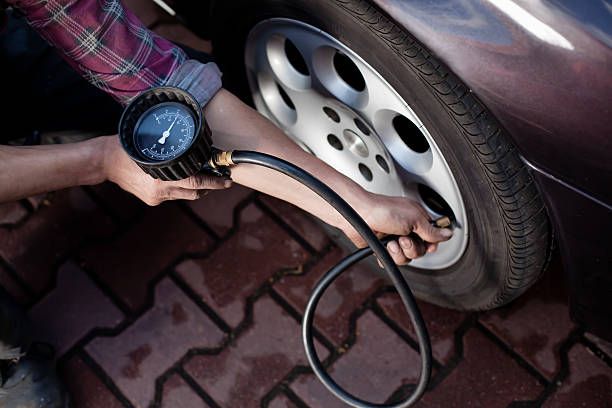
A tire pressure gauge measures the air pressure inside your tire. It helps you know when your tires need more air. Choose a gauge that is easy to read. Digital gauges offer clear numbers and quick readings. Keep the gauge handy for regular tire checks.
Use Reliable Air Pump
Use an air pump that works well and is easy to handle. Many gas stations have built-in air pumps. Portable air compressors are good for home use. Make sure the pump fits your tire valve properly. A reliable pump fills tires quickly and accurately.

Credit: www.acg.aaa.com
Remove Valve Caps
Removing valve caps is a simple but important step before inflating your car tires. Valve caps protect the valve stem from dirt and moisture. Dirt can block the valve and stop air from entering the tire properly. Moisture can cause corrosion, which may damage the valve over time.
Take off the valve cap carefully by twisting it counterclockwise. Keep the cap in a safe place so you don’t lose it. You will need to put it back on after inflating the tire. Missing valve caps can lead to slow air leaks and tire pressure problems.
Locate The Valve Stem
The valve stem sticks out from the tire’s rim. It looks like a small metal or rubber tube. Find it on each tire before you start inflating. This is where you will remove the valve cap.
Unscrew The Valve Cap
Hold the valve stem with one hand. Use your other hand to turn the cap counterclockwise. It should come off easily. If it is tight, try using a cloth for better grip.
Store The Valve Cap Safely
Place the valve cap somewhere safe like your pocket or a small container. Avoid putting it on the ground or losing it. You will need to screw it back on after adding air to the tire.
Attach Air Nozzle
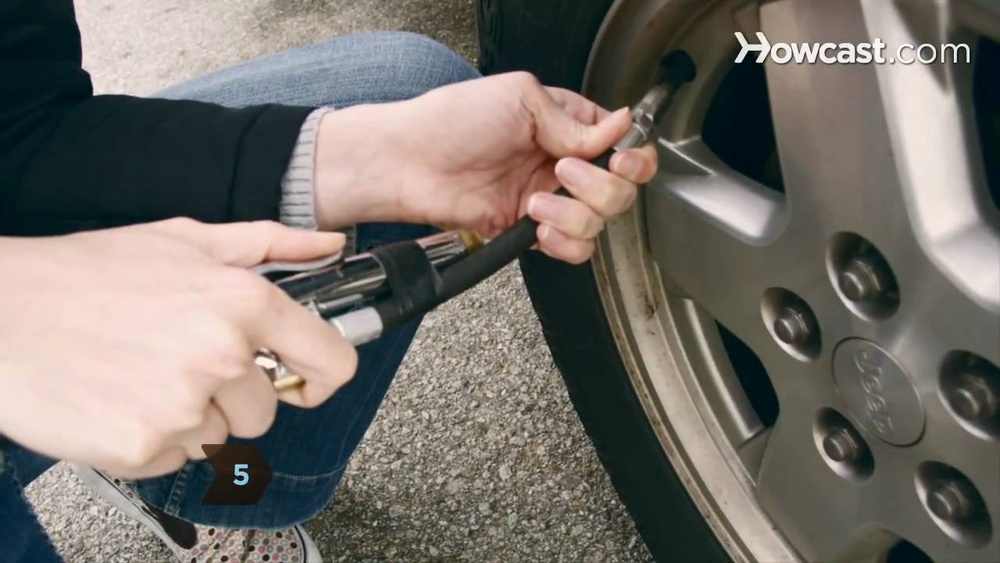
Attaching the air nozzle correctly is key to inflating your car tires safely and efficiently. This step creates a tight connection between the air pump and your tire’s valve stem. A secure fit helps air flow smoothly into the tire. It also prevents air leaks that can affect tire pressure and inflation time.
Use steady pressure when you attach the nozzle. Avoid forcing or twisting it too hard. Proper attachment ensures the air goes straight into the tire without escaping. This step is simple but important for maintaining the right tire pressure and safe driving.
Seal Nozzle On Valve Stem
Place the air nozzle firmly on the tire’s valve stem. The valve stem is the small rubber or metal tube sticking out of the tire. Press the nozzle down until it fits snugly around the stem. Some nozzles have a lever to lock them in place. Flip the lever to seal the nozzle securely. A tight seal keeps air from leaking out during inflation.
Double-check the nozzle position. It should not wobble or slide off easily. A loose nozzle wastes air and slows the process. Make sure it stays sealed before you start pumping air.
Listen For Air Leaks
After attaching the nozzle, listen closely for any hissing sounds. Hissing means air is escaping. If you hear air leaks, reposition the nozzle and press it tighter. Check if the lever is fully locked if your nozzle has one. Air leaks reduce the amount of air going into your tire.
Fix leaks quickly to avoid underinflated tires. Properly sealed nozzles help you reach the correct pressure faster. Always listen for leaks as a quick way to confirm the nozzle is attached correctly.
Inflate Tires
Inflating tires is a simple task that helps keep your car safe and fuel-efficient. Proper tire pressure improves driving comfort and extends tire life. Using the right tools and following correct steps ensures the job is done right.
Add Air In Short Bursts
Press the air nozzle onto the valve stem firmly. Squeeze the trigger in short bursts of air. Avoid adding too much air at once. This method prevents overinflation and gives you control. Check the pressure between bursts for accuracy.
Monitor Pressure Regularly
Use a tire pressure gauge to check the PSI often. Compare the reading to the recommended pressure on your car’s sticker. Adjust the air if needed to reach the correct level. Monitoring pressure regularly keeps tires safe and efficient. Check pressure before long trips or monthly for best results.
Adjust Air Pressure
Adjusting the air pressure in your car tires is essential for safe driving. Proper pressure improves tire life and fuel efficiency. It also ensures a smooth ride and better control on the road. Use a reliable tire pressure gauge to get accurate readings. The goal is to reach the pressure recommended by your car manufacturer. This number is usually on a sticker inside the driver’s door. Follow these steps carefully to adjust the air pressure.
Release Excess Air
If the tire pressure is too high, you must release some air. Press the small metal pin inside the valve stem gently. Use a tool like a small screwdriver or the back of the tire gauge. Let the air escape slowly and check the pressure often. Do not release too much air at once. Stop releasing air when the pressure is close to the recommended level. This step helps avoid overinflation, which can cause uneven tire wear.
Recheck Pressure
After adjusting, always recheck the tire pressure. Use your tire pressure gauge to get a fresh reading. Check the pressure at least twice to be sure. If the pressure is still off, adjust again by adding or releasing air. Correct tire pressure keeps your car safe and saves money on fuel. Make it a habit to check tire pressure regularly for best results.
Replace Valve Caps
Replacing valve caps is a small step that protects your tires. Valve caps keep dirt, dust, and moisture out of the valve stem. This helps prevent air leaks and keeps your tire pressure stable. Missing or damaged caps can lead to slow air loss and tire damage.
Always replace valve caps after inflating your tires. Use caps that fit tightly to avoid losing them while driving. Plastic caps are common, but metal ones offer better durability. Check caps regularly for cracks or wear and replace as needed.
Why Valve Caps Matter
Valve caps block dirt and moisture from entering the valve. This prevents corrosion and damage. A clean valve stem helps maintain proper tire pressure. Proper pressure improves safety and fuel efficiency.
How To Replace Valve Caps
After inflating your tire, screw the valve cap back on. Turn it clockwise until snug. Do not overtighten; it can damage the valve. Keep the caps in a safe place if you remove them during inflation.
Choosing The Right Valve Caps
Select valve caps that fit your tire valves well. Standard plastic caps work for most cars. Metal caps offer stronger protection. Some caps have built-in seals for extra air-tightness.
Repeat For All Tires
Inflating one tire is not enough. Each tire needs the correct air pressure for safe driving.
Repeat the inflation process for all tires. This ensures even pressure and better car handling.
Check Each Tire’s Pressure
Remove the valve cap from the next tire. Use the pressure gauge to check its current PSI.
Compare the reading to the recommended PSI on your car’s door sticker. This helps avoid over or under inflation.
Inflate The Tire
Attach the air pump nozzle firmly to the valve stem. Press the trigger in short bursts.
Stop often to check the pressure. Inflate slowly to avoid putting in too much air.
Replace The Valve Cap
After reaching the right pressure, screw the valve cap back on. This keeps dirt and moisture out.
Make sure the cap is tight but do not overtighten. A loose cap can cause slow leaks.
Move To The Next Tire
Repeat the steps for the remaining tires. Check, inflate, and cap each tire carefully.
Do not forget the spare tire. It also needs proper inflation for emergencies.
Tips For Accurate Inflation
Accurate tire inflation is essential for safe driving and tire longevity. Proper pressure improves fuel efficiency and handling. Follow these simple tips to ensure your tires have the right air pressure every time.
Use Your Own Gauge
Rely on your own tire pressure gauge for accuracy. Gas station gauges can be faulty or inconsistent. Carry a small, reliable gauge in your glove box. Check tire pressure before and after inflating. This helps avoid over- or under-inflation.
Check Tires When Cold
Measure tire pressure when tires are cold. Heat from driving increases air pressure inside tires. Checking after driving can give false high readings. Wait at least three hours after driving or check first thing in the morning. Cold tires show true pressure for best inflation.
Avoid Overinflation
Do not inflate tires beyond the recommended pressure. Overinflated tires can cause a harsh ride and uneven wear. They also increase the risk of tire damage from road debris. Always follow the PSI number on your car’s door sticker. Keep pressure within the safe range for best performance.
Common Mistakes To Avoid
Inflating car tires seems simple but many make basic errors. These mistakes can cause uneven wear or unsafe driving. Avoid these common pitfalls for better tire care and longer tire life.
Ignoring Recommended Psi
Every car has a recommended tire pressure. It is on the sticker inside the driver’s door. Ignoring this number can lead to underinflated or overinflated tires. Both reduce tire performance and safety. Use a gauge to check pressure accurately. Do not guess or rely on the pump’s default setting.
Skipping Tire Checks
Many skip checking tires regularly. Tires lose air over time, even without leaks. Check pressure at least once a month. Also inspect for cuts, cracks, or uneven wear. Skipping checks may cause flat tires or poor fuel economy. Make tire checks part of your routine.
Using Faulty Equipment
Using broken or inaccurate air pumps affects tire inflation. Old or damaged gauges give wrong readings. Faulty nozzles may not fit tire valves properly. Always use reliable equipment. Test your gauge against a known accurate one. At gas stations, choose pumps that look well maintained.
Credit: www.firestonecompleteautocare.com
Frequently Asked Questions
How Do You Inflate Your Tires At A Gas Station?
Check the recommended PSI on your driver’s door sticker. Park near the air pump. Remove the valve cap. Press the air nozzle onto the valve stem. Squeeze the trigger in short bursts. Monitor the pressure until it reaches the correct PSI.
Replace the valve cap. Repeat for all tires.
How To Properly Inflate Your Car Tires?
Check the recommended PSI on the driver’s door sticker. Remove the valve cap. Attach the air nozzle firmly. Inflate while monitoring pressure. Replace the valve cap securely. Repeat for all tires. Inflate tires when cold for accurate pressure.
How To Know What Pressure To Inflate Car Tires To?
Check the recommended tire pressure (PSI) on the driver’s door jamb sticker. Use a pressure gauge to inflate tires to that PSI when they are cool. Avoid overinflation or underinflation for safety and fuel efficiency.
Do You Put Air In Tires When Cold?
Yes, put air in tires when cold for accurate pressure readings. Tire pressure rises as tires warm during driving. Check and inflate tires before driving.
Conclusion
Proper tire inflation keeps your car safe and improves fuel efficiency. Check the recommended PSI before adding air. Always use the air pump carefully and avoid overinflating. Regularly inspect your tires for pressure and condition. This simple task saves money and prevents accidents.
Stay safe on the road by keeping your tires properly inflated.