How to Inflate Car Tires: Easy Steps for Safe, Smooth Driving
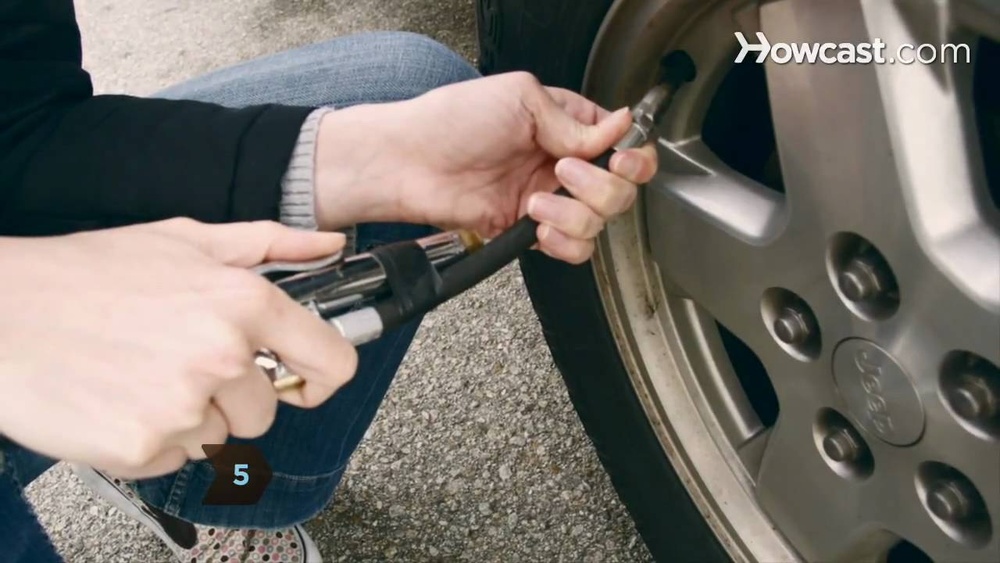
Are your car tires feeling a little low? Driving on underinflated tires can affect your safety, fuel efficiency, and tire life.
But don’t worry—knowing how to inflate your car tires properly is easier than you think. In this guide, you’ll learn simple, step-by-step tips to get your tires pumped up quickly and correctly, whether you’re at a gas station or using a portable inflator.
Ready to save money, improve your ride, and boost your confidence behind the wheel? Keep reading and discover how to keep your tires in perfect shape with just a few easy moves.

Credit: www.acg.aaa.com
Check Recommended Pressure
Checking the recommended tire pressure is an important step before inflating car tires. Proper pressure keeps your car safe and improves fuel efficiency. It also helps your tires last longer. Knowing the right pressure prevents overinflation or underinflation. Both can cause problems on the road.
Start by finding the exact pressure your car needs. This number is measured in PSI, or pounds per square inch. Follow the steps below to locate and understand this value.
Locate Psi Sticker
Look inside the driver’s door frame for a sticker. This sticker shows the recommended tire pressure for your car. It usually lists numbers for front and rear tires. The sticker may also appear inside the fuel door or glove box. Use the PSI values shown here to fill your tires correctly.
Understand Pressure Values
The pressure numbers on the sticker tell you how much air your tires need. For example, it might say 32 PSI for the front and 30 PSI for the rear tires. These numbers are safe levels set by the car maker. Inflating tires to these exact values helps your car perform well. Avoid guessing or using numbers from the tire sidewall, as these show maximum pressure, not recommended pressure.
Prepare Your Car
Preparing your car before inflating the tires is essential for safety and accuracy. Taking simple steps helps you get the right tire pressure. These steps make the inflation process easier and more effective.
Start by positioning your car properly and checking tire conditions. These preparations ensure smooth and safe tire inflation.
Park Near Air Pump
Find an air pump station nearby. Park your car close to the pump so the hose reaches all tires. Avoid parking too far or at an angle. This makes it easier to attach the air nozzle. Turn off the engine for safety before starting.
Ensure Tires Are Cool
Check that your tires are cool before inflating. Heat from driving can raise tire pressure. Inflating hot tires leads to inaccurate pressure readings. Wait at least three hours after driving. Cool tires give the best pressure results for safe driving.
Gather Necessary Tools
Gathering the right tools is the first step to inflate your car tires safely and correctly. Having the proper equipment makes the task easier and ensures accurate tire pressure. This section explains the key tools needed for tire inflation. Prepare these items before you begin.
Air Pump Or Inflator
An air pump or inflator provides the air needed to fill your tires. You can use a manual pump, an electric inflator, or the air compressor at a gas station. Choose a pump that fits your budget and convenience. Make sure the pump nozzle matches your tire valve type. This tool controls how much air goes into your tires.
Tire Pressure Gauge
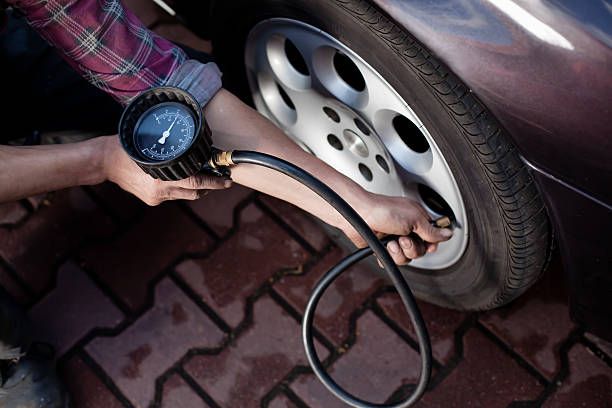
A tire pressure gauge measures the air pressure inside your tires. It helps you avoid overinflation or underinflation. You can find digital or analog gauges at most auto stores. Check the pressure after inflating to match the recommended PSI. Keeping the right pressure improves your car’s safety and fuel efficiency.
Valve Caps
Valve caps protect the tire valves from dirt and moisture. They also prevent air leaks when tightened properly. Always remove valve caps before inflating and screw them back on afterward. Valve caps are small but important tools that keep your tires in good condition.
Remove Valve Caps
Removing valve caps is the first step to inflating car tires. These small caps protect the valve stem from dirt and moisture. They keep the valve working properly and prevent air leaks. Without removing the caps, you cannot access the valve to add air.
Always keep valve caps in a safe place while inflating your tires. Losing them can expose the valve to damage. This can cause slow leaks and reduce tire life.
Locate The Valve Stem
Find the valve stem on your tire. It is a small rubber or metal tube sticking out from the wheel. Usually, it is near the edge of the wheel rim. Check all four tires to locate each valve stem.
Unscrew The Valve Cap
Turn the valve cap counterclockwise to remove it. Use your fingers to twist it off gently. Avoid using tools that might damage the cap or valve. Set the cap aside carefully for later use.
Inspect The Valve Stem
Look at the valve stem for dirt or damage. Wipe it clean with a cloth if needed. A clean valve stem ensures a good seal when inflating the tire. Check for any cracks or leaks around the valve.
Keep Valve Caps Safe
Do not lose the valve caps while inflating. Place them in your pocket or a safe spot nearby. After adding air, screw the caps back on tightly. This protects the valve and keeps your tires properly sealed.
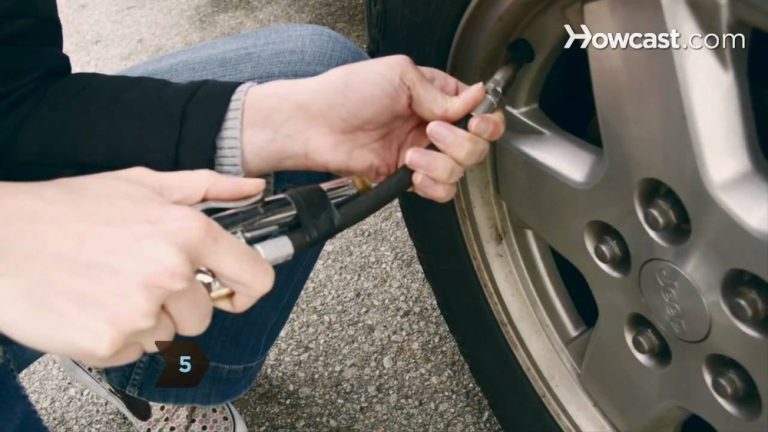
Attach Air Nozzle
Attaching the air nozzle correctly is a key step in inflating your car tires. This ensures air flows smoothly into the tire without escaping. Doing it right saves time and avoids frustration.
Secure Nozzle Firmly
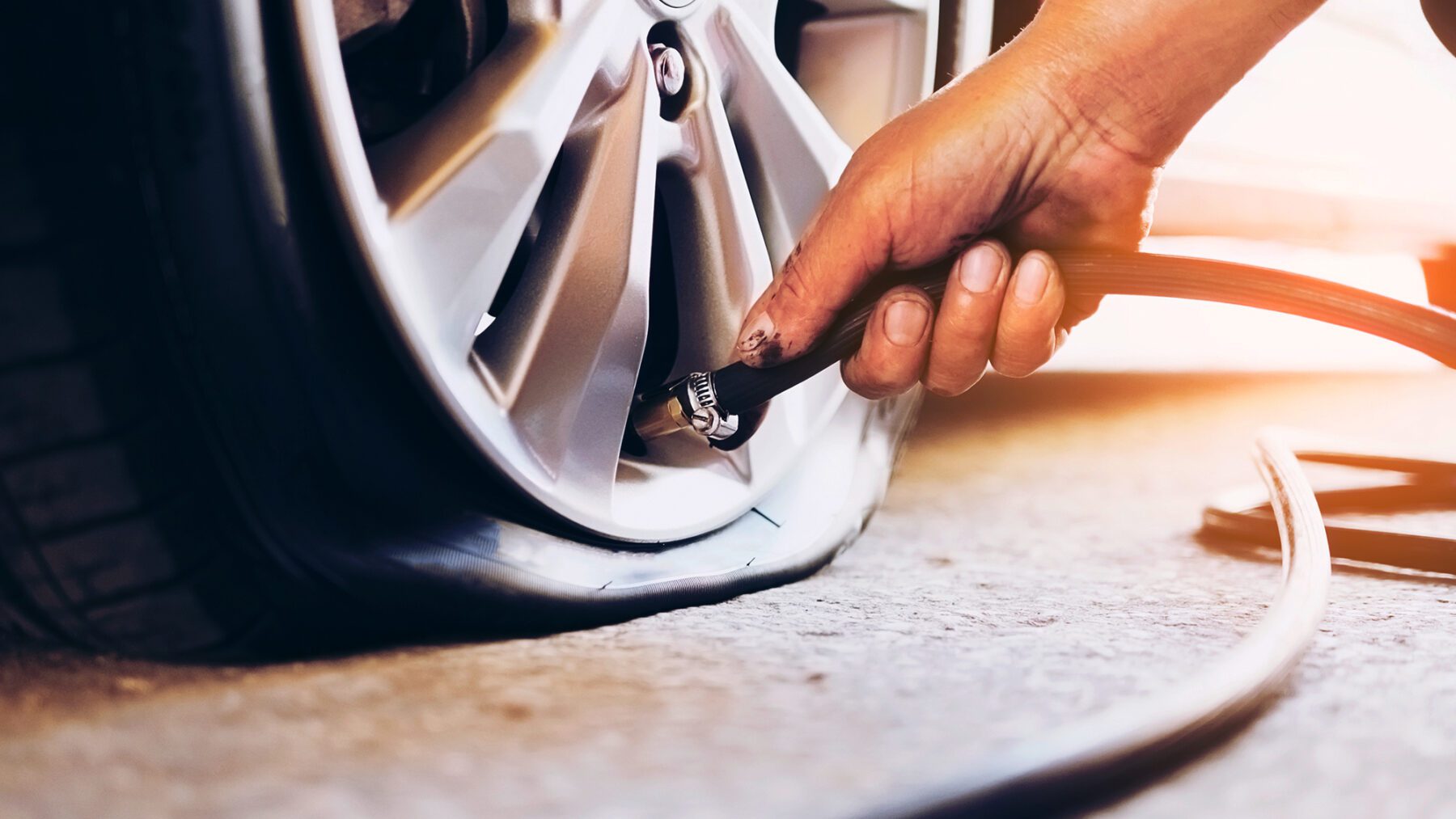
Hold the air nozzle tightly against the tire valve stem. Press it straight and steady to create a solid seal. A loose nozzle lets air escape, making inflation slow and inefficient. Firm pressure prevents hissing sounds and keeps air inside the tire.
Listen For Air Leaks
After attaching the nozzle, listen carefully for any escaping air. A steady hiss means the nozzle is not sealed well. Adjust the nozzle and press harder until the noise stops. No leaks mean the tire will inflate properly and reach the right pressure quickly.
Credit: www.firestonecompleteautocare.com
Inflate Tires
Inflating your car tires keeps them safe and efficient. Proper air pressure improves fuel economy and tire life. Learn simple steps to fill tires correctly.
Check the recommended PSI on the driver’s door sticker. This number tells you how much air your tires need. Use a reliable air pump for best results.
Squeeze Trigger In Bursts
Press the air pump trigger gently in short bursts. This helps control the airflow and prevents overinflation. Pause often to check the tire pressure with a gauge. Small bursts give better control and accuracy.
Use Automatic Pump Settings
Many air pumps have automatic settings for common PSI levels. Select the recommended PSI and start the pump. It stops filling when the tire reaches the set pressure. This method is quick and reduces mistakes.
Monitor Tire Pressure
Monitoring tire pressure is key to keeping your car safe and efficient. Proper pressure helps tires last longer and improves fuel economy. Check your tires often, especially before long trips or when seasons change. This section explains how to monitor tire pressure correctly and keep it at the right level.
Check Gauge Regularly
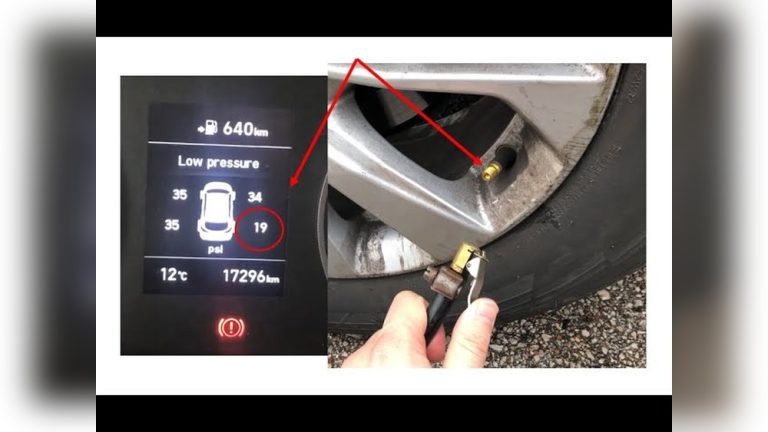
Use a reliable tire pressure gauge to check the air level. Remove the valve cap and press the gauge onto the valve stem. Read the number shown on the gauge carefully. Compare it to the recommended pressure on your car’s sticker. Check each tire, including the spare. Do this at least once a month. Checking often prevents driving on underinflated or overinflated tires.
Adjust Air Levels
Add air if the pressure is below the recommended level. Use an air compressor at a gas station or a portable inflator. Press the air hose nozzle firmly on the valve stem. Add air in short bursts and check the gauge after each burst. Stop adding air when the correct pressure is reached. If the pressure is too high, press the valve stem to release some air. Replace the valve cap tightly after adjusting. Proper air levels improve tire performance and safety.
Release Excess Air
Releasing excess air from your car tires helps keep them at the right pressure. Proper pressure improves tire life and vehicle safety. Overinflated tires can cause uneven wear and reduce grip on the road. Learning how to let out air carefully is important for tire maintenance.
Use simple tools and follow steps to release air safely. This section explains how to do it properly and avoid common mistakes.
Press Valve Stem Pin
Locate the valve stem on your tire. It is a small rubber or metal tube sticking out from the rim. Press the pin inside the valve stem to let air escape. Use a small tool like a key or a valve core remover for easier pressing.
Press gently and listen for the hissing sound of air escaping. Hold the pin down for a short time and then check the tire pressure with a gauge. Repeat if needed until the pressure is at the recommended level.
Avoid Overinflation
Check the recommended pressure on your car’s door sticker or manual. Overinflated tires can lead to rough rides and damage. Do not add too much air after releasing excess air. Use a tire pressure gauge to measure precisely.
Release small amounts of air gradually. Stop releasing air once you reach the correct pressure. Proper inflation ensures better fuel efficiency and safer driving.
Replace Valve Caps
Replacing valve caps is a simple but important step when inflating car tires. Valve caps protect the valve stem from dirt, dust, and moisture. This helps keep the valve working properly and prevents air leaks.
After adding air to your tires, always put the valve caps back on. This seals the valve and keeps it clean. Without valve caps, dirt can enter and cause damage over time.
Valve caps are inexpensive and easy to find. Keeping them on your tires extends the life of your tire valves. It also ensures your tires stay at the correct pressure longer.
Remove Old Or Damaged Valve Caps
Check each tire’s valve cap before inflating. Remove any old or cracked caps carefully. Damaged caps do not protect the valve well. Replace them with new ones to keep the valve safe.
Choose The Right Valve Caps
Buy valve caps that fit your tire valves. Most cars use standard caps, but check to be sure. Some caps have extra features like seals or metal bodies for better protection.
How To Screw On Valve Caps
Place the valve cap on the valve stem. Turn it clockwise gently until tight. Do not overtighten or force it. The cap should sit snugly to prevent air leaks.
Check Valve Caps Regularly
Look at your valve caps during tire maintenance. Replace any missing or loose caps right away. Regular checks prevent dirt and moisture from entering the valve.
Repeat For All Tires
Repeat the inflation steps for each tire to ensure all have the right pressure. Check the pressure after filling each tire for accuracy. This keeps your car safe and improves driving performance.
Inflating one tire is not enough for safe driving. You must check and fill all tires. This keeps your car balanced and extends tire life.
Start with the front left tire, then move to the front right. Next, inflate the rear left tire and finish with the rear right tire. Each tire needs the same care and attention.
Check the pressure with a gauge after adding air to each tire. Adjust as needed until you reach the recommended PSI. Do not forget to screw the valve caps back on securely.
Taking time to repeat this process for all tires improves fuel efficiency and driving comfort. It also reduces the risk of tire damage and blowouts on the road.
Tips For Safe Tire Care
Proper tire care keeps your vehicle safe and running smoothly. Tires with the right pressure improve fuel efficiency and handling. Neglecting tire care can lead to poor performance and accidents. Follow simple tips to maintain your tires and avoid common issues.
Regular checks help you spot problems early. Safe tire care means checking pressure and inspecting tires often. These habits extend tire life and enhance driving safety.
Check Pressure Monthly
Check your tire pressure at least once a month. Use a reliable tire pressure gauge for accuracy. Compare the reading with the recommended PSI on your car’s door sticker. Inflate or deflate tires to match this number. Proper pressure prevents uneven wear and blowouts.
Check pressure when tires are cold for the best reading. Avoid driving for at least three hours before measuring. Keep a portable gauge in your car for quick checks anytime.
Inspect For Damage
Look over your tires regularly for cuts, cracks, or bulges. Damage weakens tires and can cause sudden failure. Remove small stones or debris stuck in the tread. Check the sidewalls for any unusual wear or bubbles.
Replace tires with visible damage or worn tread below 2/32 inch. Damaged tires reduce traction and increase accident risk. A quick visual inspection saves money and keeps you safe on the road.
Credit: heartautocare.com
Frequently Asked Questions
How Do You Inflate Your Tires At A Gas Station?
Check your car’s recommended PSI on the driver’s door. Park by the air pump and remove the valve cap. Press the nozzle firmly on the valve stem, add air in short bursts, and monitor pressure. Replace the cap and repeat for all tires.
How To Inflate Car Tires Correctly?
Check the recommended PSI on your driver’s door sticker. Remove valve caps and press the air nozzle firmly. Inflate in short bursts, checking pressure frequently. Stop when reaching the correct PSI. Replace valve caps securely. Repeat for all tires, preferably when they are cold.
Can I Drive With Low Tire Pressure?
Driving with low tire pressure reduces control, increases tire wear, and raises fuel consumption. Inflate tires promptly to the recommended PSI for safety.
Do You Put Air In Tires When Cold?
Yes, always put air in tires when cold. Cold tires provide accurate pressure readings for safe driving.
Conclusion
Properly inflating your car tires improves safety and fuel efficiency. Always check the recommended PSI before starting. Use the air pump carefully and monitor the pressure. Inflate each tire evenly for a smooth ride. Regular tire maintenance helps your car perform better.
Stay safe on the road by keeping tires at the right pressure. Simple steps can prevent flat tires and costly repairs. Keep a tire gauge handy for quick pressure checks. Taking a few minutes today saves trouble later.