Are Car Seat Covers Safe For Babies: Safety Tips & Risks
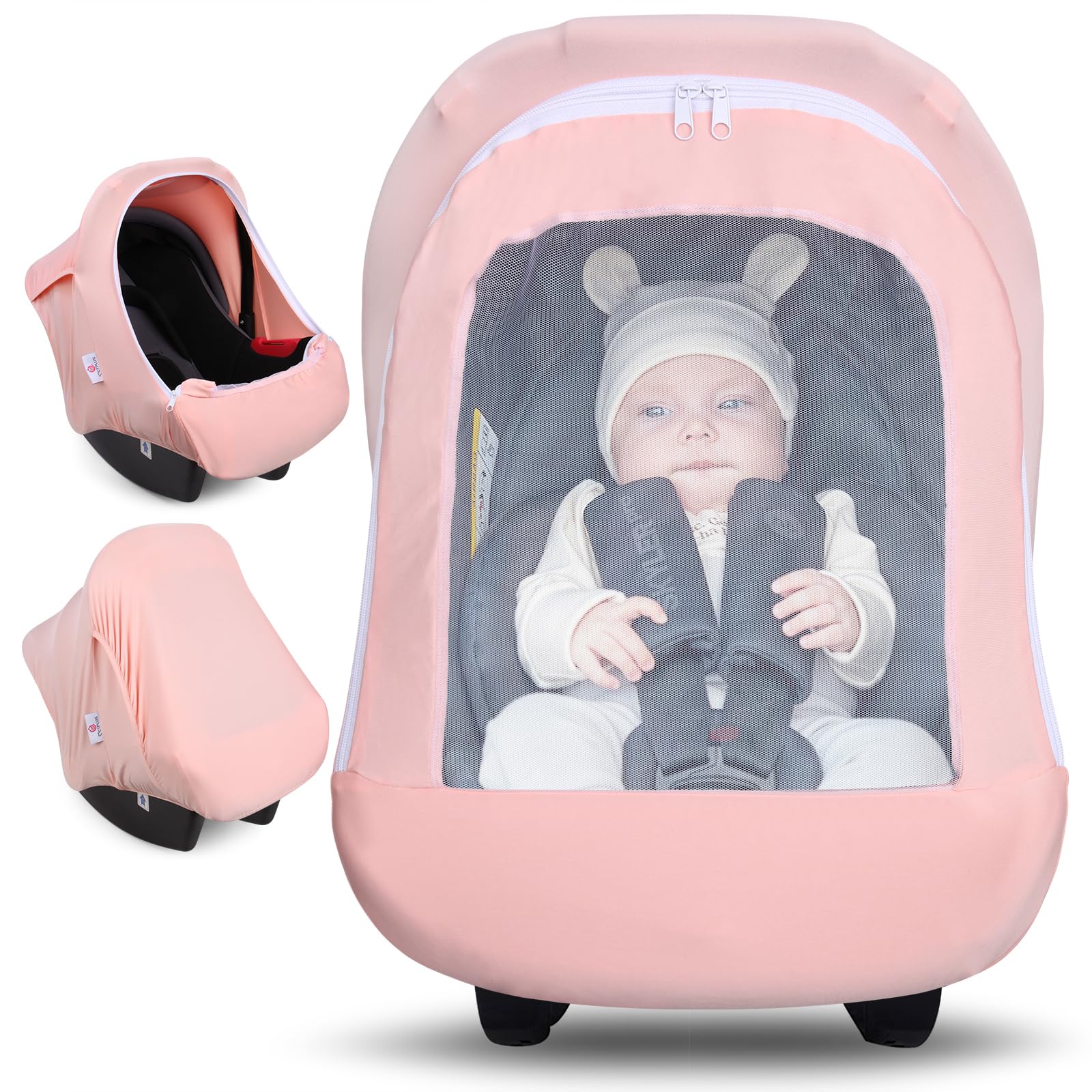
Car seat covers can be safe when made for infant seats and used exactly as directed.
I write about baby gear after years testing strollers and seats and advising new parents. This guide answers are car seat covers safe for babies with plain facts, practical checks, and real-world tips so you can pick safe options and use them right.

How car seat covers work and why parents use them
Car seat covers add warmth, privacy, or style to a baby seat. Many covers are simple fabric layers or sun canopies that attach without touching the harness. Some are full-wrap designs that tuck under the base and can change how the harness lies.
Parents choose covers to shield from wind, cold, or sun. Others want a softer feel or to protect an expensive seat. Knowing how a cover works is the first step in deciding if are car seat covers safe for babies for your child.
Safety risks and what evidence shows
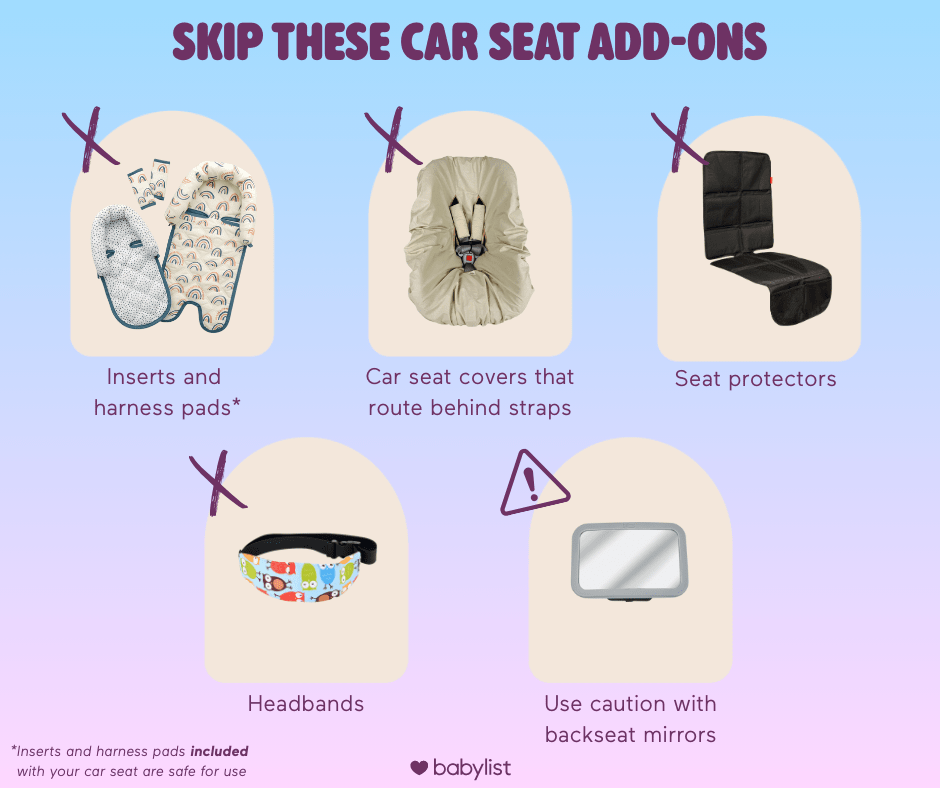
Not all covers are safe. Major risks include restricted airflow, overheating, and interference with the harness path. If a cover blocks vents or adds padding behind the baby, it can change crash forces and restrain the child improperly.
Safety reviewers and child-seat rules emphasize using only manufacturer-approved items. Studies and safety guidance link proper harness fit to reduced injury. When you ask are car seat covers safe for babies, the short answer is: only when the cover does not alter fit or airflow and is approved for that seat.
Types of car seat covers: what’s allowed and what to avoid
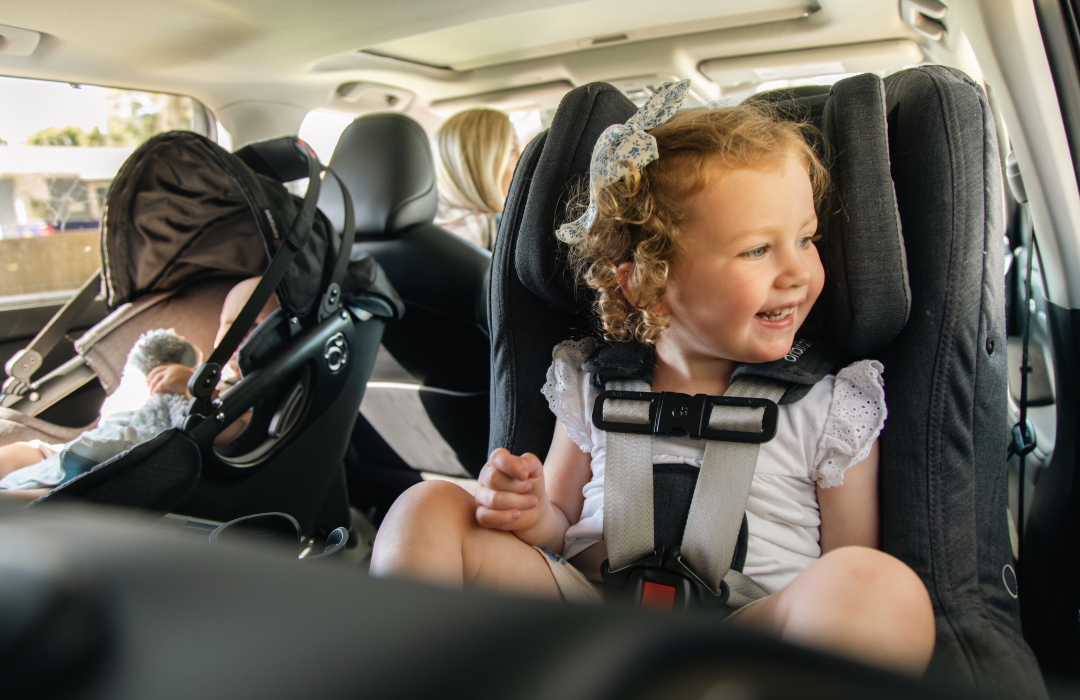
There are several common types. Know the difference before you buy.
-
Manufacturer-approved covers
These come from the seat maker. They match harness openings and materials. These are the safest choice when they fit your seat model. -
Canopies and sun shades
These cover the top and sides to block light. Good for sun or mild wind if they do not seal the seat tightly. -
Aftermarket full-wrap covers
These can change harness positions or trap heat. Avoid full-wrap aftermarket covers unless the seat manufacturer explicitly approves them. -
Insert pads and winter bunting
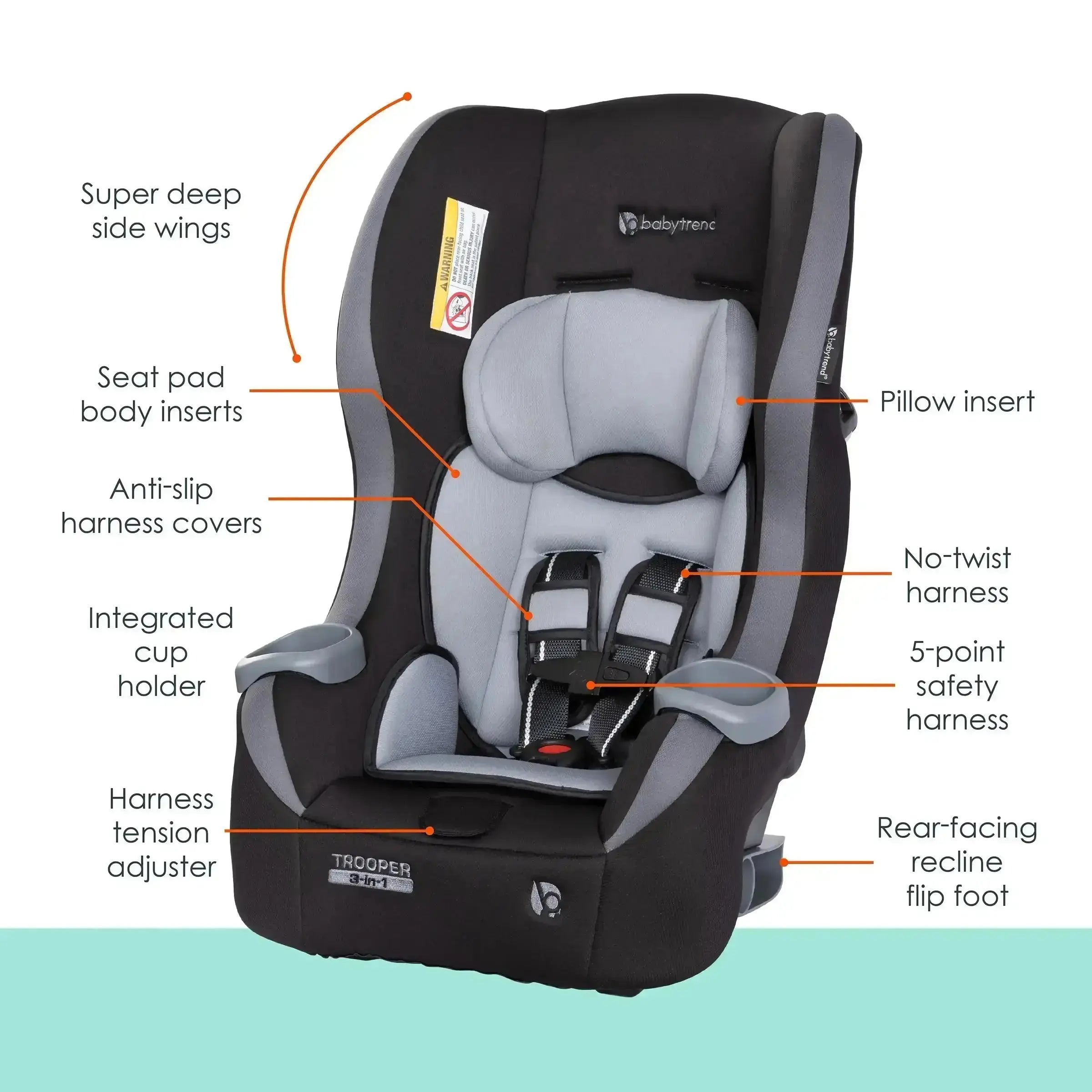
Thick inserts behind the baby or under straps can change crash performance. Only use thin, manufacturer-approved inserts for support.
When evaluating are car seat covers safe for babies, prefer items that keep the harness snug, do not add bulk under the baby, and allow air to flow.

How to choose and use safe car seat covers
Follow a clear checklist when deciding on a cover.
-
Check the seat manual first
The manual tells you which accessories are allowed. If the manual says no aftermarket covers, do not use them. -
Confirm harness access and fit
Make sure you can place the harness through the cover openings and that the strap lies flat against the baby. -
Look for breathable, thin fabrics
Mesh or thin cotton helps airflow. Thick fleece or padded liners can increase heat and should be used carefully. -
Avoid layers between the baby and harness
No extra pads or cloth under the straps unless made for that seat model. -
Test after installing
Tighten the harness and perform a wiggle test; the cover should not let the webbing move or create slack.
These steps help answer are car seat covers safe for babies in practical terms. If the cover fails any check, skip it.
Installation, testing, and warning signs
Install slowly and test fully each time. A simple test reveals many hidden problems.
-
Harness pull test
After the cover is in place, pull the harness tight. Check that the straps rest flat and close to the baby’s chest. -
Visual fit check
The chest clip should sit at armpit level and not over fabric folds created by the cover. -
Heat and breathing check
Touch the baby’s chest and face after a short ride. If baby feels hot or looks flushed, remove extra layers. -
Signs to remove a cover
Sagging fabric, difficulty placing the harness, blocked vents, or condensation inside the canopy are all red flags.
Good testing answers whether are car seat covers safe for babies in your car and climate. If you see issues, remove the cover immediately.

Cleaning, maintenance, and longevity
Keeping a cover clean matters for safety and hygiene. Follow a few simple rules.
-
Wash per the label
Use mild detergent and air dry when possible. Heat from a dryer can shrink or warp materials. -
Inspect regularly
Look for stretched straps, torn seams, or fabric that no longer fits the seat. -
Replace when worn
Old, loose, or misshapen covers can interfere with fit and should be replaced.
Clean, intact covers are more likely to be safe. When you wonder are car seat covers safe for babies over time, maintenance is a key part of the answer.
Real experience: lessons from testing and field use
I have tested infant seats with many covers in real-world conditions. A few lessons stand out.
-
Mistake to avoid: using heavy winter bunting under the harness. It looked cozy but made the straps too loose. After switching to a thin, approved liner, fit returned and the baby rode safer.
-
Tip that helps: always do a harness check after placing a cover. Many problems show up in the first minute.
-
What I trust: manufacturer accessories and simple canopies. They fit well and do not block vents.
These practical fixes directly address are car seat covers safe for babies in everyday use. Trust your checks and err on the side of simple designs.

Frequently Asked Questions of are car seat covers safe for babies
Can I use a blanket over my baby in the car seat?
A light blanket can be used over the harness but not under it. Tuck the blanket below the harness so straps stay snug and place the blanket over the chest and legs.
Are stroller bunting bags safe in car seats?
Many stroller bunting bags are not safe for car seats because they add bulk under the harness. Use only bunting bags that are explicitly labeled safe for car-seat use.
Will a canopy cause my baby to overheat?
A breathable canopy usually does not cause overheating. Remove or open canopies if you notice warmth, sweat, or flushed skin.
Do I need to remove a car seat cover for a crash?
After any crash, follow the seat manual; many manufacturers recommend replacing the seat, and a cover may need replacing too. Inspect the cover for damage and do not use a warped or torn cover.
How do I know if a cover is approved for my seat model?
Check the seat manual or manufacturer website for a list of approved accessories. If the manufacturer does not list the cover, treat it as aftermarket and proceed with caution.
Can I use a homemade cover?
Homemade covers can be risky if they add bulk or block harness paths. If you use one, perform the harness and visual checks described earlier and remove it if it changes fit.
Conclusion
Choosing safe gear comes down to one rule: do not let fabric change how the harness fits or how air moves around your child. Use manufacturer-approved covers when possible, favor thin breathable fabrics, and run simple tests every time you install a cover. I encourage you to check your seat manual, test any cover in your car, and always prioritize fit over fashion. If you found this helpful, try an approved cover, subscribe for more baby gear advice, or leave a comment with your questions.