How to Inflate a Car Tire at Home: Quick and Easy Steps
Is your car tire feeling a bit flat? You don’t have to rush to the gas station or wait for roadside help.
Knowing how to inflate a car tire at home can save you time, money, and stress. Imagine being able to fix your tire quickly and confidently, right in your driveway. In this guide, you’ll learn the simple steps to get your tire back to the perfect pressure using easy-to-find tools.
Whether you’re a beginner or just want a refresher, this article will walk you through everything you need to know to keep your tires properly inflated—and your drive safe. Ready to take control of your car maintenance? Let’s get started!
Tools Needed
Inflating a car tire at home requires a few simple tools. These tools help you add air safely and accurately. Having the right equipment makes the job easier and faster. Below are the key tools you need to get started.
Portable Air Compressor
A portable air compressor is the main tool for inflating tires. It plugs into your car’s power outlet or runs on battery. This device pushes air into the tire quickly and efficiently. It is small and easy to carry. Many models have built-in pressure gauges for convenience.
Tire Pressure Gauge
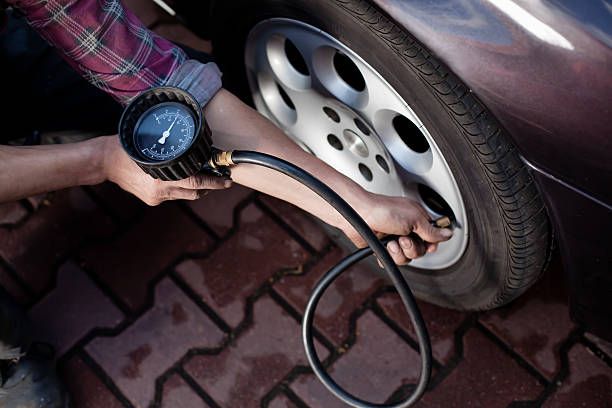
A tire pressure gauge measures the air pressure inside the tire. It helps you avoid overinflating or underinflating. You can find digital or analog gauges. Use the gauge to check pressure before and after inflating. This ensures the tire is at the correct pressure level.
Valve Stem Cap
The valve stem cap protects the valve from dirt and moisture. Always remove it before adding air. After inflating, screw the cap back on tightly. It keeps the valve clean and prevents air from leaking out. Never forget this small but important part.
Finding Recommended Psi
Knowing the right pressure for your car tire is important. Proper tire pressure helps your car run smoothly and keeps you safe on the road. Overinflated or underinflated tires can cause poor fuel economy and wear out faster. Follow simple steps to find the recommended PSI before inflating your tires at home.
Check Driver’s Door Jamb
Open the driver’s side door and look at the door jamb. There is a sticker or plate with tire information. This label shows the recommended PSI for your car’s tires. It is usually listed for front and rear tires separately. Use this PSI number to inflate your tires correctly.
Understand Psi Limits
PSI means pounds per square inch. It measures the air pressure inside the tire. Each tire has a maximum PSI limit printed on its sidewall. This is the highest pressure the tire can safely hold. Do not inflate beyond this limit. Stick to the car manufacturer’s recommended PSI for best performance and safety.
Preparing Your Car
Preparing your car before inflating a tire is important for safety and accuracy. It ensures the process goes smoothly. Taking a few simple steps helps you get the best results and avoid problems.
Start by setting your car in the right spot and checking the tire condition. These small actions make inflating easier and safer.
Park Near Power Source
Choose a parking spot close to an electrical outlet. This helps if you use an electric air compressor. You can plug it in without stretching cords. A nearby power source keeps the area safe and tidy.
Make sure the car is on flat ground. This prevents it from rolling during inflation. Engage the parking brake for extra security.
Ensure Tires Are Cold
Check that your tires are cold before inflating. Tires heat up when driving, causing pressure to rise. Inflate cold tires for an accurate reading. This helps avoid overinflating and tire damage.
Wait at least three hours after driving or inflate first thing in the morning. Cold tires give the best pressure results. This step is key for safe and proper tire care.
Removing The Valve Cap
Removing the valve cap is the first step to inflate your car tire at home. The valve cap protects the valve stem from dirt and moisture. It also prevents air from leaking out. Take care to remove it gently to avoid damage.
Keep the valve cap in a safe place. You will need to put it back after inflating the tire. Losing the valve cap can cause dirt to enter the valve, which may lead to air leaks.
Locate The Valve Stem
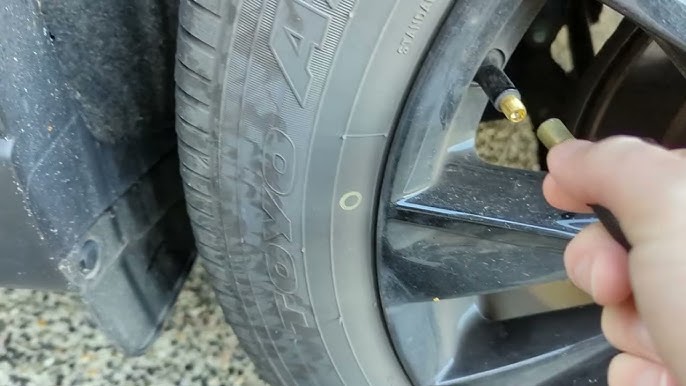
Look for the small rubber or metal stem on the tire. It is usually near the rim. This is where the valve cap is located. Make sure the tire is clean around the valve stem before removing the cap.
Unscrew The Valve Cap
Grip the valve cap firmly with your fingers. Turn it counterclockwise to unscrew. Do not use tools that might damage the cap or valve stem. If the cap is tight, try wiggling it gently while turning.
Set Aside The Valve Cap Safely
Place the valve cap in your pocket or a nearby container. Avoid dropping it on the ground. Keeping it safe prevents loss and keeps your work area organized.
Attaching The Air Inflator
Attaching the air inflator correctly is a key step in inflating a car tire at home. A secure connection ensures air flows smoothly into the tire. Poor attachment can cause air leaks or slow inflation.
Take your time to connect the inflator nozzle firmly to the tire valve stem. This step prevents air from escaping and saves time.
Secure Connection Tips
First, remove the valve cap from the tire valve stem. Keep the cap safe for later use. Align the inflator nozzle straight with the valve stem. Press the nozzle firmly onto the valve. Some inflators have a lever to lock the nozzle in place. Flip the lever down to secure the connection. Check that the nozzle does not wiggle or feel loose.
A stable connection helps the inflator push air directly into the tire. Avoid forcing the nozzle at an angle as this can bend the valve stem.
Avoid Air Leaks
Air leaks slow inflation and waste effort. Ensure the nozzle fits tightly around the valve stem. Listen for hissing sounds that signal escaping air. Adjust the nozzle or press harder if you hear leaks. Use an inflator with a rubber gasket or seal for a tighter fit.
After attaching the inflator, watch the pressure gauge. If the pressure does not rise, check for leaks again. Tighten the connection or try another nozzle if needed. Proper sealing keeps air inside the tire for faster inflation.
Inflating The Tire
Inflating a car tire at home is a simple task that anyone can do with the right tools. It helps keep your vehicle safe and improves fuel efficiency. Proper inflation also extends the life of your tires.
Before adding air, make sure the tire valve is clean and undamaged. Use a reliable air compressor or pump to avoid problems. Follow the steps carefully to get the best results.
Add Air In Short Bursts
Start by adding air in short bursts instead of a long continuous flow. This method helps control the pressure inside the tire better. It also prevents overinflation, which can cause damage.
Attach the air hose firmly to the valve stem. Press the trigger for a few seconds, then release it. Repeat this process, checking the pressure after each burst.
Monitor Pressure Closely
Use a tire pressure gauge to monitor the pressure regularly. Each tire has a recommended PSI (pounds per square inch) found on the car’s door frame or in the owner’s manual.
Check the pressure after every few bursts of air. Stop inflating once you reach the correct PSI. Avoid overfilling, as this can cause poor handling or tire blowouts.
Checking Tire Pressure
Checking tire pressure is a key step before inflating your car tire at home. Proper pressure ensures safety and better fuel efficiency. Low pressure can cause uneven tire wear and poor handling. Overinflated tires may lead to a harsh ride and increased risk of blowouts. Regular checks help maintain optimum tire condition.
Use Tire Pressure Gauge
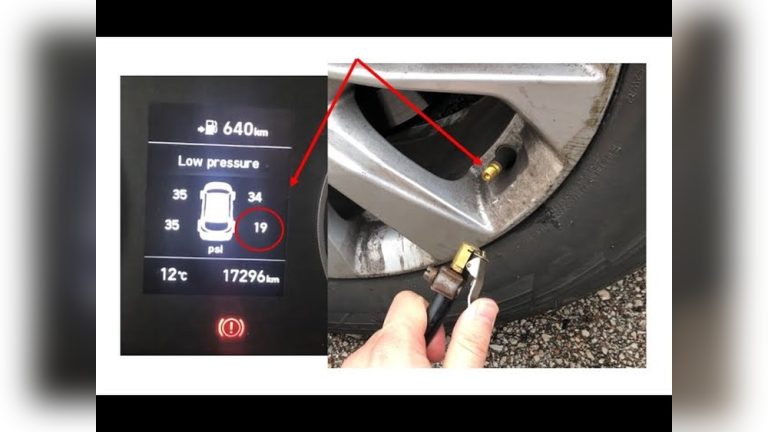
Start by using a tire pressure gauge. This tool measures air pressure inside the tire. Remove the valve cap on the tire stem. Press the gauge firmly onto the valve. Read the pressure level on the gauge display. Digital or analog gauges work well for this task. Keep the gauge straight to avoid air leaks during measurement.
Match Recommended Psi
Next, match the pressure to the recommended PSI (pounds per square inch). Find this number on the sticker inside the driver’s door or in the owner’s manual. Avoid using the maximum pressure listed on the tire sidewall. Inflate the tire to the exact recommended PSI for your vehicle. Adjust the air pressure using your pump or compressor. Check again with the gauge after inflating. This ensures the tire is neither underinflated nor overinflated.
Replacing The Valve Cap
Replacing the valve cap is a small but important step after inflating your car tire at home. The valve cap protects the valve stem from dirt and moisture. It also helps prevent air from leaking out. Skipping this step may cause slow leaks or damage to the valve.
Make sure to screw the valve cap back on tightly. A loose cap can fall off while driving. Use the original cap or a compatible replacement. Some valve caps have a rubber seal inside for extra protection.
Check the valve cap each time you check your tire pressure. A missing or damaged cap should be replaced promptly. This simple habit helps keep your tires in good shape for longer.
Remove The Old Valve Cap
Turn the valve cap counterclockwise to unscrew it. Keep it safe if you plan to reuse it. Clean the valve stem if you see dirt or debris. This prevents contamination inside the valve.
Choose The Right Replacement Cap
Pick a valve cap that fits your valve stem well. Plastic or metal caps both work fine. Ensure the cap has a good seal to keep air in. Avoid using caps that are cracked or worn.
Secure The New Valve Cap
Place the new cap on the valve stem. Screw it clockwise until snug. Do not overtighten, as this can damage the valve. The cap should feel secure but easy to remove later.
Alternative Methods
When a traditional air compressor is not available, alternative methods can help you inflate your car tire at home. These options are simple and often use tools you may already have. They provide practical ways to add air without visiting a gas station or repair shop.
Using A Bike Pump
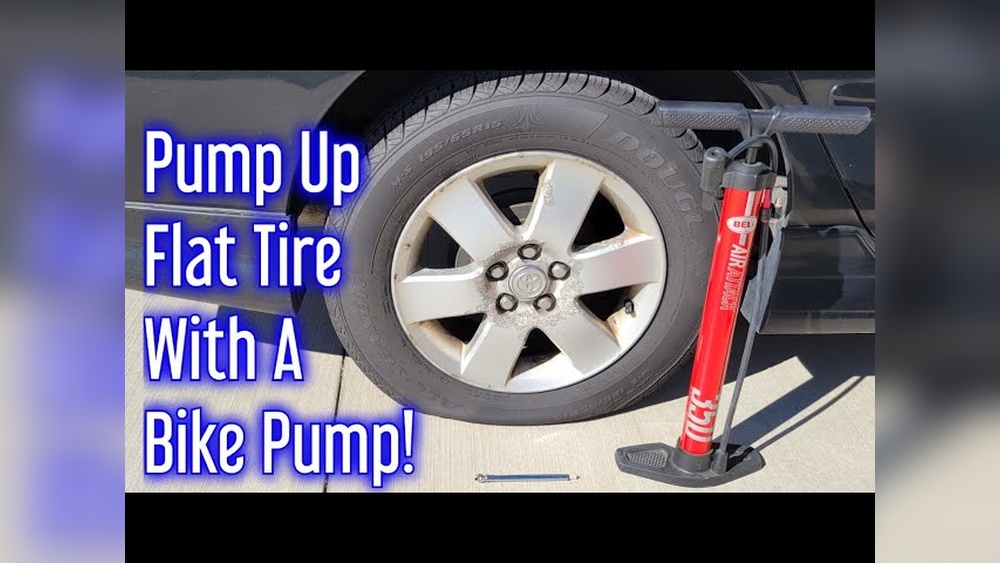
A bike pump can work in a pinch for inflating car tires. It requires more effort but delivers air gradually. First, remove the tire’s valve cap and attach the bike pump nozzle securely. Pump steadily and check the tire pressure often with a gauge. This method is best for small pressure boosts, not for completely flat tires. It’s a quiet, low-cost way to add air at home.
Portable Tire Inflator Options
Portable tire inflators are compact devices powered by your car’s battery or a rechargeable battery. They connect easily to the valve stem and inflate tires quickly. Most models include built-in pressure gauges to avoid overinflation. These inflators are convenient for home use and emergency situations. Keep one in your car for easy tire maintenance wherever you go.
Credit: www.firestonecompleteautocare.com
Tips For Safety
Inflating a car tire at home requires attention to safety. You must follow simple rules to avoid accidents or damage. Proper safety helps keep you and your vehicle safe during the process.
Taking time to prepare and inspect your tools and tire can prevent problems. Staying careful ensures a smooth and safe inflation every time.
Avoid Overinflation
Check the recommended tire pressure before inflating. Use a reliable pressure gauge to monitor the air level. Stop adding air as soon as you reach the correct pressure.
Too much air can cause the tire to burst or wear unevenly. Overinflated tires reduce road contact, making driving unsafe. Inflate slowly and check pressure often for best results.
Inspect Valve Stem
Look closely at the valve stem before adding air. Make sure it is clean and free from cracks or damage. A broken valve stem can cause air leaks or sudden failure.
Replace any valve stem that looks worn or bent. Tighten the valve cap after inflation to keep dirt and moisture out. Proper valve care helps maintain tire pressure longer.
Maintaining Tire Pressure
Maintaining proper tire pressure is vital for safe driving and better fuel efficiency. Tires with the right pressure last longer and perform well. Checking and adjusting tire pressure regularly helps avoid flats and uneven wear. It also improves vehicle handling and braking. Simple steps at home can keep your tires in top shape and your rides smooth.
Regular Checks
Check tire pressure at least once a month. Use a reliable tire pressure gauge for accuracy. Measure pressure when tires are cold for best results. Compare readings with the recommended PSI found in your vehicle manual or door sticker. Add air if pressure is low, or release if too high. Keeping pressure consistent prevents tire damage and unsafe driving conditions.
Seasonal Adjustments
Temperature changes affect tire pressure noticeably. Cold weather lowers pressure, causing underinflation. Hot weather increases pressure, risking overinflation. Adjust tire pressure with the seasons to maintain proper levels. Check tires more often during winter and summer months. This helps keep tires safe, efficient, and longer-lasting throughout the year.
Credit: www.youtube.com
Frequently Asked Questions
How Can I Inflate My Car Tires At Home?
Use a portable air compressor or pump. Check your car’s recommended PSI on the door jamb. Attach the inflator to the valve stem. Inflate in short bursts, checking pressure with a gauge. Stop when the PSI matches the recommendation. Replace the valve cap securely.
What Can I Use If I Don’t Have An Air Pump?
Use a portable air compressor, bike pump, or visit a gas station with an air inflator. Check tire pressure regularly.
How Do You Inflate Your Tires At A Gas Station?
Unscrew the valve cap and attach the air hose to the valve stem securely. Press the lever to add air. Check pressure with a gauge. Stop when reaching the recommended PSI. Replace the valve cap. Repeat for all tires needing air.
How To Inflate A Tire Without An Air Pump?
To inflate a tire without an air pump, use a manual pump, bike pump, or a portable air compressor. Check tire pressure with a gauge often. Inflate slowly to avoid overpressure. Alternatively, visit a gas station with an air compressor for quick inflation.
Conclusion
Inflating a car tire at home is simple and saves time. Always check your tire’s recommended PSI before starting. Use a reliable air compressor or pump for best results. Attach the device firmly to avoid air leaks. Inflate slowly and check pressure often to prevent overfilling.
Keep a tire pressure gauge handy for accuracy. Regularly maintaining tire pressure improves safety and fuel efficiency. You can handle this task confidently with basic tools. Stay prepared and keep your tires properly inflated for smooth driving.