How to Inflate Car Tires at Home: Easy Steps for Quick Safety
Your car tires play a crucial role in your safety and driving comfort. But how often do you check their air pressure?
If your tires feel a bit flat or you just want to keep them in top shape, knowing how to inflate car tires at home can save you time and money. Imagine never having to rush to a gas station or wait in line again.
In this guide, you’ll learn simple, step-by-step methods to get your tires properly inflated using tools you can find at home or easily buy. Ready to take control of your car’s maintenance and drive with confidence? Let’s dive in!
Tools Needed
Inflating car tires at home requires a few simple tools. Having the right equipment makes the task easy and safe. Choose a tool based on your needs, budget, and convenience. Here are the most common tools to inflate your tires effectively.
Portable Air Compressors
Portable air compressors are small and easy to use. They plug into your car’s 12V outlet or run on batteries. These compressors quickly fill tires with air. Many models have built-in pressure gauges for accuracy. They work well for all vehicle types. Keep one in your car for emergencies or regular use.
Manual Pumps And Alternatives
Manual pumps need physical effort to inflate tires. Bicycle pumps are a common example. They are affordable and reliable but take more time and energy. Foot pumps offer better leverage and comfort. These tools are great if you do not have electricity nearby. Perfect for occasional tire inflation or small repairs.
Aerosol Inflators
Aerosol inflators combine air with sealant to fix small leaks. They come in cans and are easy to carry. Spray directly into the tire valve for a quick fix. These inflators are temporary solutions until professional repair. Useful for emergencies or when other tools are unavailable. Always read instructions before use.

Credit: www.youtube.com
Checking Tire Pressure
Checking tire pressure is the first step before inflating your car tires at home. Proper tire pressure ensures better fuel efficiency and safer driving. Underinflated or overinflated tires can cause uneven wear and poor handling.
Regularly checking tire pressure helps maintain your tires’ health and extends their life. It only takes a few minutes and requires simple tools anyone can use.
Locating Recommended Psi
Find the recommended tire pressure in your car’s manual or on the driver’s side door jamb. PSI means pounds per square inch. This number tells you the correct air pressure for your tires. Avoid using the pressure listed on the tire sidewall. That number shows the maximum pressure, not the recommended pressure.
Using A Tire Pressure Gauge
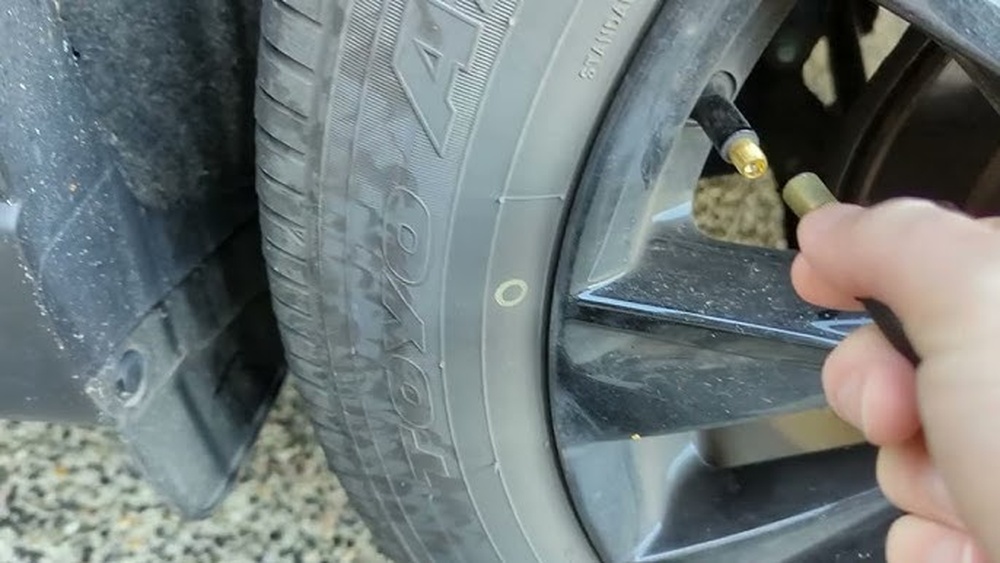
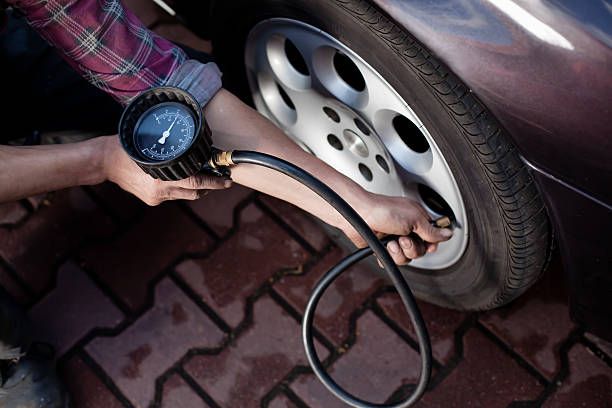
Remove the valve cap from the tire’s valve stem. Press the tire pressure gauge firmly onto the valve stem. Wait for the gauge to display the pressure reading. Compare this reading to the recommended PSI. Add air if the pressure is too low. Release air if it is too high. Replace the valve cap when finished. Repeat for all tires, including the spare.
Preparing Tires For Inflation
Preparing your car tires for inflation is an important step. Proper preparation helps ensure accurate pressure and safe driving. Taking time to prepare tires prevents damage and makes inflation easier. Follow these simple steps before adding air to your tires.
Removing Valve Caps
Start by locating the valve stem on each tire. Twist off the valve cap carefully and keep it safe. The cap protects the valve from dirt and dust. Removing it allows you to connect the air pump properly. Check the cap for cracks or damage and replace if needed.
Inspecting Tires For Damage
Look closely at the tire surface before inflating. Check for cuts, cracks, or bulges on the sidewall and tread. Small objects like nails or glass can cause leaks. Remove any debris stuck in the tire. If you find serious damage, avoid inflating and consult a professional.
Inflating Tires Step-by-step
Inflating car tires at home is simple when you follow clear steps. Proper inflation keeps your tires safe and efficient. This step-by-step guide shows how to do it correctly. Each part ensures your tires get the right amount of air for better driving.
Connecting The Air Compressor
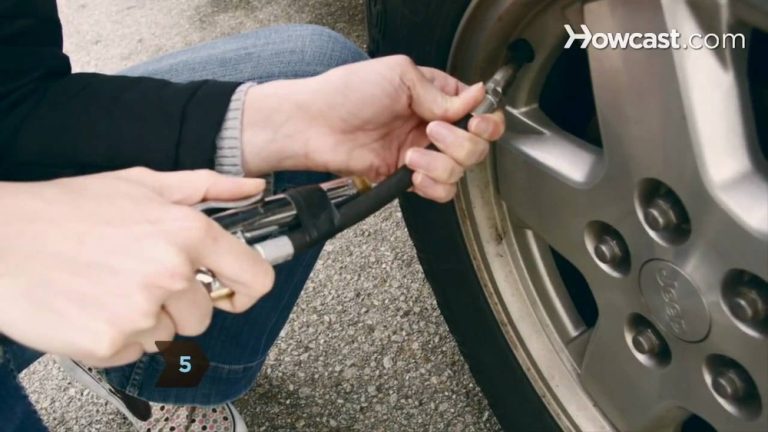
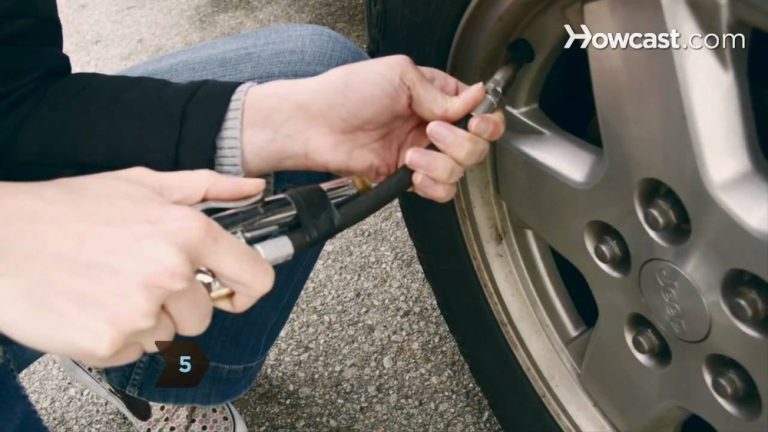
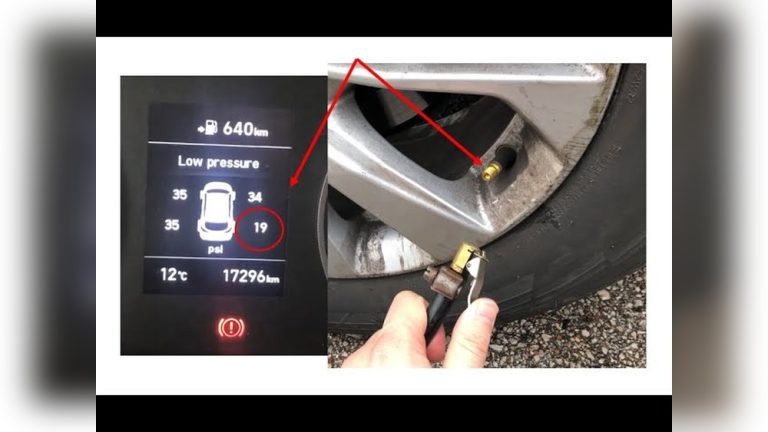
Start by placing your car on a flat surface. Turn off the engine and remove the valve cap from the tire. Attach the air compressor hose to the tire valve firmly. Make sure the connection is tight to stop air from escaping. Keep the compressor near the tire for easy handling.
Monitoring Pressure During Inflation
Turn on the air compressor to begin inflating. Check the tire pressure with a gauge often. The recommended pressure is on the car door sticker or in the manual. Pause inflation to read the pressure. This prevents adding too much air too fast.
Avoiding Overinflation
Stop inflating once the pressure matches the recommended level. Overinflated tires can cause poor traction and uneven wear. Release air if the tire is too full by pressing the valve stem gently. Always double-check the pressure before finishing. Safe tire pressure improves fuel efficiency and safety.
Alternative Inflation Methods
Inflating car tires at home does not always require specialized tools. Alternative methods can help you add air without a home compressor. These options come in handy during emergencies or when you lack standard equipment.
Each method varies in convenience and speed. Some require little effort, while others take more time but still get the job done. Explore these alternatives to keep your tires properly inflated.
Using A Gas Station Air Pump
Gas stations often provide air pumps for tire inflation. These machines are easy to use and usually free or low cost. Park your car next to the pump and remove the valve cap from the tire. Attach the hose nozzle tightly to the valve stem. Press the lever to start airflow and watch the tire pressure gauge. Stop when the pressure reaches the recommended level. Replace the valve cap and you are done.
Manual Bicycle Pump
A manual bicycle pump can inflate car tires in a pinch. It requires more effort but works well for small pressure increases. Remove the valve cap and connect the pump head to the valve. Pump air steadily while checking the tire pressure. This method is slow but effective if you lack power tools. Keep pumping until the tire feels firm or reaches the correct pressure.
Temporary Fix With Sealant
Sealant sprays provide a quick, temporary fix for tire leaks. They contain a liquid that seals small punctures from the inside. Shake the can and attach its nozzle to the tire valve. Spray the recommended amount of sealant into the tire. Inflate the tire using any available air source. Drive for a short distance to spread the sealant inside. Remember, this is a temporary solution and requires a proper repair soon.

Credit: rnrtires.com
Safety Tips
Safety is the first step when inflating car tires at home. It helps prevent accidents and tire damage. Taking simple precautions keeps you and your vehicle safe during the process.
Understanding how to check tires and maintain them properly is vital. Knowing when to ask for help saves time and avoids bigger problems.
Checking For Tire Leaks
Before adding air, inspect your tire for leaks. Look for cracks, holes, or nails stuck in the tire. Spray soapy water on the tire surface and valves. Bubbles will form if there is a leak. Do not inflate a tire with a visible leak. Fix or replace the tire first to avoid blowouts or accidents.
Proper Tire Maintenance
Keep tires clean and check pressure regularly. Use a reliable pressure gauge to measure air levels. Inflate tires to the manufacturer’s recommended pressure. Overinflated or underinflated tires wear out quickly and affect driving safety. Rotate tires every 6,000 miles to ensure even wear. Proper maintenance improves tire life and vehicle handling.
When To Seek Professional Help
Some tire issues need expert attention. Visit a mechanic if you notice uneven wear, sidewall damage, or persistent air loss. Avoid inflating tires that have been driven on while flat. Professionals have the tools to repair or replace tires safely. Getting expert help prevents accidents and costly repairs.
Storing And Maintaining Equipment
Proper care of your tire inflating tools keeps them ready and extends their life. Storing and maintaining your equipment protects it from damage and ensures safe use. Clean and store your tools after each use to avoid malfunctions. Simple steps help your air compressors and inflators work efficiently every time.
Cleaning Air Compressors
Remove dust and dirt from the compressor’s surface with a soft cloth. Check the air filter and clean or replace it regularly. Avoid water contact with electrical parts to prevent damage. Clear the compressor’s vents to keep air flowing freely. Clean tools last longer and perform better.
Storing Inflators Safely
Keep inflators in a dry, cool place away from direct sunlight. Coil hoses neatly to avoid kinks or cracks. Store the power cord without tight bends to prevent wear. Use a dedicated container or bag to protect the inflator from dust. Proper storage prevents damage and keeps equipment ready for use.
Credit: www.firestonecompleteautocare.com
Frequently Asked Questions
Can You Inflate Car Tires At Home?
Yes, you can inflate car tires at home using a portable air compressor or a manual pump. Ensure correct tire pressure for safety.
What To Use If You Don’t Have An Air Pump?
Use a portable electric air compressor, aerosol tire inflator, or manual bicycle pump. For emergencies, visit a gas station or tire shop for air. For airbeds, try the bin bag method to transfer air manually.
How Do You Inflate Your Tires At A Gas Station?
Park your car near the air compressor. Remove the tire valve cap. Attach the air hose securely. Check the tire pressure gauge. Add air until reaching the recommended PSI. Detach the hose and replace the valve cap. Repeat for all tires as needed.
How To Air Up A Car Tire Without A Pump?
Use a portable electric air compressor or visit a gas station for air. Aerosol inflators provide temporary fixes. A manual bicycle pump works if available. For emergencies, use sealant cans but seek professional repair soon.
Conclusion
Inflating car tires at home is simple and saves time. Use a portable air compressor for best results. Always check tire pressure with a gauge before and after inflating. Keep your tires at the recommended pressure for safety and fuel efficiency.
Regular tire maintenance helps prevent flats and improves driving comfort. With these easy steps, you can handle tire inflation confidently at home. Stay safe on the road by keeping your tires properly inflated.