Are Seat Covers Safe For Car Seats: Safety Tips & Risks
Yes — most seat covers are safe for car seats if chosen, fitted, and used correctly.
I’ve tested many seat covers and worked with car owners and technicians. This article explains whether are seat covers safe for car seats, when they help, and when they add risk. You’ll get clear rules, real-life tips, and simple checks to keep your vehicle safe and comfortable.
Are seat covers safe for car seats: what you need to know
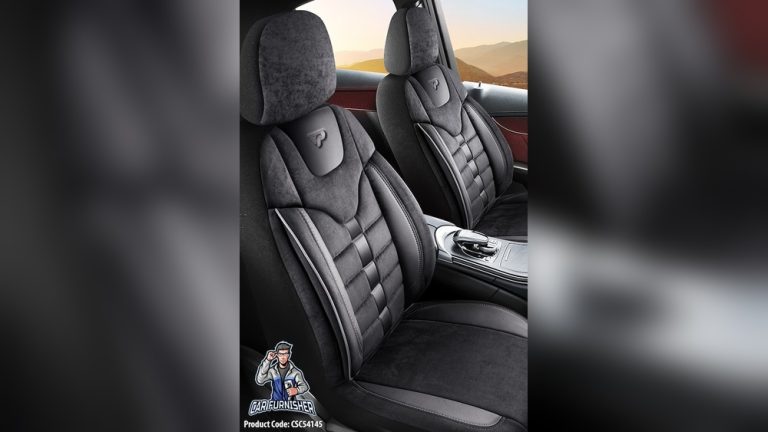
Many people ask are seat covers safe for car seats when shopping online or visiting an auto shop. The quick answer depends on fit, material, and whether covers interfere with airbags or sensors. Good covers protect upholstery, resist spills, and add comfort while staying safe when installed properly.
Common safe uses include protecting leather from wear and covering stains in daily drivers. Unsafe uses include blocking side airbags, covering seatbelt buckles, or altering child seat anchors. Read on to learn specific checks and best practices so you can make a smart choice.
Understanding how seat covers affect safety
Seat covers are simple products, but they interact with safety systems. Knowing the basics helps you avoid problems.
- Seat structure and airbags
- Side airbags often sit in the seat side. Covers that block tear seams can stop airbags from deploying cleanly.
- Sensors and seat belts
- Occupant detection sensors and seatbelt anchors are sensitive. Covers that add bulk or cover sensors can change system behavior.
- Child seat compatibility
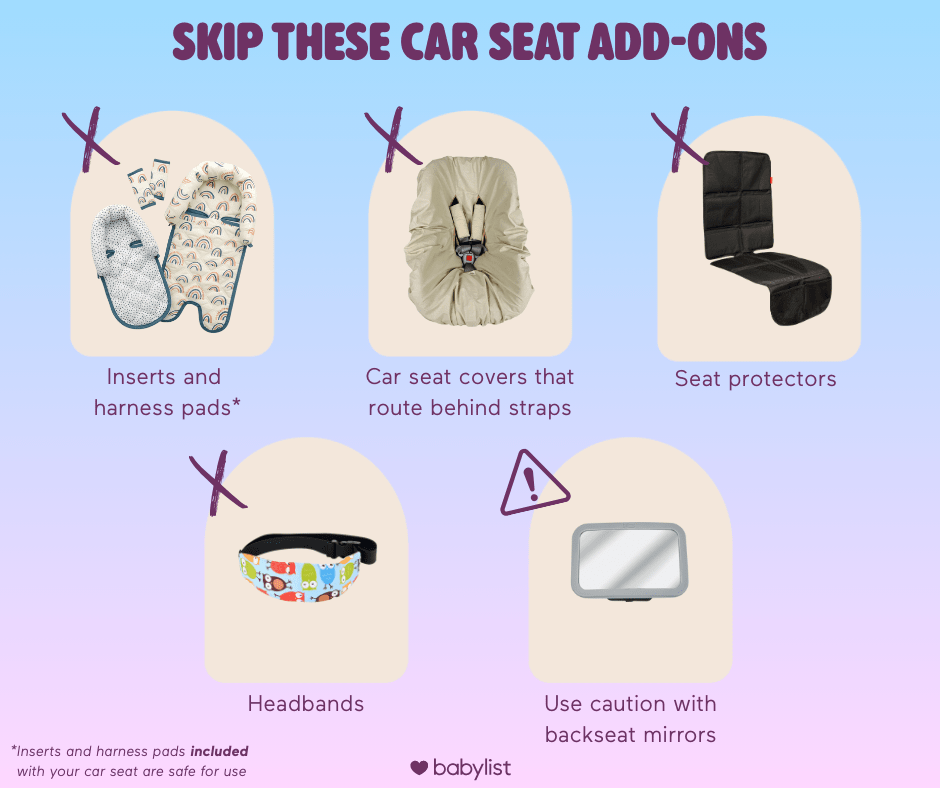
- Child seat anchors (LATCH) need to be accessible. Covers that hide anchors can make installation unsafe.
- Heat, flammability, and chemicals
- Low-quality materials may off-gas or melt under high heat. Choose covers with safe materials and proper labeling.
Common safety concerns and how to avoid them
People worry about airbags, sensors, and fit. These are valid concerns, but fixable.
- Airbag interference
- Avoid covers that conceal or stitch over side airbag seams. Look for “airbag compatible” labels.
- Sensor distortion
- If a cover adds thick padding or gel layers, it can fool weight sensors. Use thin, approved pads in sensitive seats.
- Slippage and movement
- Loose covers can slide under a seated person and change posture in a crash. Choose fitted, non-slip backing.
- Blocking buckles and anchors
- Never tuck covers over seatbelt buckles or LATCH anchors. Ensure quick access.

Types of seat covers and their safety profiles
Not all seat covers are the same. Understand styles and risk levels.
- Custom-fit covers
- Designed for a specific make and model. They usually keep airbag seams free and fit tightly.
- Universal-fit covers
- Designed to fit many seats. They can be looser and more likely to shift or cover sensors.
- Neoprene and water-resistant covers
- Good for spill protection. Thicker neoprene can affect sensors, so choose versions labeled sensor-safe.
- Fabric and cotton covers
- Breathable and light. Often safer for sensors but may stain or wear faster.
- Heated or massaging covers
- These add electrical components. Use only installations that meet vehicle electrical standards.

How to choose seat covers that keep your car safe
Follow a short checklist when buying covers. These steps cut risk and keep the cabin functional.
- Check airbag compatibility
- Look for “airbag compatible” or “side airbag safe” in product details.
- Prefer custom-fit for modern cars
- Custom-fit covers are designed around sensors and seams.
- Verify LATCH and buckle access
- Ensure cutouts or openings for anchors and buckles.
- Inspect materials and certifications
- Choose flame-retardant materials and products with clear safety specs.
- Read reviews from car owners with similar models
- Reviews often reveal real fit and sensor issues quickly.
Installation and maintenance tips to maintain safety
Good installation keeps covers safe for years. Follow these practical steps.
- Install on a clean, flat seat
- Remove debris and position covers exactly as the instructions say.
- Secure straps and anchors
- Tighten straps so the cover does not move when you sit or slide.
- Test belt and sensor function
- Buckle and unbuckle belts. Check airbag indicator lights for unusual behavior.
- Clean by the book
- Follow manufacturer cleaning instructions to avoid damage. Harsh chemicals can degrade material.
- Replace worn covers
- If seams split or material degrades, replace the cover to avoid unforeseen hazards.

Real-world experience: lessons from testing and fitting covers
I’ve fitted dozens of seat covers across many cars. Here are things I learned the hard way.
- Always test before daily use
- After installing a cover in one of my cars, I noticed the passenger airbag light stayed off until I adjusted the cover. A quick fix avoided a serious issue.
- Don’t trust looks alone
- A cover that looks snug on the web can be loose in person. Measure seats and compare to product specs.
- Child seat checks saved me time
- I once had to undo a full install because the cover hid LATCH anchors. Now I fit the child seat first, then the cover if it’s compatible.

When are seat covers unsafe or not recommended
There are times to avoid covers entirely. Recognize these red flags.
- When the vehicle manufacturer advises against covers
- Always check the owner’s manual first.
- If the cover blocks side airbag seams
- Never compromise airbag deployment paths.
- For some child car seats
- If a cover prevents secure attachment of a child seat, do not use it.
- With aftermarket electrical heaters not installed by a pro
- Incorrect wiring can create a fire risk.
Research, regulations, and expert guidance
Vehicle safety is regulated. Here’s how that affects seat covers.
- Automakers design seat airbags and sensors into seats. That means any change can have consequences. Studies and technical bulletins show that side airbags need unobstructed seams to deploy properly.
- Industry guidance recommends using covers labeled airbag-compatible and following the vehicle manual. If in doubt, consult a certified technician.
- Many shops and installers follow manufacturer rules. A quick call to the dealer can confirm whether your model tolerates aftermarket covers.
Quick PAA-style questions
Q: Do seat covers affect airbag deployment?
A: They can if they cover or stitch over side airbag seams. Use airbag-compatible covers to avoid this.
Q: Will seat covers stop my seat heater from working?
A: Minimal, thin covers usually do not. Thick or insulated covers may reduce heater efficiency.
Q: Can I use seat covers with child seats?
A: Only if anchors remain accessible and the cover does not add bulk between the child seat and vehicle seat.
Frequently Asked Questions of are seat covers safe for car seats
Are seat covers safe for car seats with side airbags?
Most airbag-equipped seats are fine with covers labeled airbag-compatible. Avoid covers that stitch across side seams or hide airbags.
Will seat covers affect seat sensors and airbags?
Thick or heavily padded covers can alter sensor readings. Choose thin, approved covers and test the system after installation.
Can I install any cover over LATCH anchors?
No. Only covers that offer accessible openings for LATCH anchors are safe. Always check anchor access before securing a child seat.
Are custom-fit covers better than universal-fit for safety?
Yes. Custom-fit covers are designed to clear sensors and seams, making them safer for modern vehicles.
How do I know if a seat cover is fire-safe?
Look for flame-retardant labeling and manufacturer safety data. If the product lacks safety specs, choose a different option.
Do seat covers void my vehicle warranty?
Generally they do not, but damage caused by an aftermarket cover could be a separate issue. Check your warranty terms and save receipts.
Can cheap seat covers cause chemical or odor problems?
Some low-cost covers can off-gas or trap smells. Pick covers with clear material specs and good ventilation.
Final thoughts and next steps
Seat covers can be safe and useful when chosen with care. Use airbag-compatible, custom-fit options when possible. Always keep LATCH anchors and buckles accessible. Test sensors and belts after installation. If you are unsure, ask a certified technician or your dealer for guidance.
Take action today: measure your seats, read your owner’s manual, and pick covers that list safety features. Share your experience or questions in the comments, and consider subscribing for more practical car-safety tips.