Can You Put Car Seat Covers on Heated Seats
Are you wondering if you can put car seat covers on heated seats without losing that cozy warmth? It’s a common concern, especially when you want to protect your seats but still enjoy the comfort of heating during cold days.
You might worry that covers will block the heat or even damage the seat’s heating system. The good news? With the right type of seat cover and some simple tips, you can keep both your seats safe and your body warm.
Keep reading to find out how to choose the best covers, what to avoid, and how to enjoy heated seats safely all year round.
Heated Seats Basics
Heated seats add comfort during cold weather. They warm the seat surface quickly. This feature helps drivers and passengers enjoy their ride. Understanding how heated seats work is important. It also helps to know common features. This knowledge helps when choosing seat covers for heated seats.
Many car owners ask if seat covers affect heated seats. Knowing the basics of heated seats can explain why. Let’s explore how these seats work and what features they offer.
How Heated Seats Work
Heated seats use electric heating elements inside the seat cushions. These elements produce heat when powered. The heat warms the seat surface. Temperature controls let users adjust the warmth level. Sensors prevent the seat from overheating. This system ensures safety and comfort. The heating elements are thin and flexible. They do not affect seat comfort or shape.
Common Heated Seat Features
Most heated seats have multiple heat settings. Users can select low, medium, or high heat. Some seats have automatic shut-off timers. This saves battery power and prevents overheating. Advanced models include seat ventilation. This feature cools the seat in hot weather. Heated seats often work with the car’s climate control. They may turn on automatically in cold conditions. Some cars offer heated steering wheels too. These features improve overall driving comfort.
Seat Covers And Heat Compatibility
Choosing the right seat cover for heated seats requires understanding heat compatibility. Seat covers can either allow heat to pass through or block it. This affects how well the heated seat functions and your comfort. Using the wrong material can reduce warmth or cause damage.
Materials That Allow Heat Transfer
Some seat covers are made from thin, breathable fabrics. These materials let heat pass through easily. Examples include mesh, thin polyester, and certain types of leather. They keep the warmth from the seat heater noticeable. These covers work well with heated seats without blocking the heat.
Cloth and fabric covers with good ventilation also allow heat transfer. They prevent overheating and keep you comfortable. These materials are safe to use and do not damage the heating elements under the seat.
Materials That Block Heat
Thick materials like foam, heavy leather, and neoprene block heat from passing through. These covers stop the warmth from reaching your body. Using such covers can make heated seats less effective. The heat may build up beneath the cover, risking damage to the seat heater.
Plastic and vinyl covers also block heat. They trap heat and can cause the seat to overheat. Over time, this can damage the seat’s heating system. Avoid using these materials on heated seats for safety and comfort.
Safety Concerns With Seat Covers On Heated Seats
Using seat covers on heated seats raises important safety concerns. The extra layer can affect how heat disperses. This may create risks for drivers and passengers. Understanding these dangers helps you choose the right accessories safely.
Risk Of Overheating And Burns
Seat covers can trap heat from the heated seats. This causes the seat surface to become hotter than normal. Prolonged exposure to high heat may burn your skin. People with sensitive skin or nerve problems face greater risks. Overheating may also cause discomfort and skin irritation.
Potential Fire Hazards
Heated seats use electrical elements that generate warmth. Covering these with non-breathable materials raises fire risk. Poor quality or damaged seat covers can catch fire more easily. Older cars with worn heating systems are more vulnerable. Always check for signs of wear or unusual smells.
Impact On Electrical System
Extra insulation from seat covers forces the heating system to work harder. This puts more strain on the car’s electrical system. Increased power use can reduce battery life, especially in electric vehicles. It may also lead to faster wear of heating components. Regular inspection ensures the system stays safe and efficient.
Health Risks Linked To Heated Seats
Heated seats offer warmth and comfort during cold weather. Yet, they carry certain health risks that many overlook. Understanding these risks helps you use heated seats safely. Some dangers involve burns, skin problems, and circulation issues. Certain groups face higher risks and need extra caution. Below, we explore the main health concerns linked to heated seats.
Burns And Skin Issues
Heated seats can cause burns if used too long or at high temperatures. Some people develop “toasted skin syndrome,” a condition with dark, patchy skin. This happens from prolonged heat exposure and pressure. Thin skin or sensitive skin types are more vulnerable. Always avoid direct, long-term contact with heated surfaces.
Nerve And Circulation Problems
Heat and pressure from seats can worsen poor blood flow. This may compress nerves, leading to pain or numbness. People with nerve damage may not feel harmful heat levels. Using heated seats too long might increase nerve irritation. Monitor how your body reacts and limit use if discomfort appears.
Vulnerable Groups To Consider
Some individuals face greater risks from heated seats. Diabetics and those with neuropathy may not sense burns or heat damage. Elderly people often have thinner skin and weaker circulation. Children’s skin is more delicate and can burn quickly. Pregnant women should also consult doctors before using heated seats. Extra care keeps these groups safe and comfortable.
Choosing The Right Seat Covers
Choosing the right seat covers is essential for cars with heated seats. The wrong covers can block heat or cause damage. Seat covers should allow heat to pass through safely. They must also protect your seats while staying comfortable.
Best Fabrics For Heated Seats
Fabric choice affects heat transfer and comfort. Thin, breathable materials work best. Polyester blends and microfiber are good options. They let heat reach your body without trapping it. Natural fabrics like cotton also allow heat flow. Avoid fabrics that feel hot or sticky.
Avoiding Thick Or Insulating Covers
Thick seat covers block heat from the seat. Insulating materials stop warmth from reaching you. Foam or heavy leather covers reduce heating efficiency. These covers can cause the seat to overheat. Overheating may damage heating elements over time. Choose covers with low insulation to keep seats safe and warm.
Installation Tips For Seat Covers
Installing car seat covers over heated seats requires care to protect both the seat and the heating system. Proper installation keeps the seat covers secure and ensures the heat works well. Follow these tips for the best results.
Proper Fit And Placement
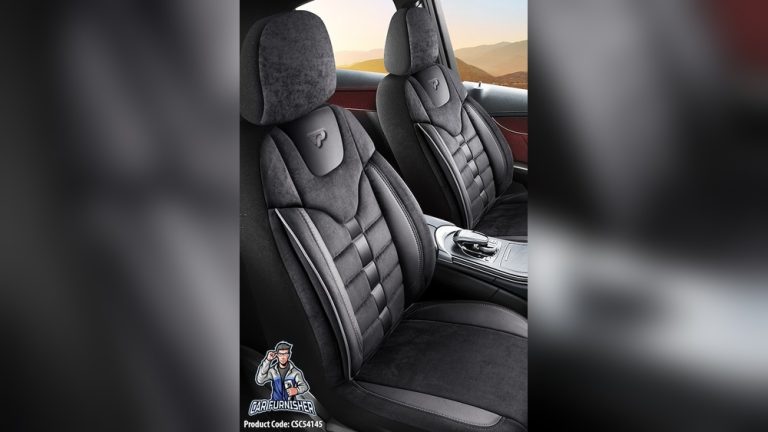
Choose seat covers designed to fit your car’s seats snugly. Loose covers can slip and block seat heaters. Align the covers carefully with seat contours and heating elements. Avoid thick materials that may stop heat from reaching you. Use covers with cutouts or breathable fabrics near heating areas. Secure straps and fasteners tightly under the seat to prevent movement.
Maintaining Heat Efficiency
Pick seat covers made from heat-friendly fabrics like mesh or thin leather. These materials let heat pass through easily. Avoid thick foam or heavy padding that traps heat and reduces warmth. Test the seat heater after installation to check if heat spreads well. Adjust or remove covers if you feel less warmth. Regularly clean covers to keep them effective and prevent damage to heating parts.
Maintenance And Longevity
Maintaining car seat covers on heated seats helps extend their life. Proper care protects both the covers and the heating elements inside the seats. Simple habits can prevent damage and keep your car interior looking good for years.
Cleaning Seat Covers Safely
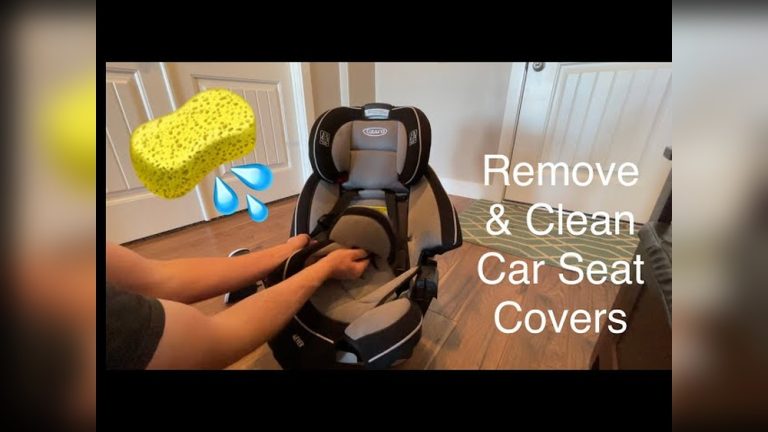
Remove seat covers carefully before cleaning. Use mild soap and cold water to avoid shrinking or fading. Avoid harsh chemicals and bleach, which can damage fabric and stitching. Let covers air dry completely before putting them back on. Regular cleaning prevents dirt buildup that can wear out covers faster.
Protecting Heated Seat Elements
Choose seat covers designed for heated seats. These covers allow heat to pass through without trapping it. Avoid thick or insulated covers that block heat flow and strain the heating wires. Check covers often for wear or damage. Replace covers if heating feels weak or uneven to protect the seat’s heating system.
Credit: freesoo-auto.com
Alternatives To Seat Covers
Seat covers may not always suit heated seats well. They can block heat or cause damage. Many drivers want protection but also want to keep heating effective. Alternatives to seat covers offer good solutions. They protect seats while keeping warmth comfortable and safe.
Heated Seat Cushions
Heated seat cushions provide warmth without covering the original seat. They plug into the car’s power outlet. These cushions heat up quickly and evenly. They are easy to remove and clean. Cushions avoid problems caused by thick seat covers. They offer warmth and comfort while protecting your seat.
Using Seat Protectors
Seat protectors are thin and less bulky than covers. They shield seats from spills, dirt, and wear. Many seat protectors are made of breathable materials. This lets heat from the seat pass through easily. Protectors keep your seat safe without blocking the heater. They are simple to install and remove when needed.
When To Avoid Seat Covers On Heated Seats
Using seat covers on heated seats can protect your car’s interior. Yet, there are moments when adding covers is not a good idea. Heat from the seats may not spread evenly. It can cause damage or discomfort. Knowing when to avoid seat covers helps keep your seats safe and working well.
Signs Of Seat Heater Malfunction
Watch for unusual smells or smoke from the seat area. If the seat feels too hot or stays cold, a problem may exist. Flickering heat or no heat at all can mean the heater is faulty. These signs suggest avoiding seat covers to prevent worsening the issue. Covering a malfunctioning heater can trap heat, risking damage or fire.
Manufacturer Recommendations
Check your car’s manual for advice on seat covers with heated seats. Some makers warn against certain cover materials that block heat or cause overheating. Others suggest special covers designed for heated seats. Following these guidelines protects your car’s warranty and safety. Ignoring these rules can lead to expensive repairs or safety risks.

Credit: www.seatcoversolutions.com

Credit: www.steisone.com
Frequently Asked Questions
What Are The Disadvantages Of Heated Seats?
Heated seats can cause burns, skin issues, and worsen circulation or nerve problems. They drain power and may malfunction, risking fires. Prolonged use can cause discomfort, drowsiness, and dry cabin air. Children and sensitive individuals face higher risks. Repairs can be costly due to wear.
Can You Still Feel Your Heated Seats Through Seat Covers?
Yes, you can still feel heated seats through thin, breathable seat covers. Thick or insulated covers may reduce heat transfer.
Can You Put Seat Covers On Leather Heated Seats On A Toyota?
You can put seat covers on leather heated seats in a Toyota, but choose thin, breathable covers. Thick covers may block heat and damage the heating elements. Always ensure the cover is compatible with heated seats to maintain safety and functionality.
Do Heated Seats Have To Be Leather?
Heated seats do not have to be leather. They work with fabric, synthetic, or leather upholstery. Materials affect comfort and heat distribution.
Conclusion
Car seat covers can be used on heated seats but with care. Choose covers made for heated seats to allow heat to pass safely. Avoid thick or non-breathable materials that block heat and cause damage. Check your car’s manual for specific recommendations.
Regularly inspect covers and seats for wear or overheating signs. This simple step helps protect your seats and keeps you comfortable during cold days. Stay safe and enjoy warmth without risking damage or discomfort.