How to Inflate a Car Tire: Quick and Easy Step-by-Step Guide
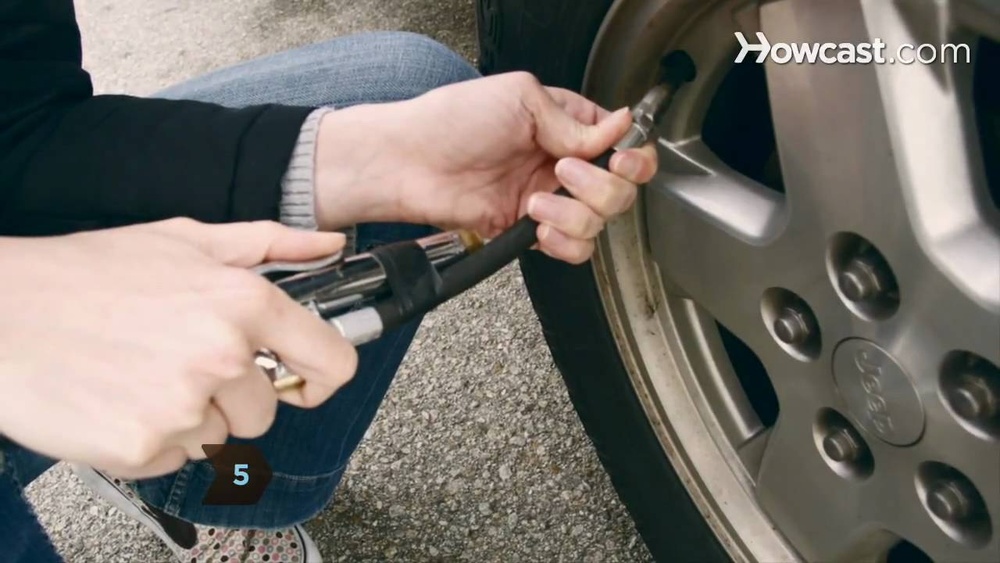
Knowing how to inflate a car tire isn’t just a handy skill—it can save you time, money, and stress when you least expect it. Imagine driving smoothly, confident that your tires are at the perfect pressure for safety and fuel efficiency.
But if your tire feels low or you notice uneven wear, it’s time to take action. In this guide, you’ll learn exactly how to inflate your car tires quickly and correctly, whether you’re at home or at a gas station.
By the end, you’ll feel empowered to keep your tires in top shape, avoid costly repairs, and enjoy a safer ride every time you hit the road. Ready to get started? Let’s dive in!

Credit: www.acg.aaa.com
Locate Recommended Psi
Locating the recommended PSI is the first step to properly inflate your car tire. PSI means pounds per square inch. It tells you how much air pressure your tire needs.
Using the right PSI keeps your tires safe and helps your car run smoothly. Too much or too little air can cause problems. Follow these simple steps to find the correct PSI for your tires.
Find Sticker On Driver’s Door
Open the driver’s side door of your car. Look for a sticker on the door frame or near the latch. This sticker shows important information about your car, including tire pressure.
The sticker lists the recommended PSI for the front and rear tires. It may also show the size of tires your car uses. Always use the PSI on this sticker, not the number on the tire itself.
Understand Psi Values
The PSI value tells you how much air pressure to put in each tire. This number is usually between 30 and 35 PSI for most cars. Some trucks or SUVs may need more.
Check both the front and rear tire PSI. They can be different. Use a tire pressure gauge to measure the air in your tires before inflating.
Keep in mind that the recommended PSI is for cold tires. Measure pressure before driving or after the car has been parked for a few hours. This gives the most accurate reading.
Credit: heartautocare.com
Prepare Your Car
Preparing your car before inflating the tires is an important step. It ensures safety and accuracy. Taking the right steps helps you avoid mistakes and keeps your tires in good shape.
Start by positioning your car properly. Also, check the tire condition before adding air. These small actions save time and effort.
Park Near Air Pump
Park your car close to the air pump at the service station. This makes it easier to reach all tires with the air hose. Choose a flat spot to keep your car stable. Turn off the engine and set the parking brake. This prevents the car from moving during inflation.
Check Tires When Cold
Check your tires when they are cold. Tires heat up while driving and the pressure inside increases. Measuring pressure when hot gives wrong results. Wait at least three hours after driving before measuring. Cold tires show the true pressure level. This helps you inflate the tires correctly.
Remove Valve Caps
Removing valve caps is the first step before inflating your car tire. These small caps protect the valve from dirt and dust. Taking them off carefully helps keep the valve clean and ready for air. Always handle valve caps gently to avoid damage. Follow the steps below to remove and keep your valve caps safe during inflation.
Unscrew Caps Carefully
Turn the valve cap counterclockwise to unscrew it. Use your fingers to avoid stripping the threads. Do not force the cap off if it feels stuck. Twisting slowly prevents damage to the valve stem. Once loose, pull the cap straight off and set it aside.
Keep Caps Safe
Place the valve caps in your pocket or a small container. Avoid dropping them on the ground. Losing caps can expose the valve to dirt and moisture. Keeping caps safe ensures you can replace them after inflating. This helps maintain tire pressure and prevents leaks.
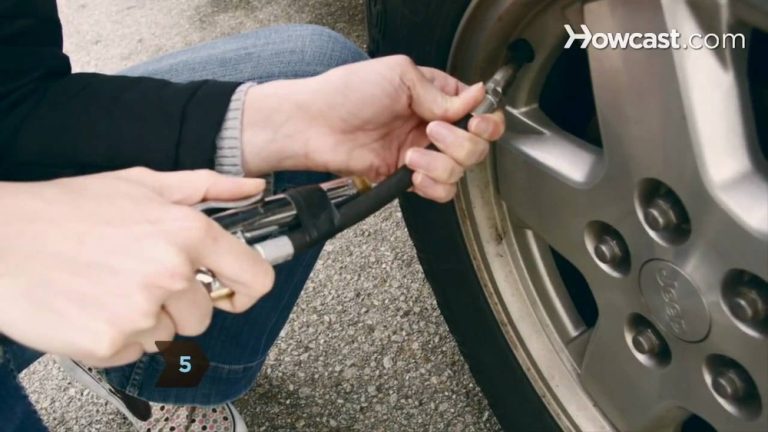
Attach Air Nozzle
Attaching the air nozzle is a key step in inflating your car tire. It connects the air pump to the tire valve, allowing air to flow inside. Doing this correctly ensures a secure fit and proper inflation.
Press Nozzle Firmly
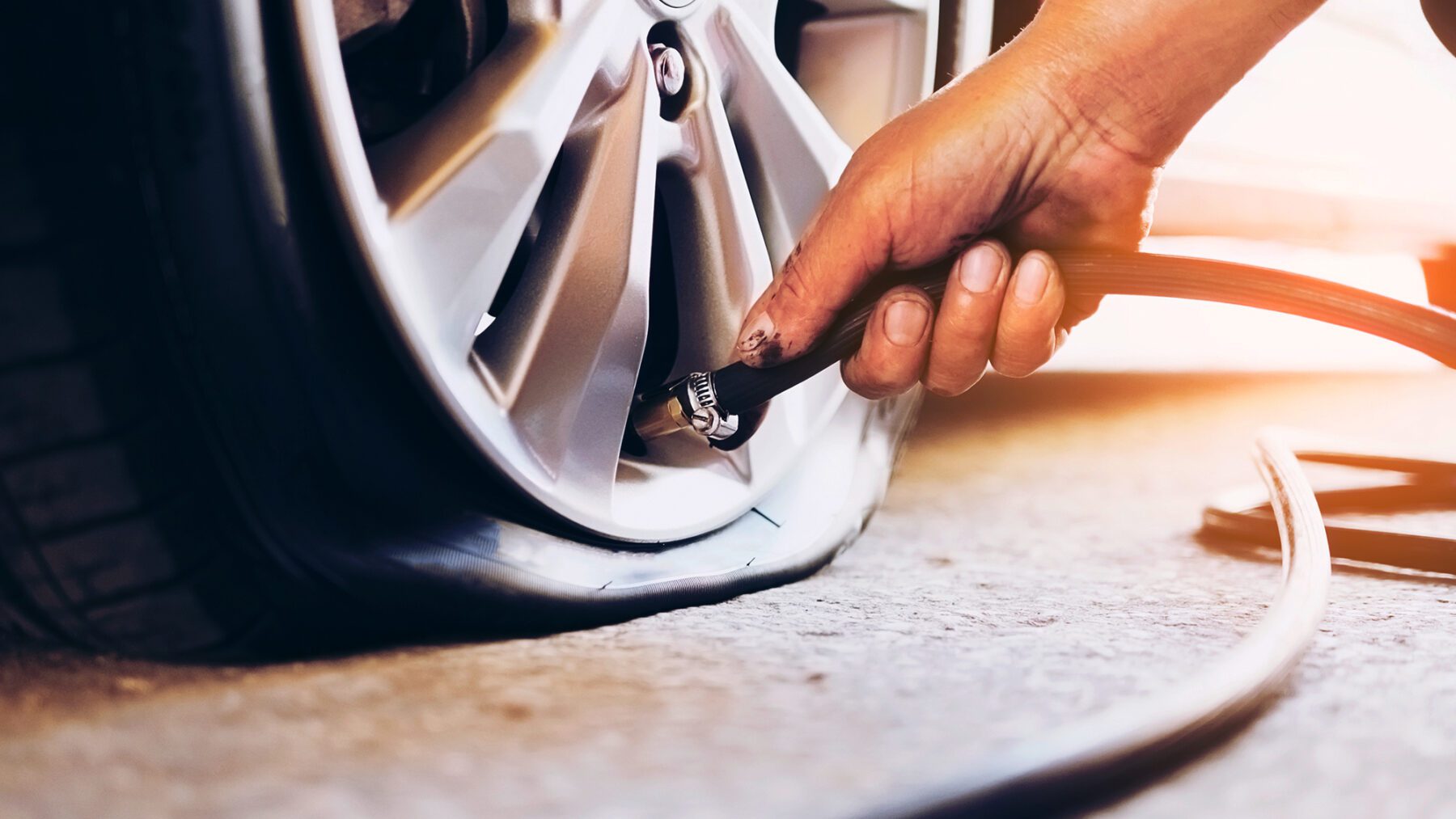
Hold the air nozzle tightly against the tire valve stem. Press it firmly to avoid air leaks. A good seal prevents air from escaping during inflation. Keep the nozzle steady while you pump air.
Listen For Air Hissing
After pressing the nozzle, listen closely for any air hissing sounds. Hissing means air is leaking and the nozzle is not sealed well. Adjust the nozzle position until you hear no hissing. A tight fit helps fill the tire efficiently.
Inflate Tires
Inflating your car tires is a simple task that keeps your vehicle safe and efficient. Proper tire pressure improves fuel economy and tire life. Follow these easy steps to add air correctly.
Start by preparing your tire and air pump. Make sure the valve stem is clean and ready for air.
Squeeze Trigger In Bursts
Press the pump’s trigger gently in short bursts. This helps control the air flow better. Avoid holding the trigger down for too long at once. It prevents over-inflation and gives you time to check the pressure.
Use Automatic Pump Settings
Many gas station pumps have automatic pressure settings. Set the desired PSI on the machine before inflating. The pump will stop when it reaches the set pressure. This feature makes inflation quick and accurate.
Monitor Pressure Gauge
Watch the pressure gauge closely while inflating. It shows the current tire pressure in real time. Stop adding air once the gauge matches your recommended PSI. Check your car’s manual or door sticker for the correct number.
Adjust Tire Pressure
Adjusting tire pressure is key to safe driving and better fuel efficiency. Tires need just the right amount of air. Too much or too little air can cause problems on the road. Checking and fixing tire pressure should be part of your routine car care. This section shows how to adjust pressure correctly.
Release Air If Overfilled
Sometimes you may add too much air to your tire. Overfilled tires feel hard and can wear out faster. To fix this, press the tire’s side with your hand. You can also press the valve stem to let some air escape. Let air out slowly, then check pressure again. Stop when the tire feels firm but not too hard.
Use Valve Pin To Let Air Out
The valve pin is a small metal piece inside the valve stem. Push it gently with a tool or your fingernail to release air. You will hear a hissing sound as air escapes. Press the pin briefly, then stop and check pressure. Repeat if needed until the tire reaches the correct pressure. Always replace the valve cap after adjusting.
Replace Valve Caps
After inflating your car tire, replacing the valve caps is essential. Valve caps protect the valve stem from dust, dirt, and moisture. They help keep your tire air pressure steady and prevent leaks. Always remember to put the caps back on after inflating your tires.
Screw Caps Back Tightly
Place the valve cap on the valve stem carefully. Turn it clockwise until it feels snug. Do not overtighten as it can damage the valve stem. A tight cap ensures the valve stays protected and prevents air from escaping.
Prevent Dirt Entry
Valve caps stop dirt and debris from entering the valve. Dirt can cause valve damage or air leaks. Keeping the valve clean helps maintain tire pressure longer. Always check that valve caps are present and fit well to protect your tires.
Repeat For All Tires
Complete the inflation process on one tire before moving to the next. Ensure each tire reaches the recommended pressure for safe driving. Repeat these steps for all tires to maintain balanced performance.
After inflating one tire to the correct pressure, move to the next tire. Each tire needs proper air pressure for safe driving and better fuel efficiency. Check the pressure of every tire, including the spare if your car has one.
Remove the valve cap carefully, and attach the air hose firmly. Add air in short bursts, then check the pressure. Stop inflating when the pressure matches the recommended PSI from your car’s sticker.
Replacing the valve cap tightly keeps dirt and moisture out. Repeat this process for all four tires. This routine helps prevent uneven tire wear and improves your car’s handling.
Check Tire Pressure Regularly
Checking your tire pressure regularly keeps your car safe and saves fuel. Tires lose air over time. This loss can cause poor handling and reduce tire life. Regular pressure checks help spot leaks early. It also ensures the tires are inflated to the right level. Properly inflated tires give better mileage and smoother rides.
Use Personal Pressure Gauge
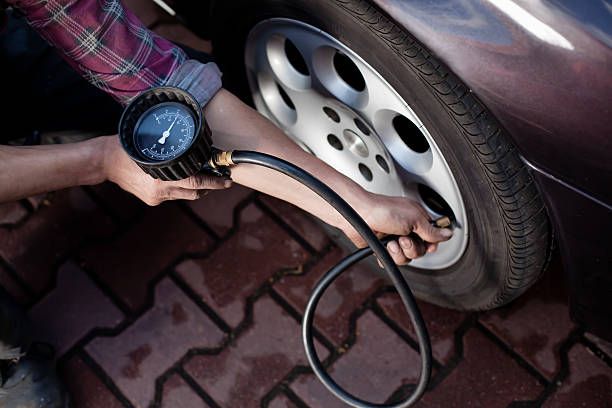
Use a personal tire pressure gauge for accurate readings. These small tools fit in your glove box. Remove the valve cap from the tire. Press the gauge firmly onto the valve stem. Read the pressure on the gauge display. Check all tires, including the spare. Personal gauges work anywhere, anytime.
Maintain Recommended Psi
Check your car manual or door sticker for the recommended PSI. PSI means pounds per square inch. This number shows the correct air pressure for your tires. Inflate tires to this level only. Too much or too little air harms tire performance. Maintain the recommended PSI for safety and tire health.
Credit: www.firestonecompleteautocare.com
Frequently Asked Questions
How Do You Put Air In A Tire At A Gas Station?
Find the recommended PSI on your car door sticker. Park by the air pump. Remove the valve cap. Press the air nozzle onto the valve stem. Squeeze the trigger to add air. Check pressure until it matches PSI. Replace the valve cap.
Repeat for other tires.
How Do You Properly Inflate A Tire?
Check the recommended PSI on your car door sticker. Remove the valve cap and press the air nozzle firmly onto the valve stem. Inflate in short bursts, monitoring pressure until reaching the correct PSI. Replace the valve cap tightly. Repeat for all tires.
Inflate tires when cool for accuracy.
How Do I Know How Much Air Should I Put In My Tire?
Check the recommended PSI on your vehicle’s door jamb sticker. Use a tire pressure gauge to fill air until reaching that PSI. Inflate tires when cold for accuracy. Avoid overinflation by releasing air if needed. Replace valve caps after inflating to protect the valve.
What Is The 3% Tire Rule?
The 3% tire rule means you should not exceed a 3% difference in tire pressure between tires. This ensures balanced handling and safety.
Conclusion
Knowing how to inflate a car tire saves time and keeps you safe. Always check the recommended tire pressure before starting. Use a reliable air pump and monitor the pressure carefully. Inflate your tires in short bursts to avoid overfilling.
Replace the valve cap securely after filling. Regular tire maintenance improves fuel efficiency and tire life. Practice these simple steps whenever your tires need air. Staying prepared helps you handle unexpected flat tires confidently.