How to Inflate a Car Tire at Gas Station: Quick & Easy Guide
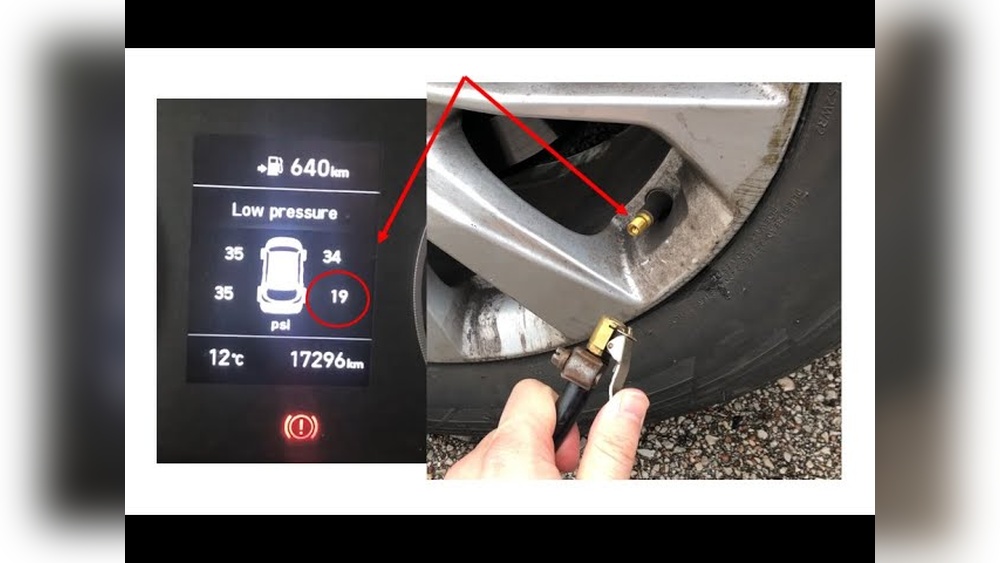
Tires are one of the most important parts of your car, and keeping them properly inflated is key to your safety and fuel efficiency. But what if you notice your tire pressure is low while you’re on the road?
Don’t worry—you can easily inflate your car tire at a gas station, even if you’ve never done it before. In this guide, you’ll learn simple, step-by-step instructions to get your tires back to the right pressure quickly and confidently. By the time you finish reading, you’ll know exactly how to use those air pumps like a pro and avoid common mistakes that many drivers make.
Ready to take control of your tire care? Let’s get started!
Credit: www.youtube.com
Locate The Air Pump
Locating the air pump is the first step to inflate a car tire at a gas station. Most stations have these pumps near the fuel pumps or in a separate corner of the lot. Knowing where to find the air pump saves time and makes the process smoother. Some stations offer free air pumps, while others charge a small fee. Checking the pump’s availability before you start helps avoid frustration.
Finding Free Vs. Paid Pumps
Many gas stations provide free air pumps for customers. These are usually near the main fuel area or close to the store entrance. Paid pumps require coins, tokens, or a card to operate. Look for signs that show if the pump is free or paid. Choosing a free pump can save money, but paid pumps often have newer equipment. Both types work well for filling your tires.
Checking Pump Availability
Not all air pumps are available all the time. Some might be out of order or in use by other drivers. Look at the pump to see if it is ready for use. A screen or light usually indicates availability. If busy, wait or try another pump nearby. Checking availability first helps avoid wasted trips to the pump.
Prepare Your Tire
Before inflating your car tire at the gas station, prepare it properly. This step helps ensure accurate pressure and safe inflation. Simple actions can make a big difference in your tire’s health and driving safety.
Preparing the tire starts with accessing the valve stem. You also need to check if your tire uses regular air or nitrogen. These details affect how you inflate and maintain your tire.
Remove The Valve Cap
Find the valve stem on your tire. It looks like a small metal or rubber nozzle. Twist the valve cap counterclockwise to remove it. Keep the cap safe so you can put it back later. Removing the cap allows you to connect the air pump properly. Without this step, air cannot enter the tire.
Identify Nitrogen-filled Tires
Some tires use nitrogen instead of regular air. Nitrogen helps maintain pressure longer. Check your tire or car manual for nitrogen use. Sometimes, a green valve cap signals a nitrogen-filled tire. Avoid mixing nitrogen tires with regular air. Mixing can reduce the benefits of nitrogen filling. If unsure, ask a mechanic or gas station staff.
Attach The Air Nozzle
Attaching the air nozzle to your car tire is a crucial step in inflating it properly. This process ensures the air flows directly into the tire without leaks. A good connection helps maintain the right pressure and avoids wasting air.
Pressing The Nozzle Firmly
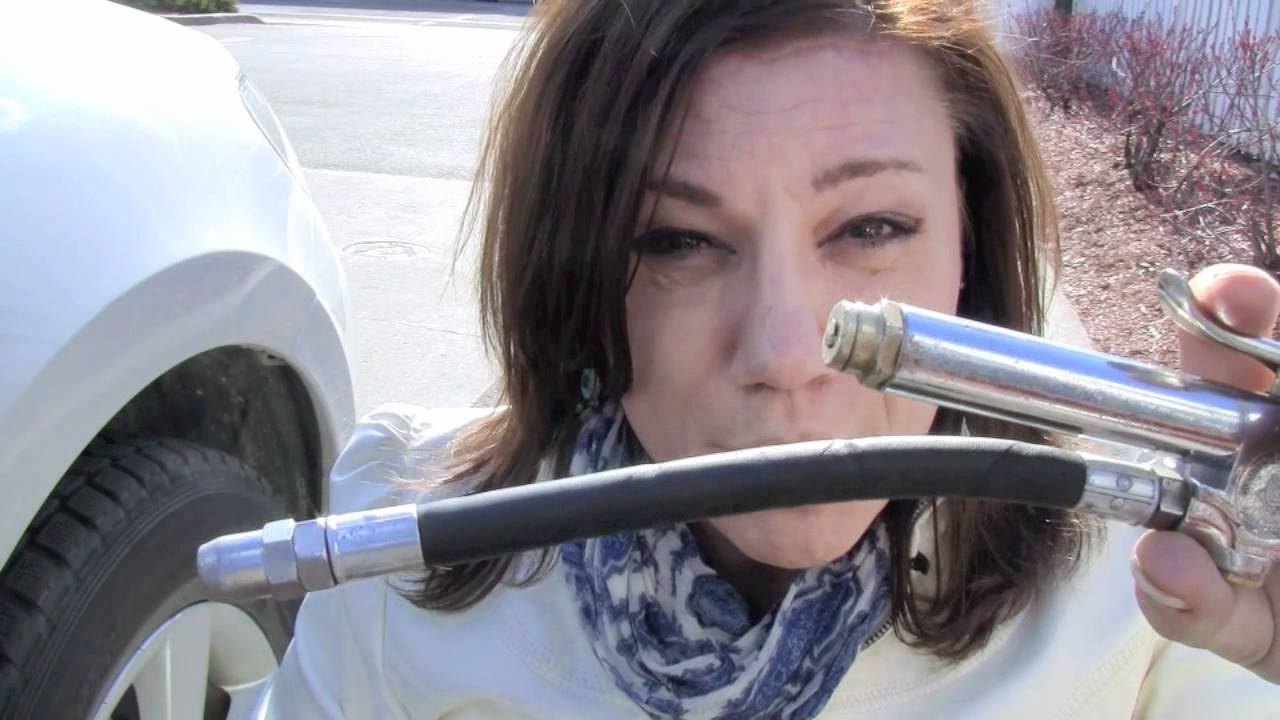
Hold the air nozzle firmly against the tire’s valve stem. Press straight to avoid bending or damaging the valve. A strong, steady press helps the nozzle latch securely.
Do not wiggle the nozzle too much. Keep it stable until you hear the air start to flow. This confirms the nozzle is in place and air is entering the tire.
Ensuring A Tight Seal
Check the connection for any hissing sounds. Hissing means air is escaping and the seal is not tight enough. Adjust the nozzle by pressing a bit more or repositioning it.
A tight seal keeps the inflation efficient and fast. It also prevents dirt and moisture from entering the valve stem. Always double-check the seal before starting to inflate the tire.
Inflate The Tire
Inflating a tire at a gas station requires attention and care. Proper inflation ensures better fuel efficiency and safer driving. Follow simple steps to add air correctly and avoid overinflation or damage.
Pumping In Short Bursts
Start by pressing the air hose nozzle firmly onto the tire valve. Pump air in short bursts instead of a steady flow. This method helps control the pressure and prevents overfilling. After each burst, pause and check the pressure gauge. Repeat the process until the tire reaches the recommended pressure level listed in your car manual or door frame sticker.
Listening For Air Leaks
While inflating, listen closely near the valve for any hissing sounds. A hissing noise means air is escaping from the tire or valve. If you hear leaks, reposition the hose or check the valve core for damage. Fixing leaks early keeps the tire properly inflated and safe on the road. Tighten the valve cap securely after finishing to stop air loss.
Check Tire Pressure
Checking your tire pressure is an important first step before inflating your car tires at a gas station. Proper tire pressure ensures safety, better fuel efficiency, and longer tire life. It only takes a few minutes to check and adjust your tire pressure correctly.
Using A Pressure Gauge
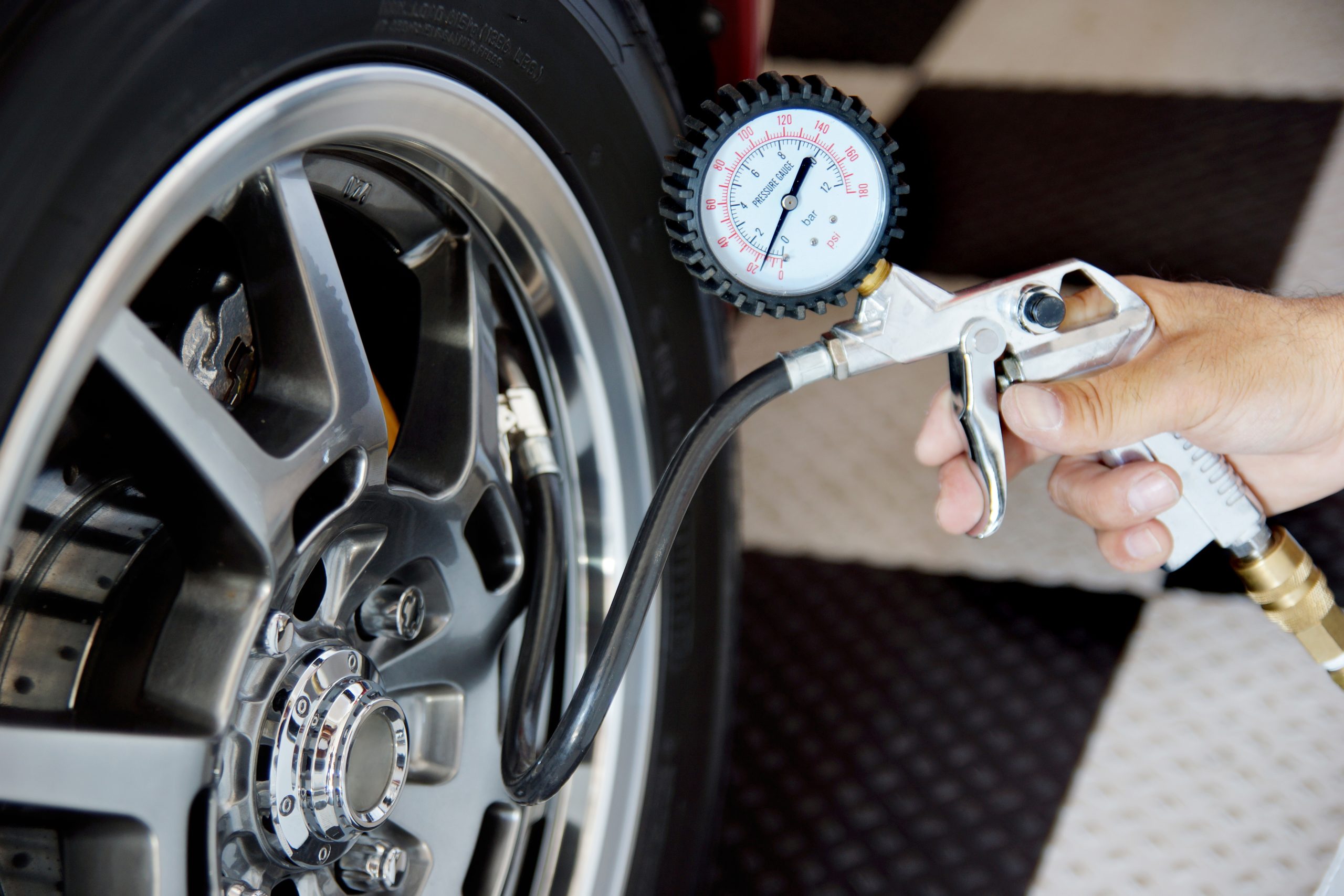
Start by removing the valve cap from your tire. Press a pressure gauge firmly onto the valve stem. The gauge will show the current air pressure inside the tire. Digital or analog gauges work well. Take a note of the number to compare with the recommended pressure.
Finding Recommended Psi
Locate the recommended PSI for your vehicle. Check the sticker inside the driver’s door or the owner’s manual. PSI stands for pounds per square inch and tells you the ideal tire pressure. Use this number to fill your tires accurately at the gas station air pump.
Adjust Air Level
Adjusting the air level in your car tire is an important step. It ensures your tire has the right pressure. Proper tire pressure improves safety and fuel efficiency. It also helps the tire last longer.
Check the pressure gauge on the pump often. Compare it with the recommended pressure for your vehicle. The recommended pressure is usually found on the door frame or in the owner’s manual.
Adding More Air If Needed
Attach the air hose to the tire valve firmly. Press the lever or button to add air. Stop every few seconds to check the pressure. Adding air slowly helps avoid overinflation. Keep checking until the gauge shows the right pressure.
Releasing Excess Air
If the pressure is too high, release some air. Press the valve stem with a small tool or your finger. Let out air in short bursts. Check the pressure again after each release. Repeat until the pressure matches the recommended level.
Finish Up
After you finish adding air to your tire, there are a few important steps to complete. These ensure your tire stays protected and ready for the road. Taking time to finish up properly keeps your car safe and your tires in good shape.
Replace The Valve Cap
Put the valve cap back on the tire’s valve stem. The cap stops dirt and moisture from entering. It also helps prevent air from leaking out. Screw it on tightly but do not over-tighten. This simple step protects your tire and keeps the pressure steady.
Repeat For Other Tires
Check the air pressure on your other tires next. Use the same steps to inflate any that are low. Maintaining correct pressure on all tires improves your car’s handling and fuel efficiency. Make sure to finish each tire by replacing the valve cap. This keeps every tire sealed and secure before you drive away.
Credit: www.vannyorkgm.com
Tips For Nitrogen Tires
Using nitrogen in car tires offers benefits like slower pressure loss and less moisture. These advantages require special care when inflating tires at a gas station. Following simple tips helps keep nitrogen tires effective and safe.
Adding Regular Air Safely
Sometimes, adding regular air to nitrogen tires is needed. Do this only in emergencies or when nitrogen is not available. Add small amounts to avoid lowering nitrogen purity too much. Check tire pressure often after adding regular air. Drive carefully and refill with nitrogen when possible.
Maintaining Nitrogen Purity
Keep nitrogen tires pure by avoiding mixing gases often. Use nitrogen fill stations when possible for best results. Check tire pressure regularly to spot leaks early. Replace valve caps to prevent dirt and moisture from entering. Proper maintenance helps tires last longer and perform better.
Safety Reminders
Safety is the top priority when inflating a car tire at a gas station. Taking simple precautions protects you and your vehicle. It also ensures the tire inflates correctly for safe driving.
Follow these safety reminders before and during the inflation process. They help avoid accidents and tire damage.
Checking Tire Condition
Always inspect the tire before adding air. Look for cuts, cracks, or bulges on the tire surface. These issues can make the tire unsafe to inflate. Do not fill a tire that shows serious damage. Check the tire tread depth too. Worn tread reduces grip and increases risk on the road. If the tire looks damaged or worn out, get it checked by a professional.
Avoiding Overinflation
Use a reliable pressure gauge to measure the tire pressure. Do not rely only on the gas station’s gauge. Overinflating tires can cause them to burst or wear unevenly. Follow the pressure recommended in your car’s manual or on the door sticker. Inflate the tire slowly and stop frequently to check pressure. Remove the air hose carefully to avoid sudden air loss.

Credit: rnrtires.com
Frequently Asked Questions
How To Inflate Tires At A Gas Station?
Find the air pump at the gas station. Remove the valve cap. Press the nozzle firmly onto the valve stem. Inflate in short bursts. Check pressure with a gauge. Replace the valve cap. Repeat for other tires as needed.
Can You Pump Your Car Tires At The Gas Station?
Yes, you can pump your car tires at most gas stations using their air pumps. Check the tire pressure and add air as needed. Some stations may charge a small fee. Always use a gauge to avoid overinflation and screw the valve cap back on after filling.
Can You Fill Your Tires At Any Gas Station?
Yes, you can fill your tires at most gas stations with air pumps. Some offer free service; others may charge a small fee. Always check tire pressure after inflating to ensure it matches your vehicle’s recommended level.
Is It Okay To Put Air In Nitrogen-filled Tires?
Yes, you can add regular air to nitrogen-filled tires safely. It may reduce nitrogen purity and pressure stability. For best results, top off with nitrogen when possible. Always maintain correct tire pressure to ensure safety.
Conclusion
Inflating your car tire at a gas station is simple and quick. Always check the recommended tire pressure first. Use the air pump carefully to avoid overinflating. Regularly inflating tires improves safety and saves fuel. Don’t forget to screw the valve cap back on.
Repeat the process for all tires needing air. Keeping your tires properly inflated helps your car run smoothly. Now you know how to fill your tires with air at any gas station. Drive safely!