Can You Put Seat Covers on Heated Car Seats? Expert Tips Revealed
You love the comfort of heated car seats, especially on chilly mornings. But what if you want to protect your seats with covers?
Can you put seat covers on heated car seats without losing that cozy warmth or risking damage? If you’ve ever wondered whether seat covers will block the heat or harm the heating system, you’re not alone. You’ll discover which types of seat covers work best with heated seats, how to keep your seats safe, and tips to enjoy warmth and protection at the same time.
Keep reading to make the right choice for your car and stay comfortable all winter long.

Credit: www.seatcoversolutions.com
Heated Seats And Seat Covers
Heated seats add comfort on cold days. Many car owners wonder if seat covers work with these warm seats. Using seat covers on heated seats can protect the original upholstery and keep the car interior fresh. Choosing the right type of seat cover is important to keep the heating function safe and effective.
How Heated Seats Work
Heated seats use electric wires sewn inside the seat cushions. When switched on, these wires warm up quickly. The heat spreads evenly across the seat surface. Sensors help keep the temperature steady. This prevents the seat from getting too hot. The system runs on the car’s electrical power.
Types Of Heated Seat Covers
Not all seat covers suit heated seats. Some block heat, while others allow warmth to pass through. Fabric covers often work well because they let heat spread naturally. Leather or vinyl covers may slow heat transfer and cause discomfort.
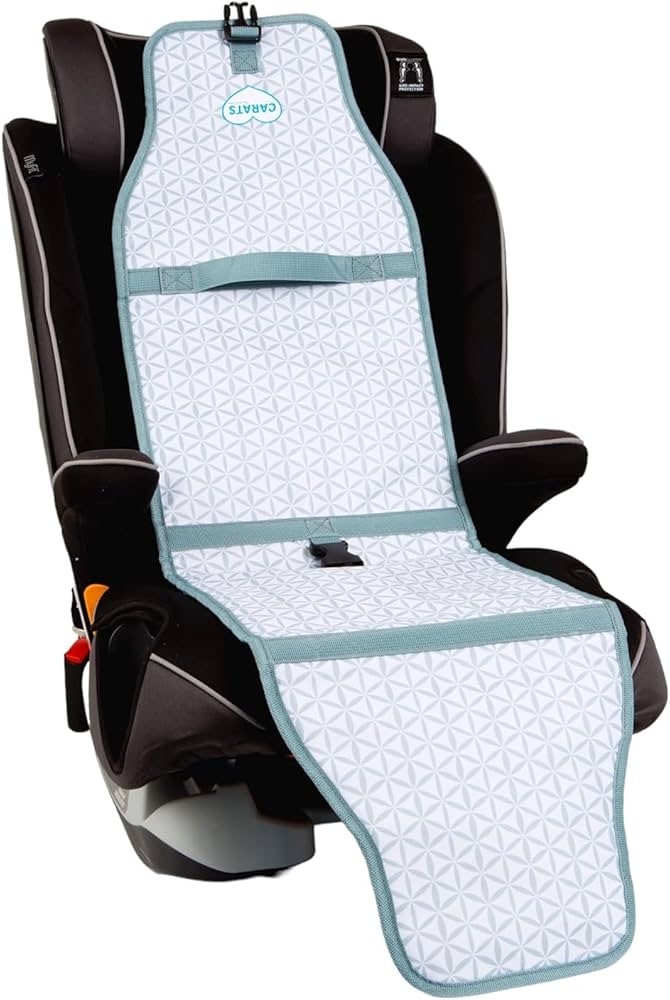
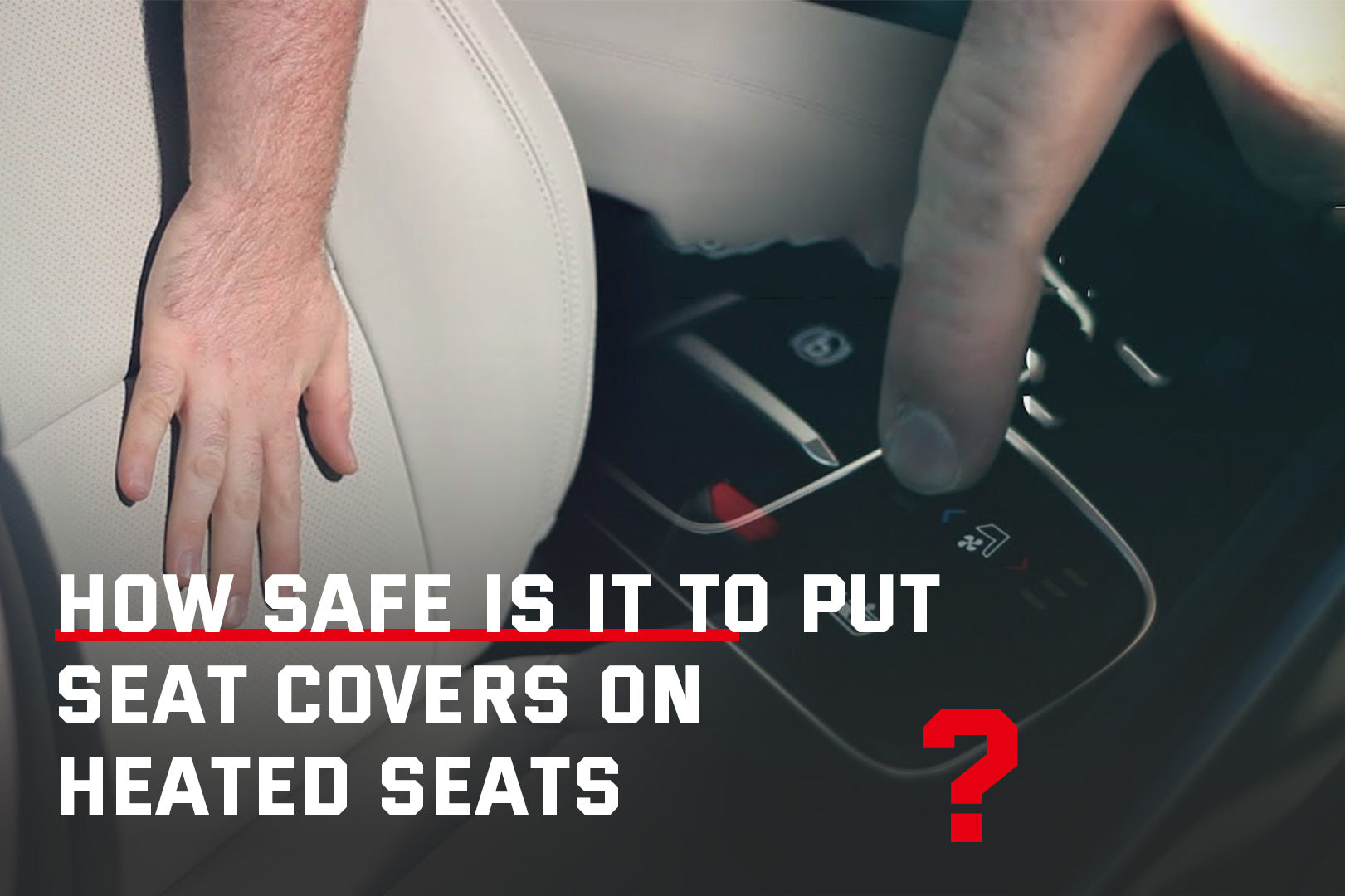
Heated seat covers come in two main types: electric and non-electric. Electric covers plug into the car’s power and have their own heating elements. Non-electric covers rely on the car’s built-in seat heater and must be thin and breathable. Choose covers made for heated seats to avoid damage and ensure comfort.
Credit: freesoo-auto.com
Choosing Compatible Seat Covers
Choosing the right seat covers for heated car seats is essential. The wrong cover can block heat or damage the seat’s heating elements. It helps to know which fabrics and materials work best with heated seats. This ensures comfort and safety while driving.
Fabric Options For Heated Seats
Some fabrics handle heat better than others. Look for breathable materials like cotton or mesh blends. These fabrics allow heat to pass through and keep you comfortable. Avoid thick or dense fabrics that trap heat and reduce warmth.
Materials That Transfer Heat Well
Materials like leather and certain synthetic leathers transfer heat smoothly. They warm up quickly and spread heat evenly. Suede and microfiber also work well with heated seats. These materials balance comfort and heat transfer effectively.
Avoiding Heat Blockage
Seat covers should never block the heat from reaching you. Thick padding or foam layers can stop heat flow. Thin, flexible covers allow heat to pass through easily. Choose covers designed specifically for heated seats to avoid damage and discomfort.
Safety Concerns With Seat Covers
Using seat covers on heated car seats raises important safety questions. The interaction between the seat cover material and the seat heater can cause problems. Understanding these safety concerns helps protect you and your vehicle. This section covers key risks to consider before adding covers to heated seats.
Risk Of Overheating
Seat covers can trap heat from the heated seat. This may cause the seat to get hotter than designed. Overheating can damage the seat’s heating elements. It also reduces comfort by making the seat too hot to sit on. Choosing covers that allow heat to pass through can reduce this risk.
Fire Hazards
Some seat covers are made from flammable materials. Combined with overheating, this can create a fire risk. Faulty seat heaters or damaged wiring can worsen this danger. Always use seat covers made for heated seats and check your car’s heater regularly. Avoid covers that block heat sensors or vents.
Skin And Health Issues
Excess heat trapped by seat covers can harm your skin. Prolonged exposure to heat can cause burns or “toasted skin syndrome.” This condition leads to dark patches on the skin. Heat and pressure together can worsen circulation problems. People with nerve damage may not feel the heat and get injured.
Maintaining Heated Seats With Covers
Using seat covers on heated car seats helps protect the upholstery and maintain the seat’s condition. Covers can shield seats from spills, dirt, and wear while allowing you to enjoy warmth. Proper care ensures your heated seats keep working well under the cover. Follow simple steps for installation, cleaning, and protection.
Proper Installation Tips
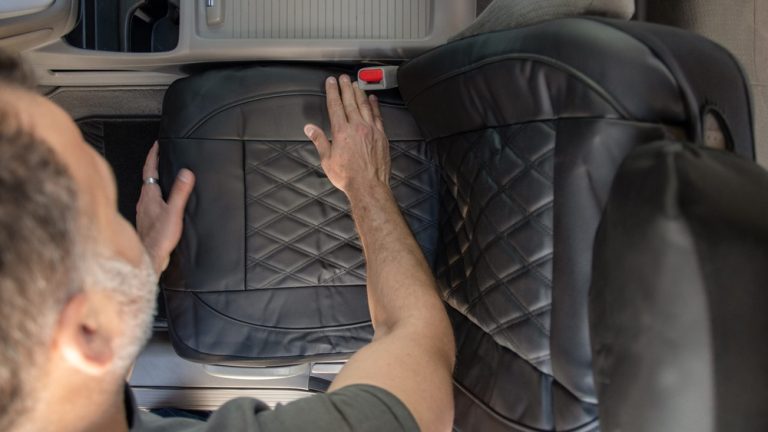
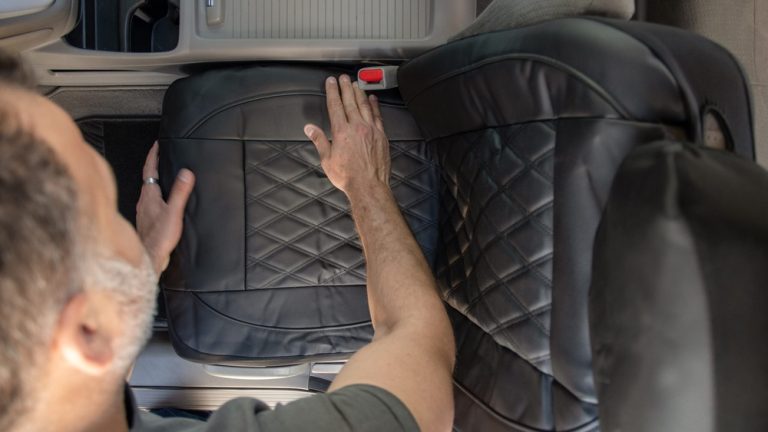
Choose seat covers made for heated seats to allow heat flow. Avoid thick or heavy materials that block heat. Fit covers tightly without stretching or pulling wires. Secure covers with straps or fasteners that do not press on heating elements. Check the cover’s instructions for any special installation advice. A good fit keeps the seat comfortable and the heater working.
Cleaning And Care
Remove covers regularly to clean and air out seats. Use gentle cleaners safe for the cover material and seat fabric. Avoid soaking or harsh chemicals that can damage wires or foam. Let covers dry completely before putting them back on. Clean seats occasionally with a soft brush or cloth. Proper cleaning prevents dirt buildup and keeps seats fresh.
Avoiding Damage To Heating Elements
Do not fold or crease covers over heating wires. Avoid sharp objects or heavy pressure on seat areas with wires. Do not use covers with metal parts that can puncture the seat. Inspect covers and seats often for signs of wear or damage. Turn off heated seats before installing or removing covers. Careful use protects wires and prevents malfunctions.
Benefits And Drawbacks
Using seat covers on heated car seats offers clear benefits and some drawbacks. It can protect your original upholstery but may affect heating performance. Comfort changes depend on the cover material and fit. Understanding these factors helps you decide the best choice for your car.
Protecting Your Seats
Seat covers shield your seats from spills, dirt, and wear. They extend the life of your car’s upholstery. Covers also prevent damage from pets and sharp objects. This protection keeps your car looking newer longer. It saves money on repairs and cleaning.
Heat Efficiency Impact
Seat covers may reduce heat transfer from the seat to your body. Thick or non-breathable materials block warmth. This causes the heater to work harder or feel less effective. Thin, heat-friendly fabrics allow better heat flow. Choose covers designed for heated seats to maintain warmth.
Comfort Considerations
Comfort depends on the cover’s texture and fit. Some materials feel soft and cozy, adding comfort. Others may feel stiff or cause sweating during use. Poor fit can cause slipping and discomfort. Properly fitted covers improve comfort while using heated seats.
Expert Recommendations
Experts offer clear advice on using seat covers with heated car seats. Their tips help maintain safety and comfort. Following expert recommendations ensures your heated seats work well and last longer.
Best Practices For Use
Choose seat covers made for heated seats. Thin, breathable materials work best. Avoid thick or insulated covers that block heat. Install covers properly to avoid damage. Regularly check seat covers for wear or tears. Clean covers according to instructions to keep them safe.
When To Avoid Seat Covers
Do not use seat covers if your heating system is old or faulty. Avoid covers on seats with built-in airbags. Stay away from covers that trap heat excessively. If you feel the seat gets too hot, remove the cover. People with skin issues should be cautious with heated seats and covers.
Consulting Manufacturer Guidelines
Always read your car and seat cover manuals. Follow the car maker’s advice on heated seats and covers. Use seat covers approved or recommended by the manufacturer. Check warranty details to avoid voiding coverage. Contact customer support for questions about compatibility.
Credit: www.seatcoversolutions.com
Frequently Asked Questions
What Kind Of Seat Covers Can You Use With Heated Seats?
Use thin, breathable fabric, neoprene, or leatherette seat covers designed for heated seats. Avoid thick or insulated materials.
What Are The Disadvantages Of Heated Seats?
Heated seats can cause burns, skin discoloration, and worsen circulation or nerve issues. They drain battery power and risk malfunctions. Prolonged use may cause discomfort, drowsiness, and dry cabin air. Repair costs can be high, and children face higher burn risks.
Can You Still Feel Heated Seats With Seat Covers?
Yes, you can feel heated seats through seat covers, but effectiveness depends on cover material and thickness. Thin, breathable covers transfer heat well. Thick or insulated covers may reduce warmth. Choose covers designed for heated seats to maintain comfort and safety.
Can You Put Seat Covers On Leather Heated Seats On A Toyota?
Yes, you can put seat covers on leather heated seats in a Toyota. Choose covers designed for heated seats to ensure safety and heat transfer. Avoid thick or non-breathable materials to prevent overheating and damage to the heating elements.
Conclusion
Seat covers can protect your heated seats if chosen carefully. Use covers made from materials that allow heat to pass through. Avoid thick or insulated covers that block heat and damage the system. Always check manufacturer guidelines before buying seat covers.
Proper seat covers keep you warm and protect your seats long-term. Stay safe and comfortable by selecting the right covers for heated seats.