How to Choose Car Seat

Choosing the right car seat covers can do much more than just refresh the look of your vehicle’s interior. The right covers protect your seats from damage, make cleaning easier, and even affect your driving comfort. But with so many materials, styles, and features available, picking the best car seat covers can feel confusing.
This guide will help you navigate all the important factors, avoid common mistakes, and make a confident choice that fits both your car and your lifestyle.
Why Car Seat Covers Matter
Car seat covers are not just about style. They play a key role in protecting your seats from wear, spills, sun, pet hair, and dust. With time, even the toughest seat materials can crack or fade. Good covers help maintain resale value, making it easier to sell or trade your car later. For families, pet owners, and people who spend hours in traffic, the right cover can make a big difference in everyday comfort and cleanliness.
Understanding Your Needs
Before you start shopping, think about how you use your car. Do you have kids or pets? Do you live in a hot or cold climate? Is your daily commute long? Your personal needs should guide your choices more than just how the cover looks.
Common Scenarios
- Families: Look for water-resistant, easy-to-clean materials.
- Pet Owners: Choose tough, scratch-resistant fabrics.
- Outdoor Enthusiasts: Consider covers that protect against mud, sand, or sweat.
- Luxury Car Owners: Focus on covers that match or upgrade the car’s elegance.
- Ride-Share Drivers: Durability and easy cleaning are top priorities.
Credit: bmcarcover.com
Types Of Car Seat Covers
There are three main types of car seat covers. Understanding the differences helps you decide what’s right for your vehicle.
| Type | Fit | Pros | Cons |
|---|---|---|---|
| Universal Fit | Fits many models | Affordable, easy to find | May not fit perfectly |
| Semi-Custom Fit | Designed for car type | Better fit, more options | May cost more |
| Custom Fit | Made for your car | Perfect fit, best protection | Most expensive, longer wait |
Universal covers are best for quick solutions or if you plan to change them often. Custom covers are ideal for a long-term investment or for cars with non-standard seats.
Choosing The Right Material
Material is the most important factor for both comfort and durability. Each fabric has unique qualities. Let’s compare the most popular options:
| Material | Best For | Strengths | Weaknesses |
|---|---|---|---|
| Leather | Luxury, easy cleaning | Elegant look, wipes clean | Expensive, hot in summer |
| Neoprene | Active lifestyles | Waterproof, soft, durable | Limited colors, costs more |
| Canvas | Pets, heavy use | Very tough, resists dirt | Less stylish, rough feel |
| Velour | Comfort, colder climates | Soft, warm, affordable | Harder to clean, can fade |
| Polyester | General use, budget | Cheap, many styles | Less durable, basic look |
Non-obvious insight: Neoprene is the same material used for wetsuits. It’s not only waterproof but also resists UV rays, which means your seats won’t fade as quickly—even if you park outside.
Important Features To Consider
It’s easy to focus only on color or price, but other features can make a big difference in daily use. Here are some points you should not ignore:
1. Ease Of Installation
Some covers slide on in minutes, while others need straps, hooks, or even professional help. If you plan to remove and wash often, pick a design with simple fasteners.
2. Cleaning And Maintenance
Machine-washable covers are best for families and pet owners. Leather and faux leather wipe clean with a cloth, but some fabrics stain easily.
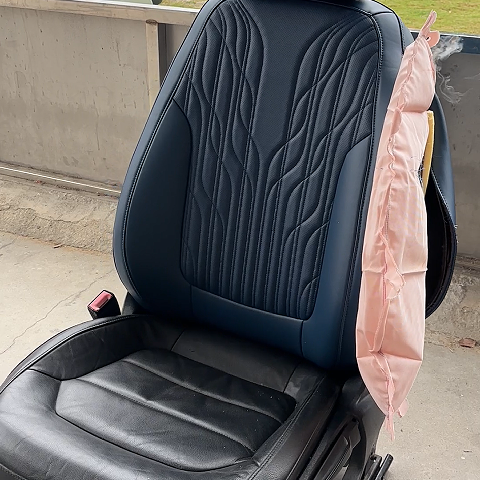
3. Compatibility With Airbags
Modern cars often have side airbags built into the seats. Not all covers support this. Look for “side airbag compatible” on the label.
4. Heating And Cooling
If your seats are heated or ventilated, confirm that the cover will not block these features. Some materials, like thick canvas, can trap heat.
5. Color And Style
Light colors show stains, but dark colors fade faster in sunlight. Neutral colors match most interiors, while bright colors can personalize your car.
6. Warranty And Return Policy
A warranty shows confidence in quality. Check the seller’s return policy in case the fit isn’t right.
Pro tip: Even “universal” covers fit better in some vehicles than others. Check online reviews from people with the same make and model as your car.
Measuring For The Perfect Fit
Many people guess the size or just pick by car type, but seat shapes and sizes can vary even within the same brand. Here’s how to measure:
- Width: Measure the widest part of the seat (usually the bottom).
- Depth: Measure from front to back of the seat base.
- Height: Measure from where your back touches the seat to the top of the headrest.
Check if your car has split rear seats, built-in armrests, or special headrests. These features need covers with the right openings or zippers.
Common Buyer Mistakes To Avoid
1. Ignoring Airbag Compatibility
Some covers block the airbag, making your car less safe. Always double-check this feature.
2. Choosing Looks Over Function
A stylish but hard-to-clean cover can become a headache if you spill coffee or travel with kids.
3. Buying The Cheapest Option
Ultra-cheap covers often use thin fabric that rips quickly. Spending a little more usually saves money in the long run.
4. Forgetting About Maintenance
If you’re not willing to hand-wash or air-dry, pick machine-washable materials.
5. Not Checking Fit Before Buying
Don’t assume “one size fits all” will work. Always check the manufacturer’s sizing chart.
Extra insight: Some covers include foam padding for extra comfort. But thick padding can make seatbelts and buckles harder to use. Try to find a balance.
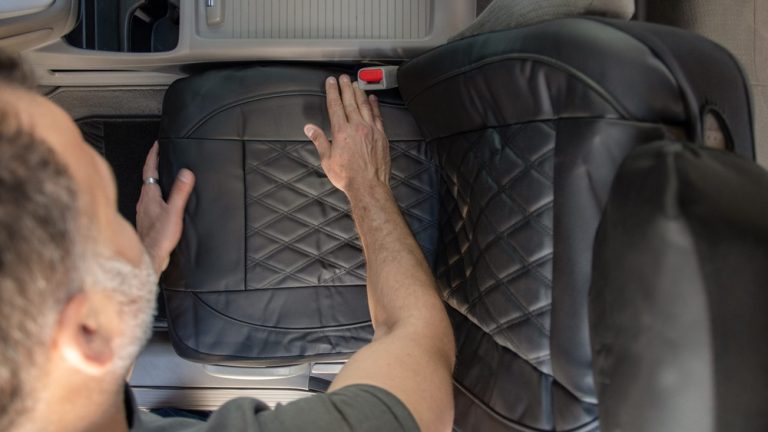
Tips For Installation
Even the best covers can look bad if not installed correctly. Here’s how to get a neat, secure fit:
- Remove headrests if possible.
- Slide the cover over the seat back first, then the base.
- Use all provided hooks or straps to anchor the cover tightly.
- Cut small holes for headrest posts if needed—never cut near seams or airbag locations.
- Replace headrests and check for any shifting or bunching.
Some covers come with an installation video or detailed instructions. Follow these closely, especially for custom-fit covers.
Credit: hkzauto.com
Maintenance And Cleaning
Proper cleaning keeps your covers looking new. Each material is different:
- Leather: Wipe with a damp cloth and mild soap. Avoid harsh cleaners.
- Neoprene: Machine wash on cold, air dry. Never use bleach.
- Canvas: Vacuum often; spot clean with a brush.
- Velour/Polyester: Most are machine washable. Check the label.
Don’t forget: Clean spills quickly to prevent stains from setting. For pet hair, a lint roller or rubber glove works better than a vacuum.
When To Replace Your Seat Covers
Even the best covers wear out over time. Replace them if:
- The fabric is torn or worn thin
- Straps or hooks break and can’t be fixed
- The cover no longer stays in place
- There’s a permanent smell or stain that won’t come out
Changing your covers every few years keeps your car fresh and comfortable.

Credit: otomcarseatcovers.com
Popular Brands And Where To Buy
Some well-known brands for quality car seat covers include Coverking, FH Group, Wet Okole, and Saddleman. You can find them at auto parts stores, big online retailers, or directly from the brand’s website. Check customer reviews, especially from people with the same car model as yours.
For more information on car seat cover safety standards, you can visit the Automobile Seat Wikipedia page.
Frequently Asked Questions
How Do I Know If A Car Seat Cover Will Fit My Car?
Always check the cover’s packaging or product page for a list of compatible vehicles. Many sellers also offer a fit guide online. Measuring your seats and comparing them to the cover’s dimensions is the safest way to ensure a good fit.
Can Car Seat Covers Interfere With Heated Or Ventilated Seats?
Some thick or non-breathable covers can block heating and cooling functions. Look for covers labeled as “heated seat compatible” or “ventilated seat friendly. ” Thinner materials like polyester usually work better with these features.
Are Car Seat Covers Safe With Airbags?
Yes, but only if they’re labeled as side airbag compatible. These covers have special stitching that splits open during an airbag deployment. Never use a cover that blocks airbag openings.
How Often Should I Clean My Car Seat Covers?
For most people, cleaning every 1-2 months is enough. If you have kids, pets, or allergies, you may need to wash them more often. Always follow the care instructions for your specific material.
What’s The Best Material For Car Seat Covers If I Have Pets?
Canvas and neoprene are the top choices for pet owners. Both resist scratches, shed hair easily, and are simple to clean. Avoid velour or light colors, which can trap hair and show stains.
Choosing the right car seat covers isn’t just about style—it’s about comfort, safety, and protecting your investment. Take time to understand your needs, compare materials and features, and measure carefully. With the right information, you’ll find covers that keep your car looking and feeling great for years.