How to Inflate Car Tire: Quick & Easy Steps for Safe Driving
Have you ever noticed your car feeling sluggish or your fuel efficiency dropping? One common cause might be underinflated tires.
Knowing how to inflate your car tires properly is a simple skill that can save you money, improve safety, and extend the life of your tires. Whether you’re at a gas station or using a portable inflator, this guide will walk you through the easy steps to get your tires pumped to the right pressure.
Stick with me, and by the end, you’ll feel confident handling your car’s tire inflation anytime, anywhere. Let’s get started!
Credit: heartautocare.com
Check Recommended Tire Pressure
Checking the recommended tire pressure is a key step before inflating your car tires. Proper pressure keeps your tires safe and extends their life. It also improves fuel efficiency and driving comfort. Always use the correct pressure to avoid problems on the road.
Each car has a specific tire pressure recommendation. This number tells you the ideal air pressure in pounds per square inch (PSI). Using this number helps you fill your tires just right.
Locate Psi On Driver’s Door
Open the driver’s door and look for a sticker on the frame or door edge. This sticker shows the recommended PSI for your tires. It usually lists front and rear tire pressures. Write these numbers down or remember them. They guide you during inflation.
Understand Ideal Pressure
The ideal tire pressure varies by car model and load. The number on the sticker is the best pressure for normal driving. Do not use the number on the tire sidewall. That number shows the maximum pressure, not the ideal one. Always follow the car’s recommended PSI for best results.
Prepare Your Vehicle
Preparing your vehicle is an important first step before inflating your car tires. Proper preparation ensures safety and accuracy when adding air. It also helps prevent damage to your tires and improves the lifespan of your vehicle’s wheels.
Taking the time to prepare will make the inflation process easier and more effective. Follow simple guidelines to get your car ready for tire inflation.
Park Near Air Pump
Find a flat, stable surface close to the air pump. Parking near the pump makes it easier to reach all tires. Avoid parking on slopes or soft ground. Position your vehicle so the valve stems are easily accessible. This saves time and effort during inflation.
Ensure Tires Are Cool
Check that your tires are cool before inflating. Heat causes air inside tires to expand, giving a false pressure reading. Wait at least three hours after driving before adding air. Inflating hot tires can lead to overinflation. Cool tires allow you to get the correct pressure for safe driving.
Remove Valve Caps
Removing the valve caps is the first step in inflating your car tire. Valve caps protect the valve stem from dirt and moisture. Taking them off carefully ensures you don’t lose them and can access the valve easily. Keep the caps safe for later use to maintain your tire’s health.
Unscrew Valve Stem Caps
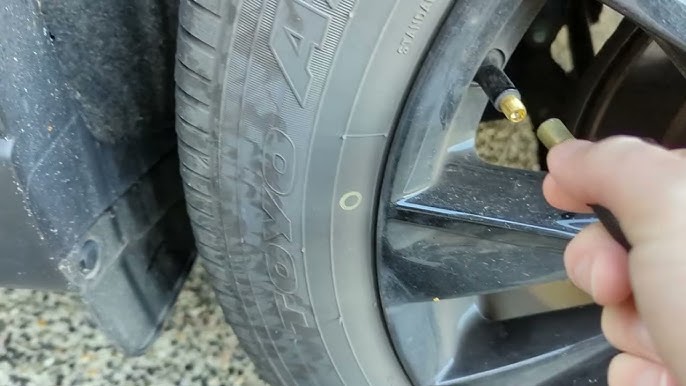
Turn the valve cap counterclockwise to unscrew it. Use your fingers to loosen it gently. Avoid using tools that can damage the cap or valve. Set the cap aside carefully on a clean surface. This prevents losing it while you add air to the tire.
Keep Caps Safe
Place the valve caps in your pocket or a small container. This keeps them from falling or getting dirty. Keeping the caps safe helps protect your valve from dust and debris. Always put the caps back after inflating the tire to avoid air leaks.

Credit: www.acg.aaa.com
Attach Air Pump Nozzle
Attaching the air pump nozzle is a key step in inflating your car tire. It ensures air flows correctly into the tire. This process requires care to avoid air leaks and ensure proper inflation.
Firmly Press Nozzle On Valve
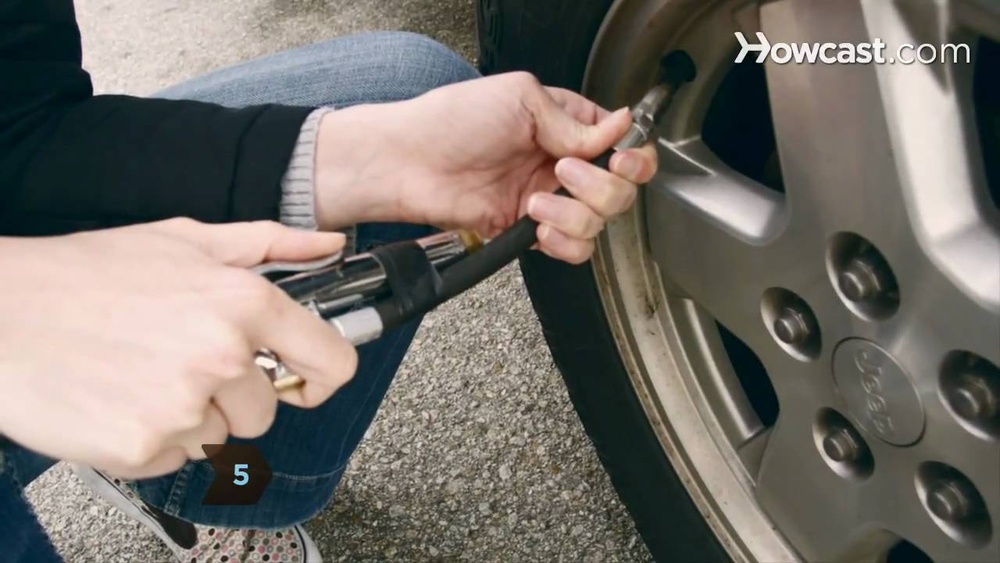
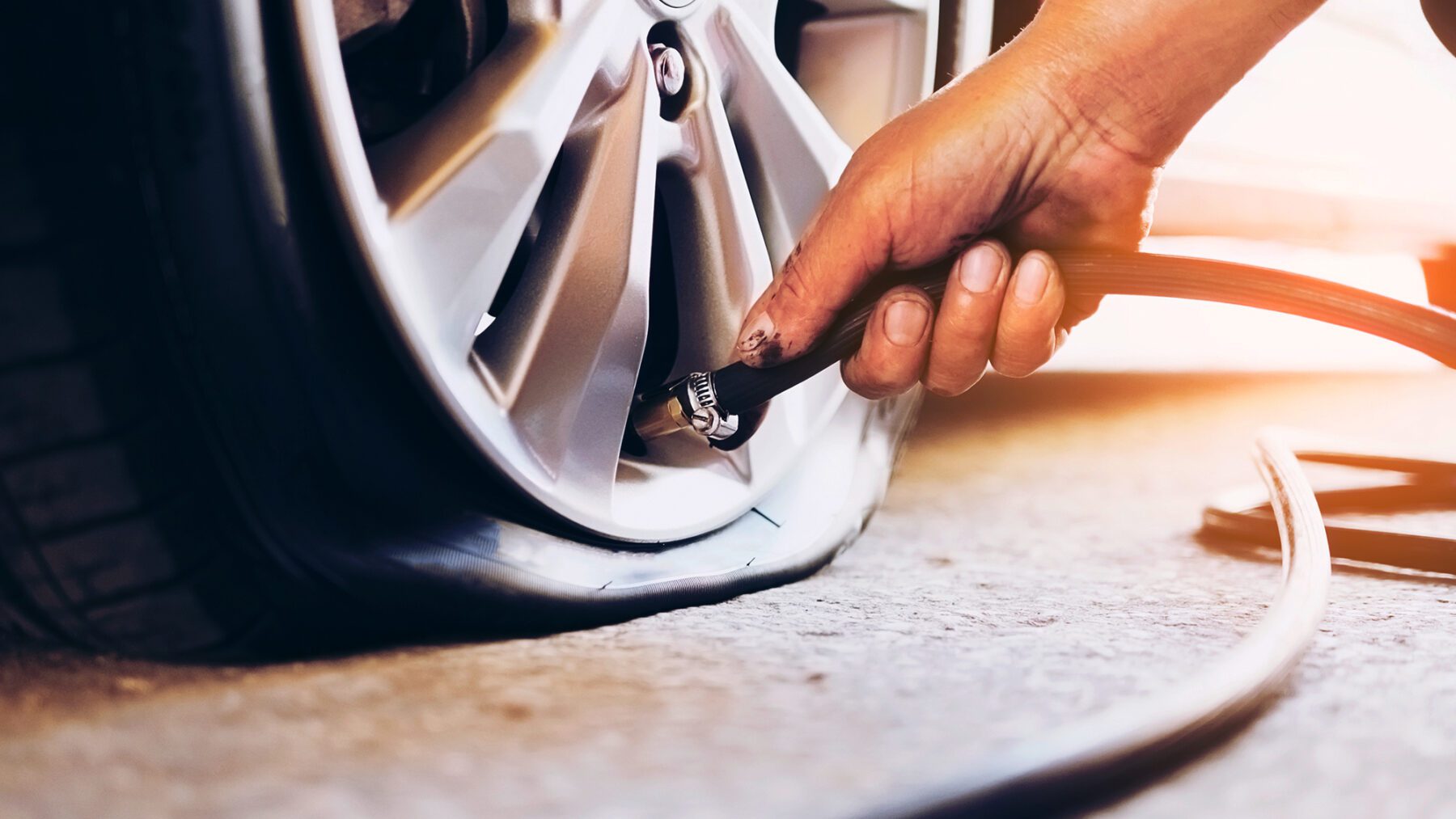
Hold the air pump nozzle tightly. Push it straight onto the tire’s valve stem. A secure fit stops air from escaping. Make sure the nozzle covers the valve completely. Pressing firmly helps create a tight seal.
Listen For Air Hissing
Once the nozzle is attached, listen closely. A gentle hissing sound means air is escaping. Adjust the nozzle if you hear hissing. A quiet seal means air is entering the tire properly. Stop adjusting when the sound stops.
Inflate Tires Properly
Inflating your car tires properly keeps your vehicle safe and improves fuel efficiency. Correct tire pressure helps your tires last longer and drives smoothly. Follow simple steps to avoid over or under-inflation. Use the right method to keep pressure steady and accurate.
Squeeze Trigger In Short Bursts
Press the air pump trigger gently in short bursts. This lets you control the air flow better. Avoid holding the trigger down too long. It helps prevent adding too much air too fast. Pause between bursts to check the pressure. This method keeps inflation safe and precise.
Use Automatic Pump Settings
Many gas station pumps have automatic settings for pressure. Set the pump to your car’s recommended PSI. The pump will stop when it reaches that pressure. This feature reduces guesswork and saves time. Always double-check the pressure after inflation. Automatic settings make the process easier and more accurate.
Monitor Pressure Gauge
Watch the pressure gauge closely during inflation. The gauge shows the tire pressure in real time. Stop adding air once the gauge hits the recommended PSI. Do not rely only on the pump’s automatic stop. Sometimes the gauge can be off. Use a separate tire pressure gauge for best results.
Credit: www.youtube.com
Adjust Air Pressure
Adjusting the air pressure in your car tire is a key step to ensure safe and efficient driving. Proper pressure keeps your tire in good shape and improves fuel efficiency. It also helps your car handle better on the road. Overinflated or underinflated tires can cause uneven wear and reduce tire life. Checking and adjusting the pressure regularly keeps your tires healthy.
Use a reliable tire pressure gauge to check the air inside. Compare the reading to the recommended PSI found on your car’s door sticker. Then, either add air or release some to reach the correct level. This simple action can make a big difference in your driving safety.
Release Excess Air If Overfilled
Too much air in the tire can cause a harsh ride and uneven wear. To fix this, press the small pin inside the valve stem with a tool or your fingernail. Air will escape slowly. Check the pressure often while releasing air to avoid letting out too much. Stop when the pressure matches the recommended PSI.
Aim For Correct Psi
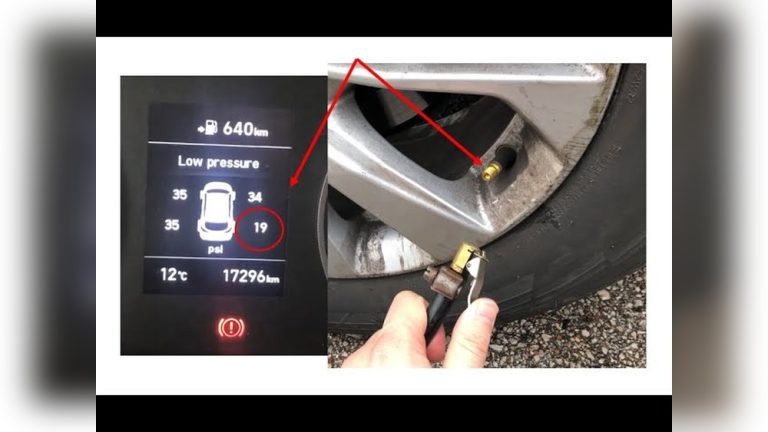
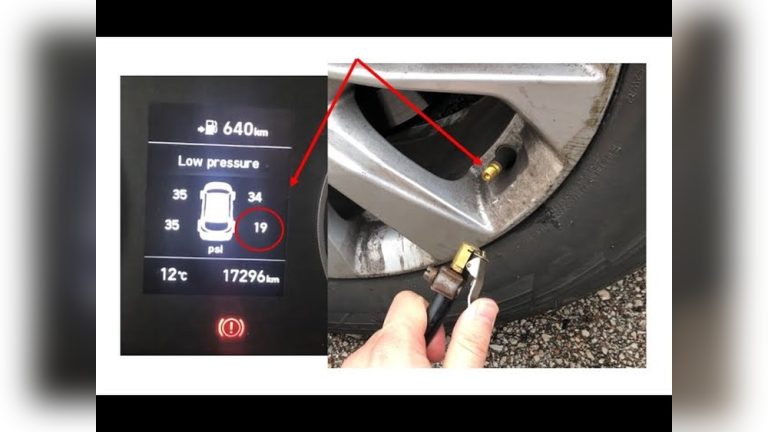
Correct PSI means the pressure recommended by your car’s manufacturer. This number is on the driver’s side door frame or in the owner’s manual. Use a pressure gauge to measure. Add air in short bursts if the tire is low. Check the pressure after each burst. Keep adjusting until the gauge reads the correct PSI.
Replace Valve Caps
Replacing valve caps is a simple but important step after inflating your car tire. Valve caps protect the valve stem from damage and dirt. Keeping them in place helps maintain proper tire pressure for longer. Without valve caps, air may escape slowly, causing your tires to lose pressure over time.
Always replace the valve caps tightly to ensure a good seal. This prevents air leaks and keeps your tires safe. Properly secured caps also stop dust and moisture from entering the valve. This small action can save you from frequent tire pressure checks and refills.
Screw Caps Back Tightly
After inflating your tire, screw the valve cap back on firmly. Turn it until it feels snug. Avoid over-tightening, which can damage the valve. A tight fit prevents air from leaking out. Make sure the cap is straight and not cross-threaded. This simple step helps keep your tire pressure steady.
Prevent Dirt And Debris
Valve caps act as a shield against dirt and debris. Dust, mud, and water can enter the valve stem without a cap. This can cause valve damage or blockages. A blocked valve may stop air from flowing properly. Always replace caps to keep your valves clean. Clean valves help keep your tires in good condition.
Repeat For All Tires
Inflating one tire is just the beginning. To keep your car safe and running smoothly, you must repeat the process for all tires. Each tire plays a role in how your car handles and brakes. Uneven pressure can cause problems. Take time with each tire. This effort ensures your vehicle stays balanced and stable on the road.
Check Each Tire Individually
Start by inspecting each tire one by one. Remove the valve cap and attach the air pump nozzle firmly. Fill the tire with air while watching the pressure gauge. Stop when you reach the recommended PSI. Replace the valve cap tightly. Repeat these steps for every tire to avoid missing one.
Maintain Balanced Pressure
Balanced tire pressure helps your car perform better. Unequal pressure causes uneven tire wear and poor handling. Always use the recommended PSI found on the driver’s door sticker. Check your tires regularly to keep the pressure steady. Balanced tires improve fuel efficiency and extend tire life. Take care of all tires equally for best results.
Tips For Tire Safety
Maintaining tire safety is essential for a smooth and secure drive. Proper tire inflation helps avoid accidents and improves fuel efficiency. Follow these simple tips to keep your tires in great condition and ensure your safety on the road.
Check Pressure Regularly
Check tire pressure at least once a month. Use a reliable tire pressure gauge for accuracy. Always measure pressure when tires are cold for best results. Proper pressure prevents uneven tire wear and blowouts.
Use Proper Equipment
Use a quality air compressor or pump designed for car tires. Avoid using bicycle pumps, as they may not provide correct pressure. Ensure the nozzle fits well on the valve stem to prevent air leaks. Carry a pressure gauge in your car for quick checks.
Avoid Overinflation
Do not inflate tires beyond the recommended PSI. Overinflated tires reduce traction and increase wear in the center of the tread. Follow the car manufacturer’s guidelines found on the driver’s door or manual. Correct inflation balances safety and tire lifespan.
Frequently Asked Questions
How Do You Put Air In A Tire At A Gas Station?
Check your car’s recommended PSI on the driver’s door. Park by the air pump and remove the valve cap. Press the air nozzle firmly on the valve stem. Squeeze the trigger in short bursts while monitoring pressure. Stop at the correct PSI and replace the valve cap.
Repeat for other tires.
What Is The 3% Rule For Tires?
The 3% rule for tires means tire pressure should be maintained within 3% of the recommended PSI. This ensures safety and optimal performance.
How To Know What Pressure To Inflate Car Tires To?
Check the recommended PSI on your car’s driver door sticker. Inflate tires when cold using an air pump. Monitor pressure until it matches the recommendation. Replace valve caps securely after inflating all tires.
Do You Put Air In Tires When Cold?
Yes, put air in tires when they are cold for accurate pressure. Cold tires give a true reading and prevent overinflation. Check the recommended PSI on your car’s door sticker before inflating. Inflate slowly and recheck pressure to reach the correct level.
Conclusion
Properly inflating your car tires improves safety and saves fuel. Always check the recommended PSI before adding air. Use a reliable air pump and avoid overinflating. Regularly inspect your tires to keep them in good condition. This simple task helps your car perform better and lasts longer.
Stay safe on the road by keeping tire pressure in check. Practice these easy steps whenever you fill your tires with air.