What are Car Seat Covers for: Ultimate Protection and Style Tips
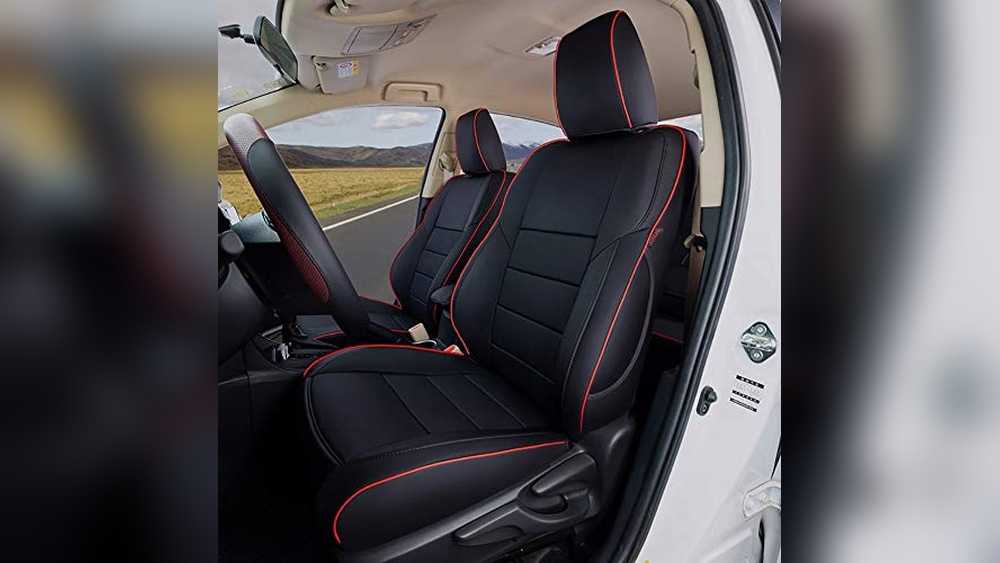
Have you ever wondered why car seat covers are so popular? If you want to keep your car looking fresh, protect your investment, or simply add a touch of comfort and style, car seat covers are your secret weapon.
They do much more than just cover your seats—they guard against spills, stains, sun damage, and everyday wear and tear. Whether you have kids, pets, or just want to maintain your car’s resale value, the right seat cover can make a huge difference.
Curious to learn how car seat covers work and why you might need one? Keep reading to discover all the ways they can protect your car and enhance your driving experience.
Purpose Of Car Seat Covers
Car seat covers serve multiple important roles in any vehicle. They shield the seats from damage and keep the interior looking fresh. Many drivers use them to add comfort and style. Covers also make cleaning easier and help maintain the car’s value over time. Each purpose plays a key part in protecting and enhancing your ride.
Protecting Upholstery
Car seat covers guard the original seat fabric against spills and stains. They prevent wear from daily use and keep the seats safe from dirt and damage. Covers also protect against sun fading and scratches, extending the life of your upholstery.
Maintaining Resale Value
Keeping your car seats in good shape helps retain the vehicle’s resale value. Clean, undamaged seats make your car more attractive to buyers. Seat covers reduce visible wear and tear, preserving the interior’s condition for years.
Enhancing Comfort
Many seat covers add extra padding and softness. They improve driving comfort on long trips or daily commutes. Some covers also regulate temperature, keeping seats cooler in summer and warmer in winter.
Customizing Interior Style
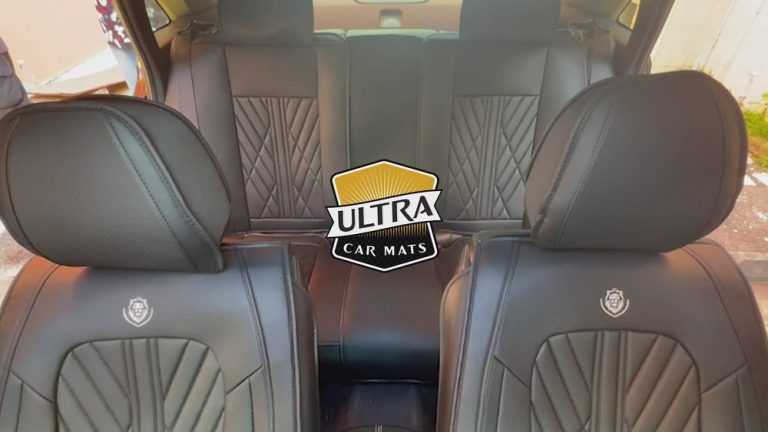
Car seat covers offer a simple way to change your vehicle’s look. They come in many colors, patterns, and materials. Covers let you match your personal style or refresh an old interior quickly and affordably.
Facilitating Easy Cleaning
Seat covers are easier to clean than original upholstery. Most can be removed and washed or wiped down. This convenience helps keep your car interior neat and fresh without much effort.
Credit: coversandcamo.com
Types Of Car Seat Covers
Car seat covers come in many types to suit different needs. They protect seats from dirt, spills, and wear. Each type offers unique benefits and fits various users.
Choosing the right cover can improve comfort and keep your car interior looking new. Below are some common types of car seat covers.
Universal Fit Covers
Universal fit covers suit most car seats. They offer basic protection and are easy to install. These covers come in many colors and materials. They are affordable and good for general use.
Custom Fit Covers
Custom fit covers are made for specific car models. They fit perfectly and look like original seats. These covers offer better protection and comfort. Many materials and designs are available for customization.
Waterproof Covers
Waterproof covers protect seats from spills and moisture. They are ideal for wet or messy conditions. Made from water-resistant materials, they keep your seats dry and clean. Great for rainy weather or outdoor trips.
Pet-friendly Covers
Pet-friendly covers protect seats from pet hair and scratches. They are durable and easy to clean. These covers often have non-slip backing for pet safety. Perfect for pet owners who travel with animals.
Infant Car Seat Covers
Infant car seat covers provide extra comfort for babies. They protect baby seats from spills and messes. These covers are soft and breathable to keep babies cozy. Easy to remove and wash for parents.
Materials Used For Seat Covers
Car seat covers come in a variety of materials designed to protect and enhance your vehicle’s interior. Each material offers unique benefits. Choosing the right fabric depends on your needs, style, and budget. Understanding these materials helps you pick the best seat cover for your car.
Leather And Faux Leather
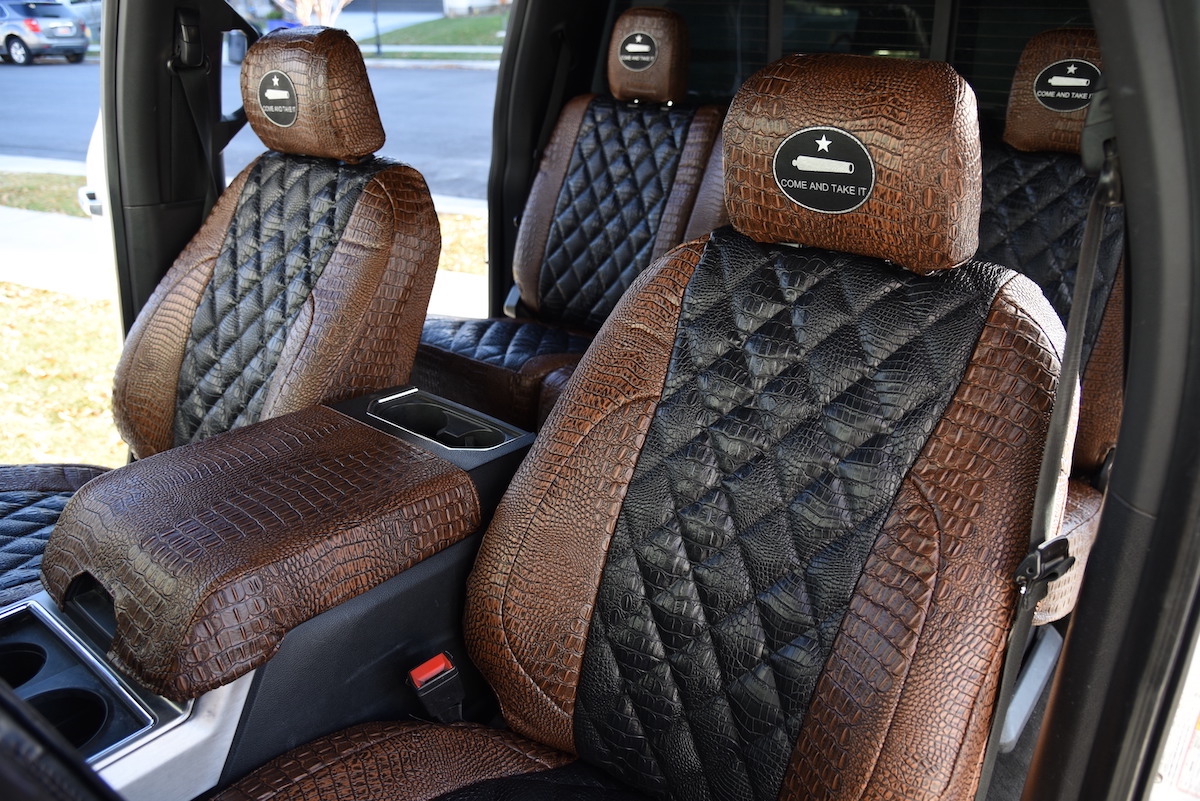
Leather seat covers add a touch of luxury and comfort. They are durable and easy to clean. Faux leather offers a similar look at a lower cost. Both resist spills and stains well. These materials age nicely with proper care.
Neoprene And Waterproof Fabrics
Neoprene covers protect against water and dirt. They are popular for active lifestyles and outdoor use. Waterproof fabrics keep seats dry from spills and rain. These materials are flexible and provide a snug fit. They are ideal for families and pet owners.
Mesh And Breathable Fabrics
Mesh seat covers allow air to flow through. This keeps you cool and comfortable during long drives. Breathable fabrics reduce sweating and overheating. These materials are lightweight and soft to the touch. They work well in hot climates.
Velour And Plush Materials
Velour covers feel soft and warm. They add a cozy, luxurious touch to your car’s interior. Plush materials provide extra cushioning for comfort. These fabrics absorb sound, reducing cabin noise. Velour is easy to maintain and adds style.
Heavy-duty And Flame-resistant Fabrics
Heavy-duty fabrics offer strong protection against wear and tear. Flame-resistant materials add a safety layer in case of fire. These covers are common in commercial vehicles and trucks. They handle rough use and harsh conditions well. Durability is their main advantage.
Credit: www.autozone.com
Signs You Need New Seat Covers
Seat covers protect your car seats from damage and wear. Over time, covers can age or lose their function. Recognizing the signs helps keep your car interior fresh and comfortable. Replacing old seat covers improves both look and feel. Here are common signs that show you need new seat covers.
Visible Wear And Tear
Look for holes, rips, or frayed edges on your seat covers. These damages show the cover no longer protects well. Worn spots can get worse quickly, exposing your original seats. Replace covers at the first sign of wear to avoid further damage.
Persistent Stains
Stains that don’t come out after cleaning are a clear sign. Dirt, spills, or pet marks can embed deeply in the fabric. Stained covers make your car look dirty and old. New covers bring a fresh, clean appearance to your vehicle.
Fading From Sun Exposure
Sunlight can fade colors and weaken the fabric over time. Faded covers lose their vibrancy and may feel brittle. Protect your seats and keep the interior bright by changing faded covers. This also guards against sun damage to original upholstery.
Loss Of Comfort Or Fit
Seat covers should fit snugly and feel comfortable. Loose or stretched covers slip and cause discomfort. Older covers may lose padding or shape. Installing new covers restores comfort and ensures a secure fit on your seats.
Lifestyle Or Vehicle Changes
Changes in your lifestyle or vehicle may need new covers. New pets, kids, or hobbies might require more durable or easy-to-clean materials. Upgrading to match a new car model or personal style also calls for fresh seat covers. Choose covers that fit your current needs well.
Style Tips For Choosing Covers
Choosing the right car seat covers can change your car’s look and feel. Style matters as much as protection. The right choice makes your ride more comfortable and visually pleasing.
Consider your car’s interior and your personal taste. Think about colors, patterns, and textures that fit your style. Also, keep in mind the practical side of seat covers. Here are some tips to guide your selection.
Matching Your Car Interior
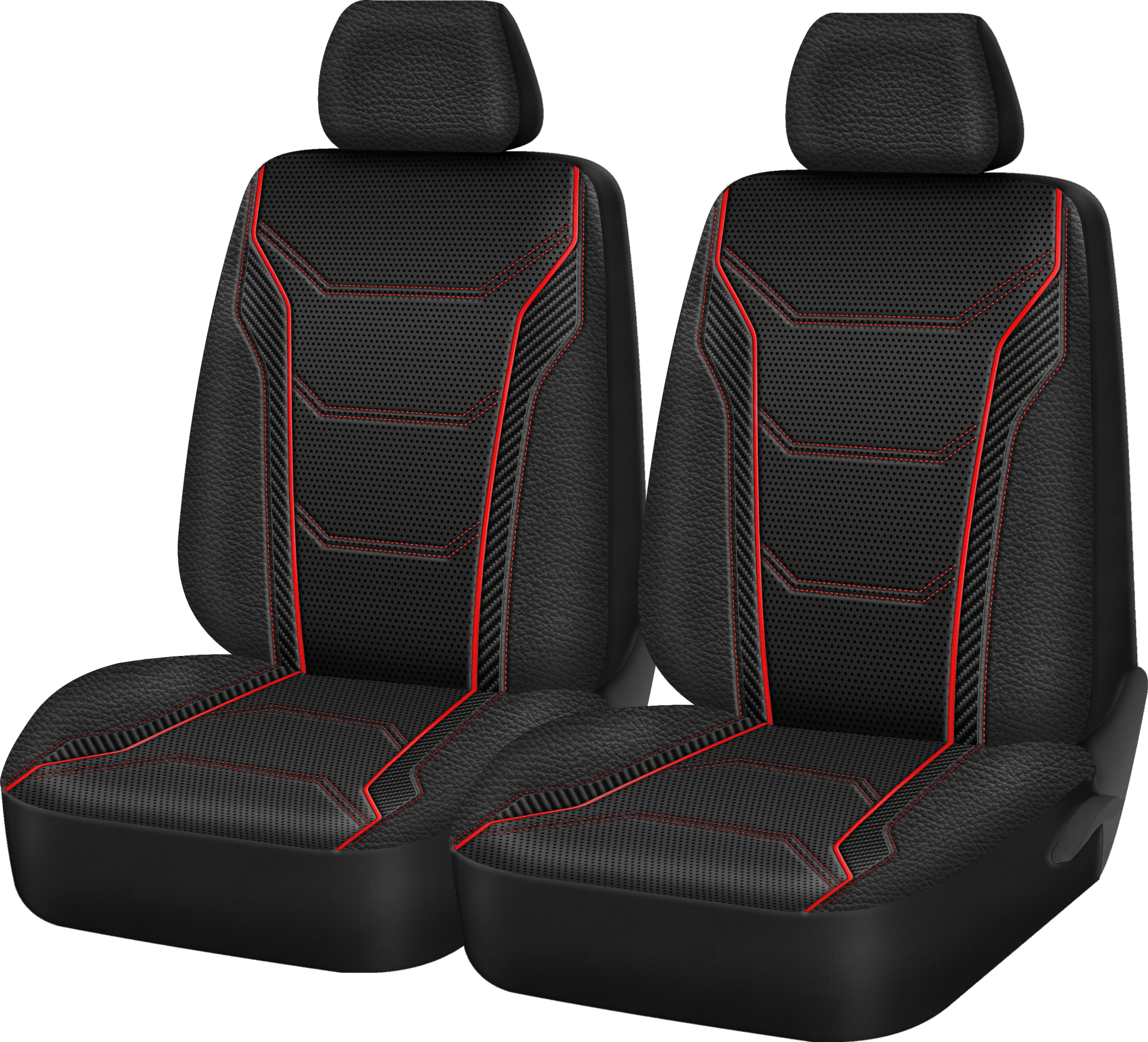
Pick covers that complement your car’s existing colors. Neutral shades like black, gray, or beige blend well with most interiors. They create a clean and unified look. Matching leather or fabric textures also improve the overall style. This harmony makes your car feel more polished.
Adding Personality With Colors
Choose bright or bold colors to express your personality. Red, blue, or even custom colors can make your car stand out. Colorful covers add fun and energy inside your vehicle. They also make it easier to spot your car in crowded parking lots. Avoid colors that clash with your interior for a balanced look.
Selecting Patterns And Textures
Patterns like stripes, checks, or geometric shapes add character. Textures such as quilted or suede finishes bring depth and comfort. Mixing textures with simple patterns can create a stylish contrast. Avoid overly busy designs that might overwhelm the car’s interior. Keep patterns subtle for elegance and style.
Balancing Style With Function
Style should not sacrifice comfort or durability. Choose materials that are easy to clean and long-lasting. Leather or faux leather suits those wanting a sleek look and easy maintenance. Fabric covers offer breathability and softness. Make sure the covers fit well to avoid slipping or discomfort.
Seasonal Considerations
Think about climate and seasons when choosing covers. Breathable fabrics work best in hot weather to keep seats cool. In colder months, warmer materials like fleece or plush add comfort. Waterproof or stain-resistant covers protect against spills and dirt year-round. Changing covers by season can keep your car fresh and cozy.
Credit: www.walmart.com
Installation And Maintenance
Installing and maintaining car seat covers is key to keeping your vehicle’s interior clean and fresh. Proper care helps seat covers last longer and look good every day. Follow simple steps for easy installation and routine upkeep.
Easy Installation Methods
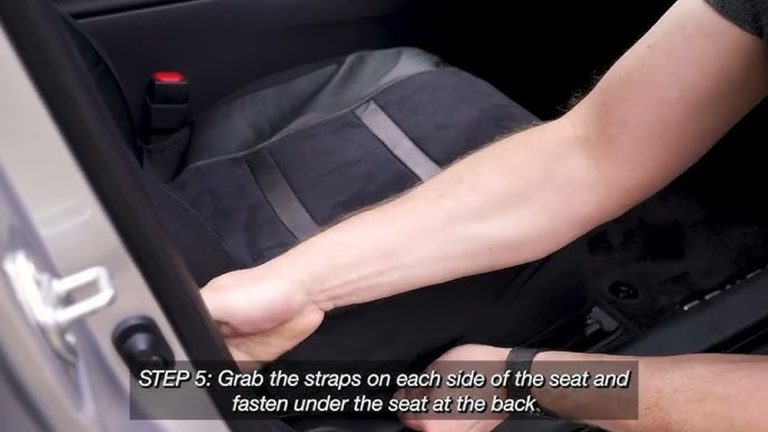
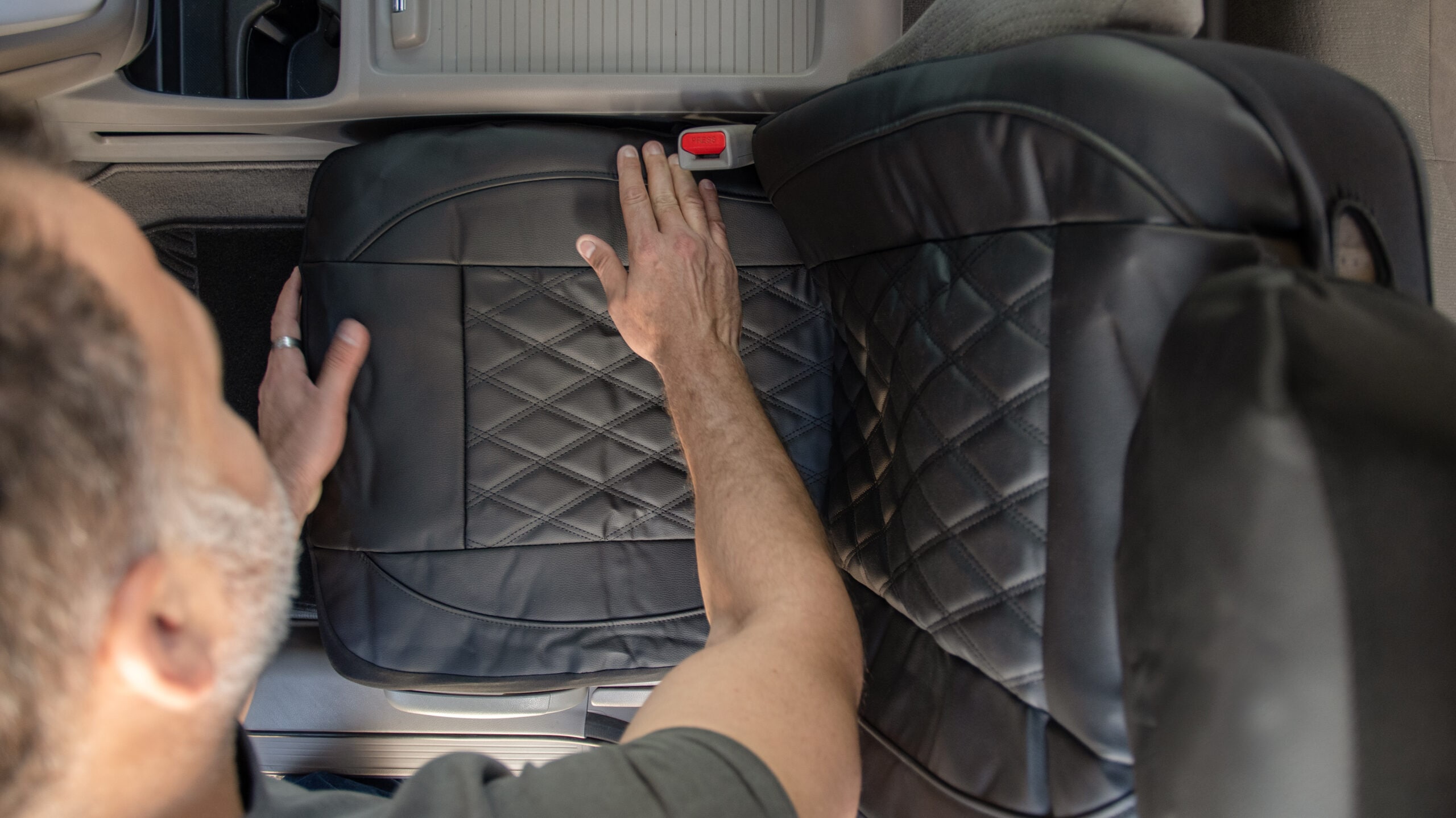
Most car seat covers slide on easily over your seats. Start by removing headrests if possible. Stretch the cover over the seat, aligning holes for seat belts and controls. Secure straps or hooks under the seat to hold the cover tight. Some covers have elastic bands for a snug fit. Take your time to avoid wrinkles or loose spots.
Removing And Washing Covers
Check the label for washing instructions before removing covers. Many covers unzip or unfasten for easy removal. Machine wash covers on a gentle cycle with mild detergent. Air dry to prevent shrinking or damage. Clean covers regularly to avoid stains and odors. Spot clean small stains between full washes.
Maintaining Material Quality
Keep seat covers looking new by avoiding harsh chemicals. Wipe spills quickly with a damp cloth. Use protectants designed for the cover’s material to prevent fading. Avoid direct sun exposure for long periods. Rotate covers occasionally if possible to even out wear.
Repairing Minor Damages
Small tears or holes can be fixed at home. Use fabric glue or repair patches made for car upholstery. Sewing kits with heavy-duty thread work well on durable fabrics. Address damage early to prevent it from growing. Regular inspection helps catch problems fast.
Storage Tips When Not In Use
Remove covers and clean them before storage. Fold covers neatly to avoid creases. Store covers in a dry, cool place away from sunlight. Use a breathable bag to protect covers from dust. Proper storage keeps covers fresh and ready for next use.
Special Considerations For Infant Seat Covers
Infant car seat covers require special attention. These covers must protect babies while ensuring safety and comfort. Choosing the right cover is crucial for every parent. It helps guard infants from weather, germs, and distractions during travel. Careful selection supports a peaceful and secure ride for your little one.
Protecting Against Weather Elements
Infants are sensitive to weather changes. Seat covers shield them from cold winds, rain, and harsh sunlight. Covers that block wind and rain keep babies warm and dry. Sun-blocking fabrics prevent overheating and skin damage. Proper protection helps maintain a comfortable temperature inside the car seat.
Ensuring Hygiene And Safety
Infants have delicate immune systems. Clean covers reduce exposure to dust, germs, and allergens. Covers must be easy to remove and wash regularly. Avoid materials that trap dirt or bacteria. Safe covers do not interfere with car seat straps or buckles. Hygiene and safety go hand in hand for infant seat covers.
Providing Privacy And Comfort
Infant covers offer privacy during naps or breastfeeding in public. They create a cozy, quiet space for babies. Soft fabrics soothe and calm restless infants. Covers also block bright lights and loud noises. Privacy enhances the baby’s comfort and reduces overstimulation during travel.
Choosing Breathable Fabrics
Breathable fabrics prevent overheating and sweating. Materials like cotton allow air circulation and wick moisture. Avoid plastic or non-breathable covers that trap heat. Breathable covers keep babies cool and comfortable on warm days. Proper airflow supports healthy skin and comfort in the car seat.
Compliance With Safety Standards
Infant seat covers must follow safety guidelines. Non-approved covers can block harnesses or cause suffocation risks. Look for covers tested and certified for infant car seats. Ensure covers do not alter the car seat’s fit or function. Safety compliance protects your baby during every car ride.
Common Myths About Seat Covers
Many people have wrong ideas about car seat covers. These myths can stop drivers from using them. Seat covers are useful and safe. Clearing up these myths helps you make better choices for your car.
Seat Covers Reduce Airbag Effectiveness
Some believe seat covers block airbags. Modern seat covers are designed with airbags in mind. They have special seams that do not stop airbag deployment. Using the right seat cover keeps airbags working properly.
All Covers Fit Every Car Perfectly
Not all seat covers fit every car seat. Cars have different shapes and sizes. Universal covers may not fit well. Buying custom or tailored covers ensures a snug fit and better protection.
Seat Covers Are Only For Old Cars
Seat covers are not just for old or damaged seats. They protect new seats from dirt, spills, and wear. Many people use seat covers to keep their new car seats fresh and clean longer.
They Are Difficult To Clean
Cleaning seat covers is easy. Most covers can be removed and washed by hand or machine. Stains and dirt come off quickly. This keeps your car interior neat without much effort.
Seat Covers Lower Vehicle Value
Seat covers protect your car’s original upholstery. This helps keep the seats in good condition. Well-maintained seats increase the vehicle’s resale value. Covers do not lower the value; they help preserve it.
Frequently Asked Questions
Is It Necessary To Put A Car Seat Cover?
Car seat covers protect upholstery from stains, spills, and sun damage. They preserve resale value and add comfort. Covers are easy to clean and customize. Using them helps maintain your car’s interior and reduces wear over time.
What Are The Signs I Need Seat Covers?
Signs you need seat covers include visible wear, stubborn stains, fading from sun, loss of comfort, or lifestyle changes affecting seat use.
What Is The Alabama Law On Car Seats?
Alabama law requires children under age 1 to use rear-facing car seats. Ages 1-4 must use child safety seats. Ages 5-15 must wear seat belts. Proper installation and use are mandatory to ensure child safety and comply with state regulations.
Do People Still Use Car Seat Covers?
Yes, many people still use car seat covers to protect upholstery from stains, wear, and sun damage. They also enhance comfort and style while preserving resale value. Seat covers remain popular for easy cleaning and shielding seats from pets, kids, and spills.
Conclusion
Car seat covers protect your vehicle’s seats from damage and dirt. They keep seats clean and help maintain resale value. Covers also add comfort and style to your car interior. Easy to remove and wash, they save time on cleaning.
Many people use them to protect from pets and kids. Seat covers are a simple way to keep your car looking good longer. Consider what fits best for your needs and lifestyle. A small change that offers long-term benefits for your car.