How to Replace Seat Covers in Car: Easy Steps for a Fresh Look
Credit: delicate-leather.com
Are your car seats looking worn out or outdated? Replacing your seat covers is one of the easiest and most affordable ways to refresh your car’s interior and protect your seats from further damage.
You don’t need to be a professional or spend a fortune—most seat covers are designed for simple, do-it-yourself installation that anyone can handle with a little patience. In this guide, you’ll discover straightforward steps to replace your car’s seat covers quickly and efficiently.
Whether you want to upgrade your style, keep your seats clean, or just give your vehicle a fresh new look, you’ll find all the tips you need to get the job done right. Keep reading to transform your car seats and enjoy a comfortable, stylish ride every time you get behind the wheel!
Tools And Materials Needed
Replacing seat covers in your car needs some basic tools and materials. Having the right items makes the job easier and faster. You will avoid damage to the seats and get a neat finish.
Prepare all tools and materials before starting. This helps you work smoothly without interruptions. The list below includes the most important items for this task.
Seat Covers
Choose seat covers that fit your car model. Custom-fit covers give the best look and protection. Universal covers work for many cars but may need more adjustment.
Basic Tools
Common tools include a flathead screwdriver and pliers. These help remove old covers and clips. A pair of scissors can trim excess fabric if needed.
Cleaning Supplies
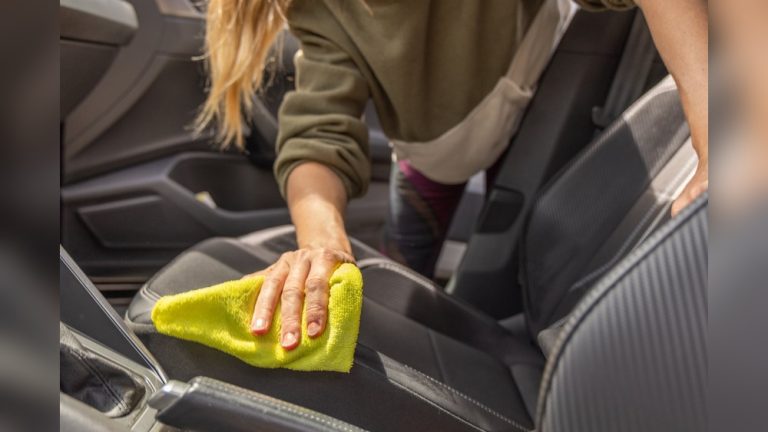
Clean seats before installing new covers. Use a vacuum cleaner to remove dust and dirt. Wipe with a damp cloth and mild cleaner for a fresh surface.
Fasteners And Straps
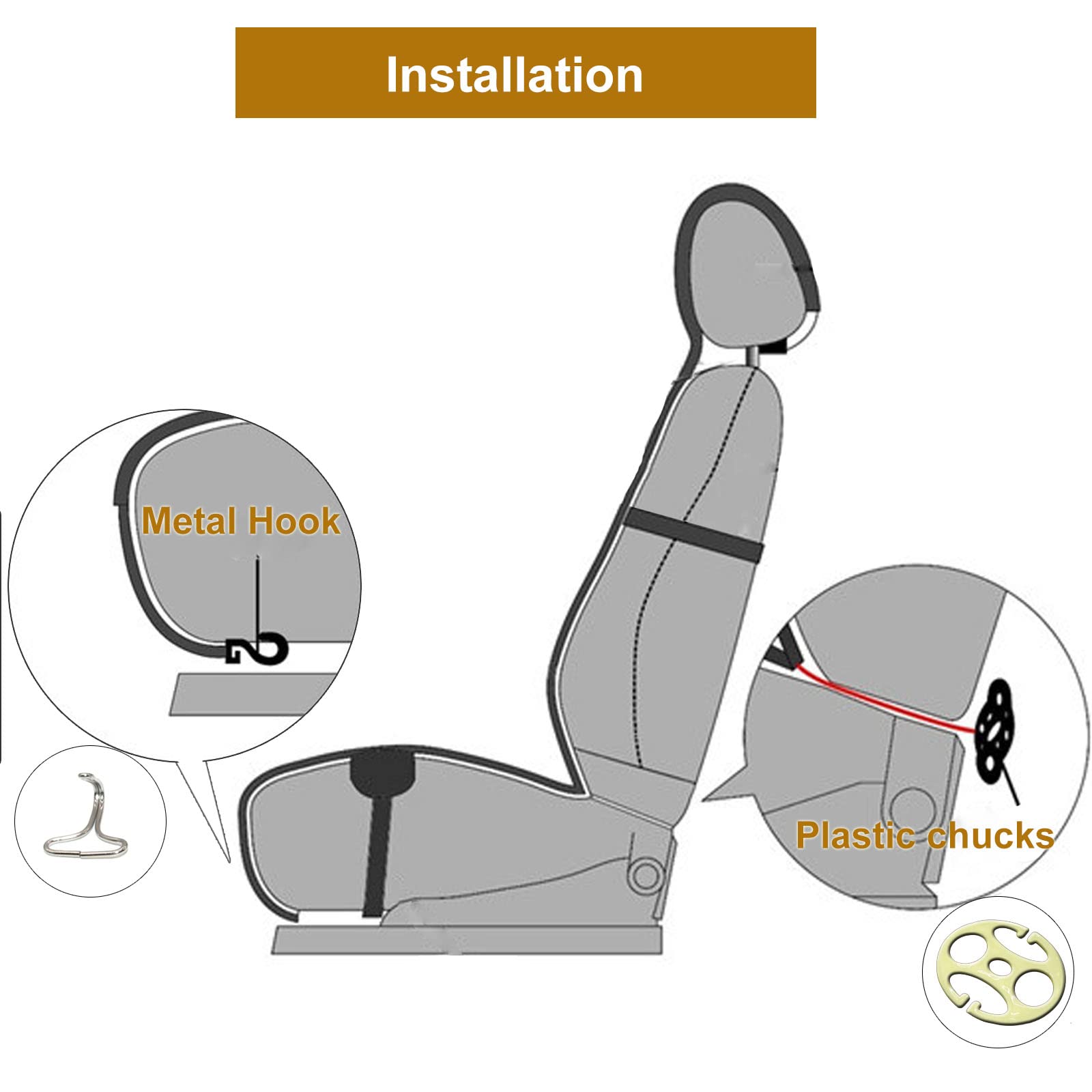
Many seat covers come with hooks, straps, or elastic bands. These secure the cover tightly to the seat. Extra zip ties or clips may help if original fasteners are missing.
Protective Gloves
Gloves protect your hands from sharp edges and dirt. They also improve grip on tools and covers. Use thin gloves for better flexibility.
Preparing Your Car Seats
Preparing your car seats is a key first step to replace seat covers. Clean, smooth seats help the new covers fit well. You need to remove some parts to make the process easier. These small tasks save time and make your work neat.
Cleaning The Seats
Start by vacuuming the seats to remove dust and crumbs. Use a soft brush to loosen dirt in tight spots. Wipe the seats with a damp cloth to clean stains and spills. Let the seats dry completely before you continue. Clean seats help the covers stick better and last longer.
Removing Headrests
Locate the release buttons or clips at the base of the headrests. Press or pull them gently to unlock the headrests. Lift the headrests straight up and out of the seat. Keep the headrests safe to avoid losing them. Removing headrests makes it easier to pull the covers over the seat tightly.
Choosing The Right Seat Covers
Choosing the right seat covers is the first step in replacing your car’s seat covers. The right choice protects your seats and improves your car’s look. Consider fit and material to ensure comfort and durability. A good seat cover fits well and feels good to sit on. This guide helps you decide between custom-fit and universal covers, and explains popular material options.
Custom-fit Vs Universal Covers
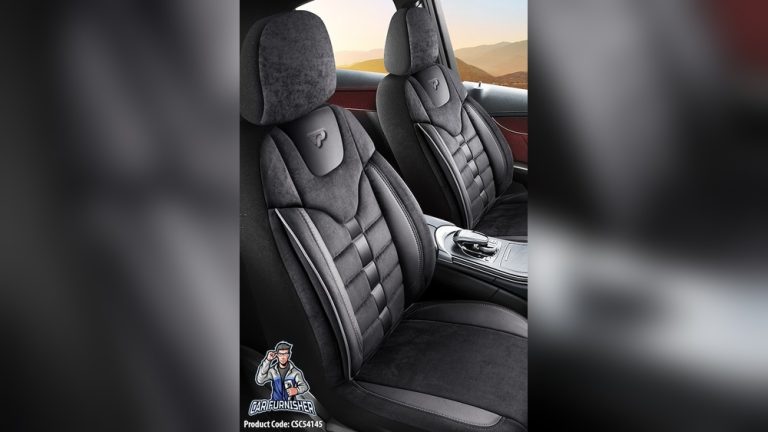
Custom-fit seat covers match your car’s seat shape exactly. They hug every curve and stay in place better. These covers offer a clean, factory-like look. They often include cutouts for airbags and seat controls. Custom-fit covers cost more but last longer and look sharper.
Universal seat covers fit many seat types but are less precise. They are easier to find and usually cost less. These covers may wrinkle or shift during use. Universal covers work well for quick upgrades or older cars. Choose based on your budget and how perfect you want the fit.
Material Options
Seat covers come in many materials, each with pros and cons. Fabric covers are soft and breathable. They handle sweat and heat well but can stain easily. Neoprene covers resist water and dirt. Great for wet climates or active lifestyles. Leather covers look stylish and feel premium. They are easy to clean but can get hot in summer.
Vinyl covers offer good protection and are budget-friendly. They resist spills but may crack over time. Consider your climate and how you use your car when picking materials. Choose a material that fits your comfort and maintenance preferences.
Credit: www.cover-company.com
Step-by-step Installation
Installing new seat covers transforms your car’s interior. Follow each step carefully for a smooth process. The right installation ensures comfort and a neat look. Here is a clear guide to replace your seat covers easily.
Positioning The Cover
Start by sliding the seat cover over the car seat. Align the seams with the edges of the seat. Make sure openings for seatbelts and levers are in the right spots. Check that the cover fits evenly on all sides.
Securing Straps And Hooks
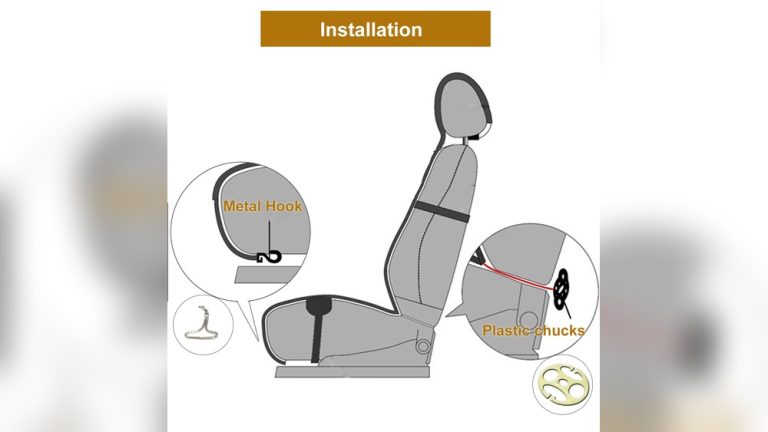
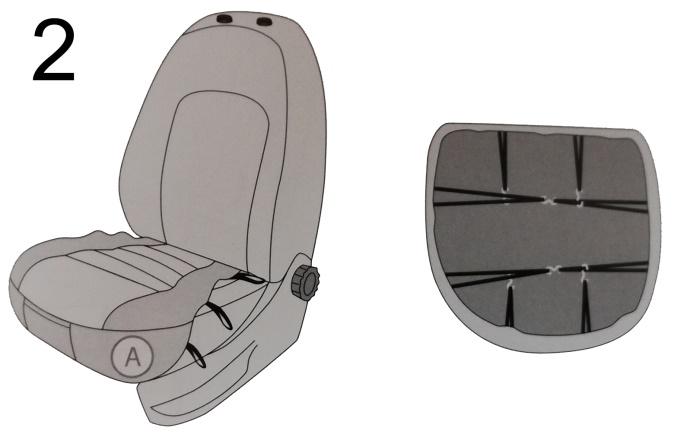
Locate the straps and hooks under the seat cover. Feed the straps through the gaps between the seat bottom and backrest. Attach hooks to secure points under the seat frame. Pull the straps tight to keep the cover in place.
Tightening The Fit
Adjust all straps and fasteners to remove wrinkles. Smooth the cover with your hands to fit the seat shape. Use any provided velcro or clips for extra hold. Ensure the cover does not shift when you sit down.
Reinstalling Headrests
Place the headrest through the holes in the seat cover. Push the headrest rods back into their slots. Lock them securely with the release button. Confirm the headrests move up and down freely.
Tips For A Smooth Installation
Replacing seat covers in your car can be tricky without the right approach. Simple tips help avoid frustration and save time. A smooth installation means a neat fit and long-lasting results.
Prepare your workspace and tools before starting. Take your time to follow each step carefully. These tips will make the process easier and more enjoyable.
Creating More Space
Clear the car interior around your seats. Remove floor mats, center console items, and anything blocking access. Pull the seat forward or recline it to gain better reach. More space allows easier handling of the seat cover.
Remove headrests if possible. This opens up the seat shape and makes slipping covers on much simpler. Work slowly to avoid tearing or stretching the fabric.
Using Plastic Trim Tools
Plastic trim tools help tuck seat covers into tight gaps. They prevent damage to your seat and cover material. Avoid metal tools that could scratch or rip fabric.
Use these tools to gently push fabric under seams and edges. This creates a smooth look without wrinkles or bunching. Keep tools handy during installation for quick adjustments.
Watching Installation Videos
Watch videos from reliable sources before you start. Visual guides show exact steps and tricks for your car model. Videos help you understand how straps and hooks work.
Pause and replay parts you find difficult. Seeing the process reduces guesswork and increases confidence. Choose videos with clear instructions and close-up shots.
Safety Considerations
Replacing seat covers enhances your car’s look and comfort. Safety must remain a top priority during the process. Poorly installed covers can block important features or cause discomfort. This section covers key safety tips to keep in mind when replacing seat covers.
Infant Car Seat Covers
Infant car seats have strict safety rules. Covers should never interfere with the seat’s protection. Avoid adding thick or padded covers on infant seats. These can affect the harness fit and crash safety. Always use covers made specifically for infant car seats. Check that the cover does not change the car seat’s shape or padding. Proper airflow is important to keep the baby comfortable and safe.
Avoiding Harness Interference
Car seat harnesses must fit snugly and work correctly. Seat covers can block or weaken harness straps. Choose covers with precise openings for seatbelt and harness access. Do not force straps through tight or wrong openings. Test the harness after installing covers to ensure it fastens easily. Loose or twisted straps reduce safety in a crash. Always follow the car and seat cover manufacturer’s instructions.
Maintenance And Care
Proper maintenance and care extend the life of your new seat covers. Clean and protect them regularly to keep your car’s interior fresh. Simple habits prevent damage and preserve appearance.
Cleaning Seat Covers
Remove dust and dirt often to avoid buildup. Use a vacuum with a soft brush attachment. For fabric covers, spot clean with mild soap and water. Avoid harsh chemicals that may fade colors or weaken fabric. Leather covers need a gentle cleaner and conditioner to stay soft. Dry covers thoroughly before reinstalling to prevent mold and odors.
Handling Wear And Tear
Check seat covers regularly for signs of damage. Small tears or loose seams should be repaired quickly. Use fabric glue or patches for minor fixes. Avoid sharp objects in pockets that can cut the material. Rotate seat covers if possible to reduce uneven wear. Taking care early saves money and keeps your car looking neat.
Cost Factors For Replacement
Replacing car seat covers involves several cost factors. Understanding these helps plan your budget. Prices vary widely depending on the materials used and the job’s complexity. Additional repairs can also increase the total expense. Knowing what affects cost helps avoid surprises.
Material And Complexity
The type of material greatly affects the cost. Leather seat covers cost more than fabric or vinyl. Custom-fit covers often cost more than universal ones. Complex designs with extra stitching or padding add to the price. Installation difficulty also influences labor costs. Simple covers for standard seats are cheaper to replace.
Additional Repairs
Damaged seat frames or foam require extra repair work. Repairing tears or holes in the original upholstery adds to costs. Sometimes, removing old covers may reveal hidden damage. Fixing seat heaters or electronic adjustments can increase expenses. Additional repairs extend the time needed for replacement. Always budget for possible extra work beyond just new covers.
Where To Get Professional Help
Replacing car seat covers can be tricky for some. Getting professional help ensures the job is done right. Experts have the tools and skills needed. They save time and avoid damage to seats.
Local Upholstery Shops
Local upholstery shops offer personalized services for seat cover replacement. They specialize in fabric, leather, and vinyl materials. Staff understand different car models and seat types. These shops can match colors and textures closely. Many provide custom designs to fit your style. Prices vary but usually remain affordable. A quick visit or call helps you find the best option nearby.
Fire Department Car Seat Services
Some fire departments offer car seat services, mainly for safety checks. They may also provide seat cover replacement or referrals. These services focus on secure installation and proper fit. Firefighters trained in seat safety ensure covers do not interfere with airbags or seat belts. This option adds peace of mind for families with children. Contact your local fire department to ask about availability and costs.
Frequently Asked Questions
Can I Install A Car Seat Cover Myself?
Yes, you can install car seat covers yourself. Most covers fit easily without tools. Follow instructions, remove headrests, fit covers snugly, and secure straps or hooks for a smooth finish.
How Expensive Is It To Reupholster A Car Seat?
Reupholstering a car seat typically costs between $200 and $750, depending on material and labor. Leather seats cost more than fabric. Custom designs or high-end materials increase the price. DIY kits offer cheaper alternatives but require time and skill.
Do Local Fire Departments Install Car Seats?
Many local fire departments offer free car seat installation services. Call ahead to confirm availability and schedule an appointment.
How Much Does It Cost To Replace A Car Seat Cover?
Replacing a car seat cover typically costs between $50 and $200. Custom or leather covers can cost more. DIY installation saves money.
Conclusion
Replacing seat covers can refresh your car’s look quickly. Clean seats well before starting to ensure the best fit. Take your time aligning seams and securing straps tightly. Removing and reinstalling headrests makes installation easier and neat. Use simple tools to tuck covers into corners smoothly.
Following these steps helps you finish the job confidently. Enjoy your updated car interior with new, comfortable seat covers.