How to Put a Car Seat Cover on: Simple Steps for a Perfect Fit
Putting a car seat cover on sounds simple, but many people struggle to get it right. The process is more than just stretching fabric over a seat. You want a snug fit, no wrinkles, and easy access to seat belts.
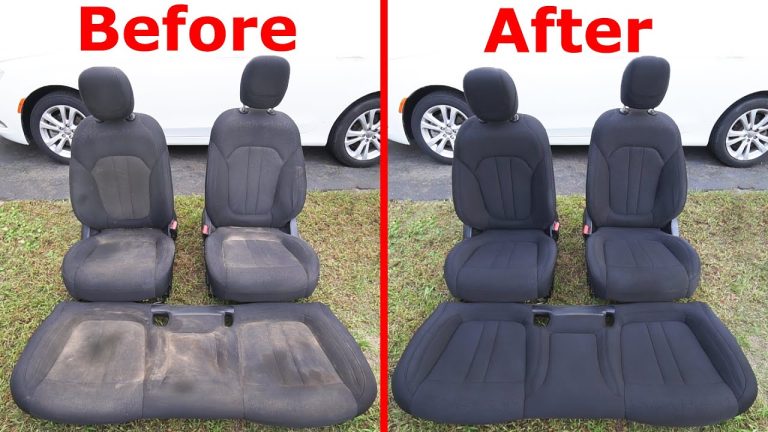
Good seat covers protect your seats, make your car look better, and last longer if installed correctly. Whether you’re upgrading your interior, hiding old stains, or protecting your new car, learning how to put a car seat cover on properly can make a big difference.
Some people rush through installation and end up with loose covers or blocked seat controls. Others worry about damaging the seat or making mistakes. This guide will help you avoid these problems, showing each step with clear advice and real examples.
If you’re new to car seat covers, you’ll also learn about different types, common mistakes, and tips for a perfect fit. Let’s get started so your seats look great and stay protected.
Why Use Car Seat Covers?
Car seat covers offer many benefits. They protect your seats from dirt, spills, and wear. If you have kids or pets, covers stop messes from reaching the original fabric. Some covers help your car’s resale value by keeping seats clean and fresh.
Others give your car a new style or hide old stains.
Here are some reasons people use car seat covers:
- Protection: Stops stains, spills, and fading.
- Style: Adds color, texture, or a luxury look.
- Comfort: Some covers have extra padding.
- Easy Cleaning: Remove and wash covers instead of cleaning seats.
- Resale Value: Keeps seats like new for higher resale.
Many drivers use covers for practical reasons, but some also want a fresh look or more comfort.
Types Of Car Seat Covers
Before you start, it’s important to know what kind of cover you’re dealing with. There are several types, and each has its own installation method.
| Type | Material | Installation Difficulty | Best For |
|---|---|---|---|
| Universal Fit | Polyester, Nylon | Easy | Quick changes, budget options |
| Custom Fit | Leather, Neoprene | Moderate | Specific car models, tight fit |
| Semi-Custom | Cotton blends | Medium | Multiple car models |
| Heated Covers | Synthetic | Easy | Winter comfort |
| Pet-Proof Covers | Heavy-duty fabric | Medium | Pet owners |
Universal covers fit most seats but may not look perfect. Custom fit covers are designed for your car and look seamless. Semi-custom covers work for several models but may need some adjustment. Heated covers and pet-proof covers are special options for extra comfort or protection.
Preparing For Installation
Getting ready is half the work. If you skip these steps, you may struggle later. Here’s what you need to do before putting on a car seat cover:
- Read Instructions: Most covers come with manuals. Check for special steps.
- Check Parts: Look for hooks, straps, or zippers. Missing parts can make installation impossible.
- Clean Seats: Dirt and crumbs under covers can cause discomfort and damage.
- Remove Headrests: Most covers require you to take off headrests first.
- Move Seats: Slide seats forward or backward for easier access.
Common mistake: Many people forget to remove headrests, which makes fitting covers tricky. Always check if your cover needs headrests removed.
Step-by-step Guide To Putting A Car Seat Cover On
Now let’s break down the process. Each step matters for a tight, comfortable fit.
1. Remove Headrests And Adjust The Seat
Almost all covers fit better with headrests off. If your seat has movable armrests, remove them as well. Slide the seat back for easy access.
2. Align The Cover With The Seat
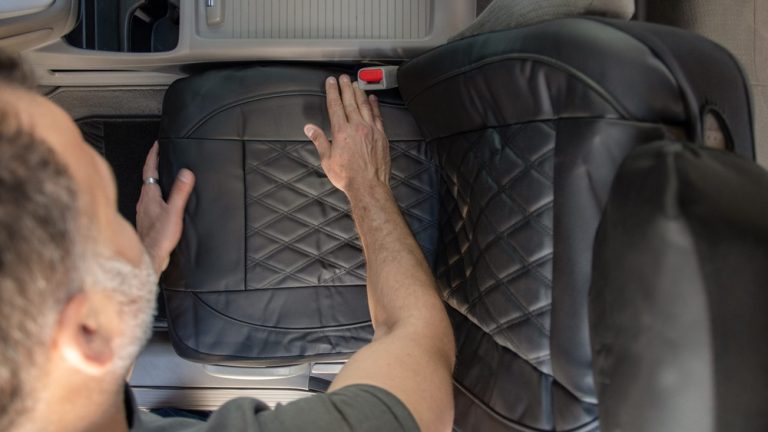
Find the top and bottom of the cover. Some covers have tags or marks. Place the cover over the seat, starting from the top. Make sure the seams match the seat shape.
3. Slip The Cover Over The Seat Back
Pull the cover down over the seat back. Smooth out wrinkles as you go. If your cover has zippers or Velcro, use them now. Tighten the cover so it hugs the seat.
4. Fit The Seat Bottom
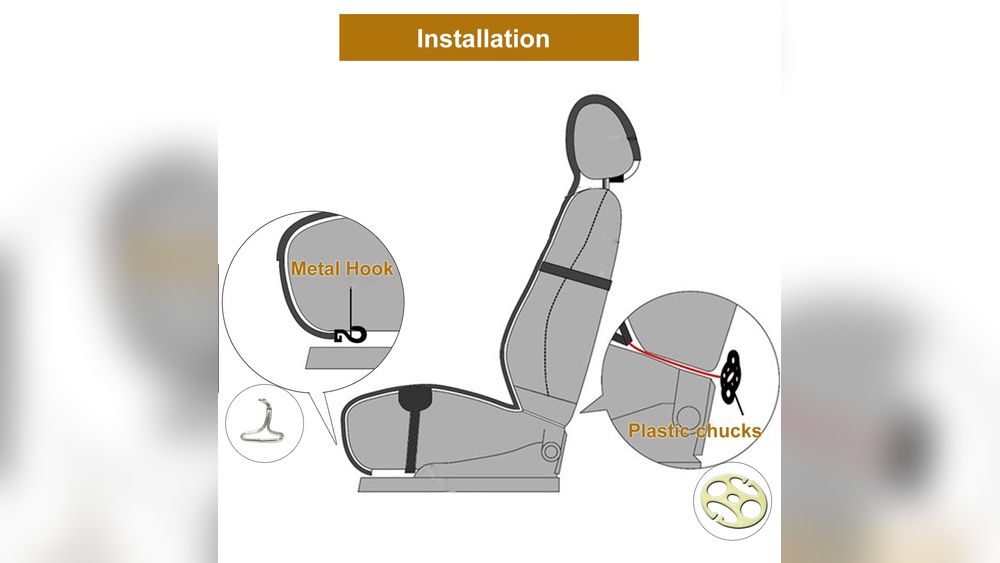
Stretch the cover over the seat bottom. Tuck any excess fabric between the seat and the backrest. Some covers have clips or hooks underneath. Attach these for a firm fit.
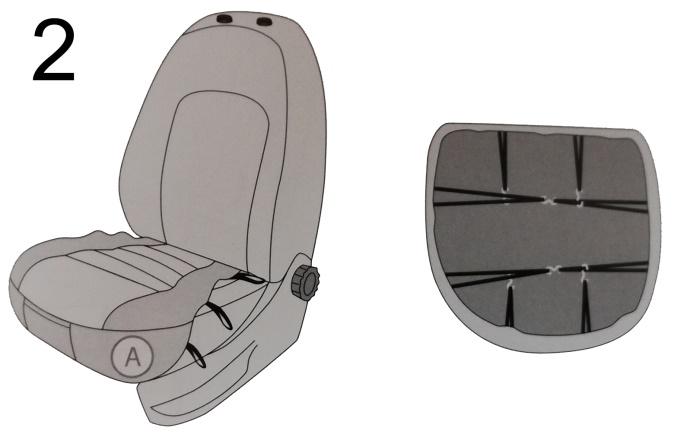
5. Secure Straps, Hooks, Or Elastic Bands
Many covers use straps or hooks for extra security. Connect straps under the seat. If there are hooks, attach them to the seat frame. Avoid blocking seat adjustment levers.
6. Reinstall Headrests
Cut small holes in the cover where the headrest posts go (if needed). Put the headrests back on. Make sure they move freely.
7. Check Seat Belt Access And Side Airbags
Seat covers should not block seat belts or airbags. Find the seat belt holes and adjust the cover. Some covers are airbag compatible—check for labels.
8. Smooth Out Wrinkles And Adjust Fit
Use your hands to smooth out any folds or wrinkles. Pull the cover tight for a clean look. Sit on the seat to check comfort and movement.
9. Repeat For Other Seats
If you have more seats to cover, repeat these steps. Rear seats may be trickier, especially with split-folding designs.
10. Final Inspection
Check everything: headrests, seat belts, seat controls, and airbag labels. Make sure the cover is snug and nothing is blocked.

Credit: www.familyhandyman.com
Troubleshooting Common Problems
Some issues come up often. Here’s how to fix them:
- Loose Covers: Tighten straps, tuck extra fabric, or use extra clips.
- Blocked Seat Controls: Adjust the cover so levers and buttons are free.
- Wrinkles: Stretch the cover and smooth it out. If needed, remove and try again.
- Missing Parts: Contact the seller or use universal clips.
Beginners often miss that seat covers need to be checked after a few days. Covers can shift, especially with lots of use. Re-adjust for best fit.
Practical Tips For A Perfect Fit
Getting a great result is more than just following steps. Here are some tips:
- Warm the Cover: If your cover is stiff, leave it in the sun or use a hair dryer. Warm fabric stretches better.
- Use a Plastic Tool: A plastic spatula helps tuck fabric between seat gaps. Avoid metal tools—they can damage seats.
- Work Slowly: Rushing leads to mistakes. Take your time for each seat.
- Double-Check Airbag Compatibility: Not all covers are safe for side airbags. Look for “airbag compatible” labels.
- Clean Regularly: Dirt under the cover can scratch the seat and cause smells. Remove covers every few months and clean both seats and covers.
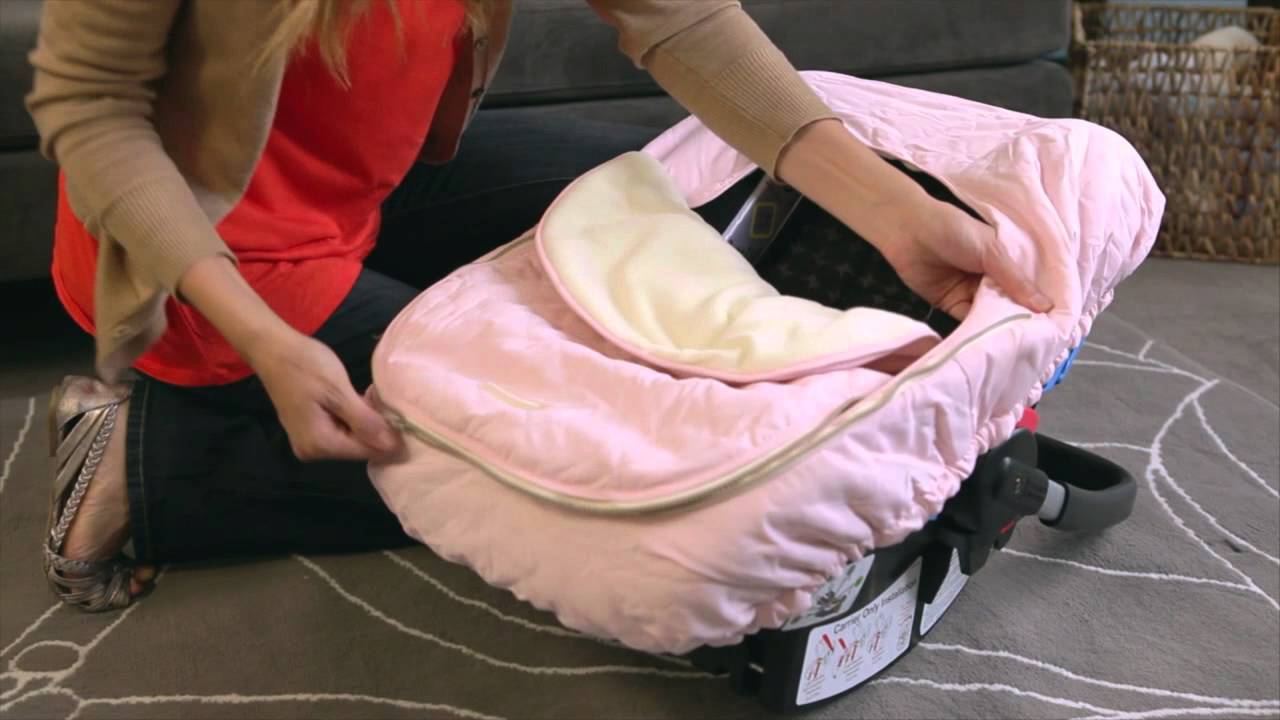
Many people forget that tight covers settle over time. Check after a week and re-tighten straps if needed.
Credit: www.youtube.com
Comparing Car Seat Cover Materials
Choosing the right material affects comfort, durability, and cleaning. Here’s a comparison:
| Material | Durability | Comfort | Cleaning | Cost |
|---|---|---|---|---|
| Leather | High | Medium | Easy (wipe) | High |
| Neoprene | Very High | High | Easy (machine wash) | Medium |
| Polyester | Medium | Medium | Easy (machine wash) | Low |
| Cotton Blend | Medium | High | Medium (washable) | Low |
| Velour | Low | High | Medium | Low |
Leather is stylish but expensive. Neoprene is popular for durability and water resistance. Polyester and cotton blends offer budget options. Velour is soft but wears out faster.
Mistakes To Avoid
Many beginners make these mistakes:
- Ignoring Instructions: Each cover is different. Always read the manual.
- Blocking Airbags: Never cover airbag openings unless your cover is certified.
- Skipping Cleaning: Dirt under covers causes damage.
- Forcing Fit: Don’t stretch covers too much—they can tear.
- Not Checking After Installation: Covers shift. Check after a few days.
A non-obvious tip: Some covers need small holes for seat controls. Use a sharp knife and cut carefully, only where needed.
How Often Should You Change Or Clean Car Seat Covers?
Most car owners clean seat covers every 2–3 months. If you travel with pets or kids, clean more often. For high-traffic cars (like taxis), monthly cleaning is best. Change covers when they tear, lose shape, or smell bad.
When To Get Professional Help
If you have luxury seats, airbags, or heated seats, consider professional installation. Some covers require special tools or skills. For custom covers, installers can make sure everything fits perfectly.
Real-life Example
Let’s say you bought a custom fit neoprene cover for a Toyota Corolla. You remove the headrests, clean the seats, and follow the steps above. The cover has straps and hooks under the seat. After installation, the cover fits tightly, with no wrinkles and easy access to seat controls. After one week, you check again and re-tighten the straps. The cover stays snug and comfortable.
Extra Advice For Unique Seat Types
Some seats are harder to cover:
- Bucket Seats: These have deep sides. Use covers with side straps.
- Bench Seats: Usually in trucks. Look for large, stretchable covers.
- Split Seats: Rear seats often fold. Buy covers that work with splits.
- Seats with Built-in Screens/Controls: Avoid blocking screens or controls. Cut small holes if needed.
Credit: www.cover-company.com
Environmental Impact And Safety
Modern covers are made from recyclable materials. Look for covers marked “eco-friendly. ” Safety is important—never block airbags or seat belt access. Choose covers certified for airbags if your car has them.
Where To Buy High-quality Car Seat Covers
Buy from trusted brands or car accessory shops. Online stores offer reviews and ratings. If you want more advice, visit Consumer Reports for detailed information.
Frequently Asked Questions
How Long Does It Take To Put On A Car Seat Cover?
For most covers, it takes 15–30 minutes per seat. Custom covers may take longer. If you’re new, plan for 1 hour for two seats.
Can I Wash My Car Seat Covers In The Washing Machine?
Most fabric covers are machine washable. Check the label before washing. Leather covers should be wiped with a damp cloth.
Will Seat Covers Block My Airbags?
Some covers are airbag compatible. Always check for labels. Never cover airbag openings unless your cover is certified.
Do I Need To Remove My Car Seat To Put On The Cover?
Usually, you don’t need to remove the seat. Slide it forward or backward for access. Only rare covers require seat removal.
Are Universal Seat Covers Good For All Cars?
Universal covers fit most seats but may not look perfect. Custom fit covers are best for a seamless look and full protection.
Putting a car seat cover on is simple with the right approach. By preparing well, following each step, and avoiding mistakes, you get a snug fit and lasting protection. Take your time, use practical tips, and check your work. Your car seats will thank you, and your interior will look much better.