How to Inflate Car Tires at Gas Station: Quick & Easy Steps
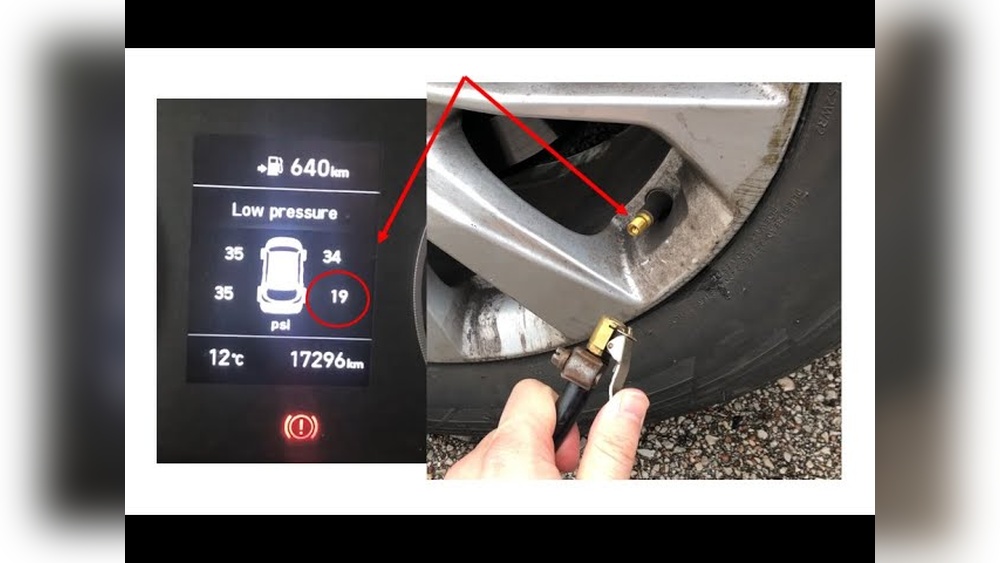
Keeping your car tires properly inflated is one of the simplest ways to boost your vehicle’s safety, fuel efficiency, and overall performance. But what if you’re on the road and notice your tires need air?
Knowing how to inflate your car tires at a gas station can save you time, hassle, and even money. In this guide, you’ll learn exactly what to do—from finding the right tire pressure to using the air pump like a pro.
By the end, you’ll feel confident handling tire inflation on your own, ensuring your ride stays smooth and safe no matter where you are. Let’s get started!
Locate Recommended Tire Pressure
Knowing the correct tire pressure is key before inflating your car tires at a gas station. Proper pressure keeps your tires safe and your ride smooth. Without this, you risk over or under inflating, which can cause damage or poor fuel efficiency.
Locate this information easily on your vehicle. It tells you the exact PSI (pounds per square inch) your tires need. Understanding this number helps you fill tires correctly and avoid costly mistakes.
Find Psi On Driver’s Door Sticker
Open the driver’s side door to find the tire pressure sticker. It is usually on the door frame or near the latch. This label lists the recommended PSI for both front and rear tires. Use these numbers to set the air pump at the station.
Do not use the number on the tire’s sidewall. That number shows the maximum pressure, not the recommended one for your car. Stick to the door sticker for the safest and best tire pressure.
Understand Pressure Units
Most tire pressure readings use PSI, which stands for pounds per square inch. Some air pumps may show pressure in kPa (kilopascals) or bar units. PSI is the common unit in the United States.
Check the air pump display and switch units if needed. Match the unit with the number on your car’s sticker. This ensures accurate inflation and better tire performance.
Prepare Your Car
Preparing your car before inflating the tires at a gas station makes the process smooth and safe. It helps you get the right pressure and avoid damage to your tires. Take a moment to set your car correctly and check the tires carefully.
Park Near Air Pump
Find a spot close to the air pump. This helps you reach all tires easily. Align your car so the valve stems face the pump side. It saves time and effort during inflation. Make sure your car is in park and the engine is off. This keeps you safe while working on the tires.
Check Tires When Cool
Check the tire pressure when tires are cool. Tires heat up while driving and pressure rises. Hot tires give false readings and may lead to overinflation. Wait at least three hours after driving or check first thing in the morning. Proper pressure keeps tires safe and lasts longer.
Use The Air Pump
Using the air pump at a gas station is a simple way to keep your tires at the right pressure. Proper tire pressure improves safety, fuel efficiency, and tire life. Follow clear steps to use the air pump correctly. This ensures your tires are inflated to the recommended PSI and ready for the road.
Remove Valve Caps
Start by locating the valve stem on your tire. Unscrew the small plastic cap by turning it counterclockwise. Place the cap somewhere safe so you don’t lose it. Removing the cap exposes the valve for adding air.
Attach Air Nozzle Securely
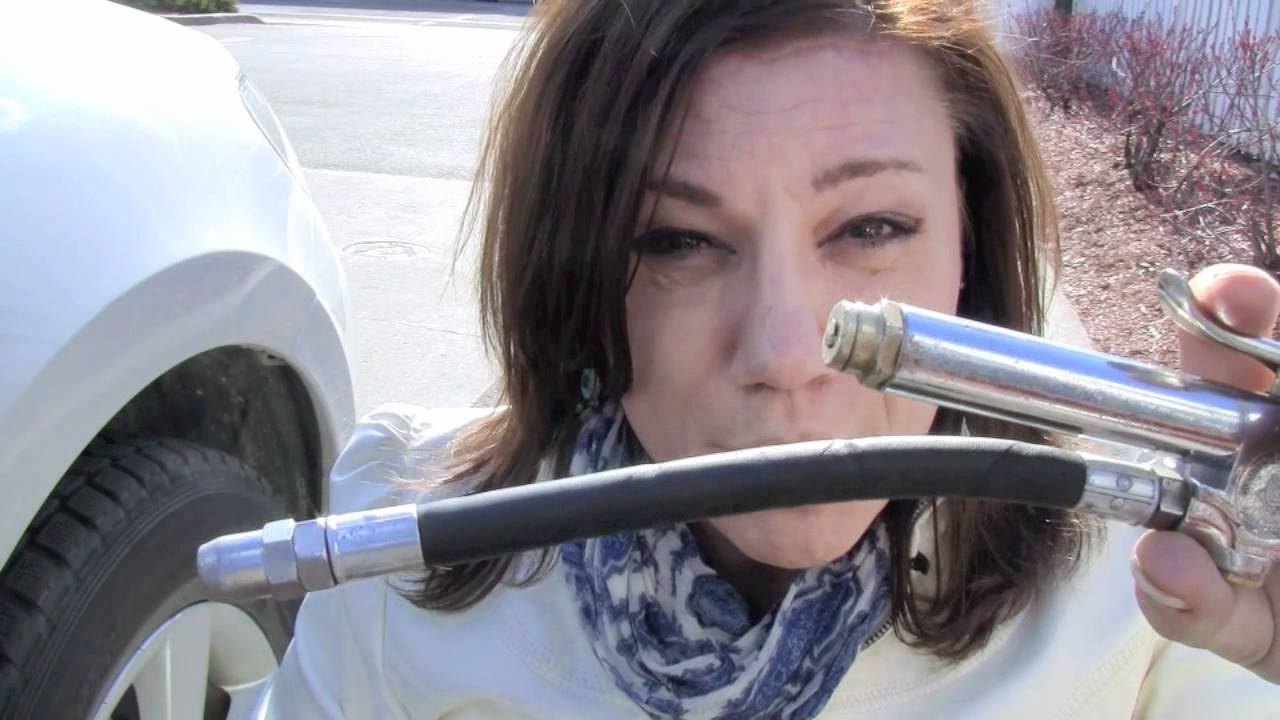
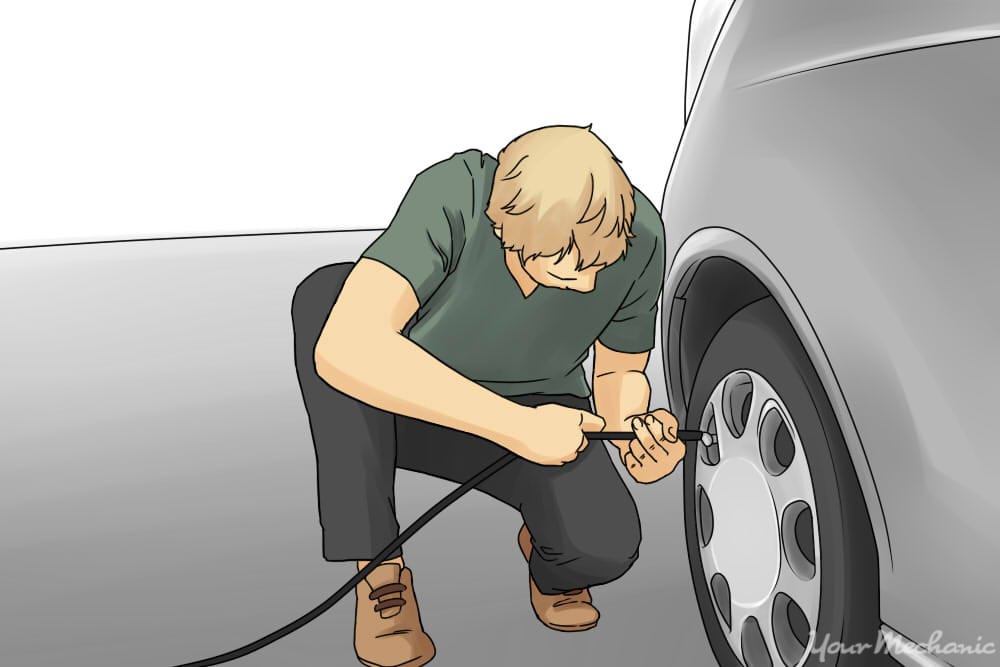
Take the air nozzle from the pump and press it firmly onto the valve stem. You should hear a slight hiss of air as you attach it. Make sure the nozzle is tight to avoid air leaks. A secure fit helps the air flow directly into the tire.
Operate Air Pump Controls
Check the pump’s pressure settings or use the display to set your target PSI. Squeeze the trigger or press the button to start adding air. Inflate the tire in short bursts and pause to check the pressure. Stop when the tire reaches the recommended PSI. Remove the nozzle carefully and replace the valve cap.
Credit: www.youtube.com
Monitor And Adjust Pressure
Monitoring and adjusting tire pressure is key to safe driving and better fuel efficiency. Tires lose air naturally, so regular checks keep them at the right pressure. At a gas station, use the air pump’s gauge and controls carefully. Stop often to check the pressure as you fill the tire. Avoid overinflation or underinflation by making small changes.
Read Pressure Gauge
First, look at the pressure gauge on the air pump. It shows your tire’s current pressure in PSI (pounds per square inch). Compare this number to the recommended PSI on your car’s door sticker. Check the gauge after every few seconds of adding air. This ensures you don’t miss the correct pressure level.
Add Air In Short Bursts
Press the air nozzle trigger in short bursts. This adds air gradually to the tire. Stop and check the gauge each time you add air. Short bursts prevent overfilling and give you better control. Keep the nozzle tightly sealed on the valve stem to avoid air leaks.
Release Excess Air If Needed
If the tire pressure goes above the recommended PSI, release some air. Press the small valve inside the valve stem with a tool or your fingernail. Let out air in small amounts, then recheck the pressure. Repeat until the tire pressure matches the recommended level. Replace the valve cap securely after finishing.
Finish Up
After inflating your tires to the recommended pressure, the final steps ensure everything is secure and ready for the road. Proper finishing helps keep your tires in good shape and prevents air leaks. Take a moment to check each tire carefully. This small effort protects your car’s performance and safety.
Replace Valve Caps
Put the valve caps back on each tire’s valve stem. These caps protect the valve from dirt and moisture. Without them, dust or water can cause slow leaks or damage. Screw the caps on tightly but avoid over-tightening. Keeping the caps in place maintains your tire pressure longer.
Repeat For All Tires
Move around the car and repeat the process for every tire. Each tire needs the right air pressure for balanced driving. Don’t forget the spare tire if your car has one. Check all tires to ensure they are safe and properly inflated before you leave the gas station.
Tips For Efficient Inflation
Inflating car tires at a gas station saves time and keeps tires safe. Proper inflation improves driving comfort and fuel efficiency. Follow these simple tips for the best results. They help prevent tire damage and ensure a smooth ride.
Use the right tools and check pressure often. Small steps make a big difference.
Use Own Pressure Gauge
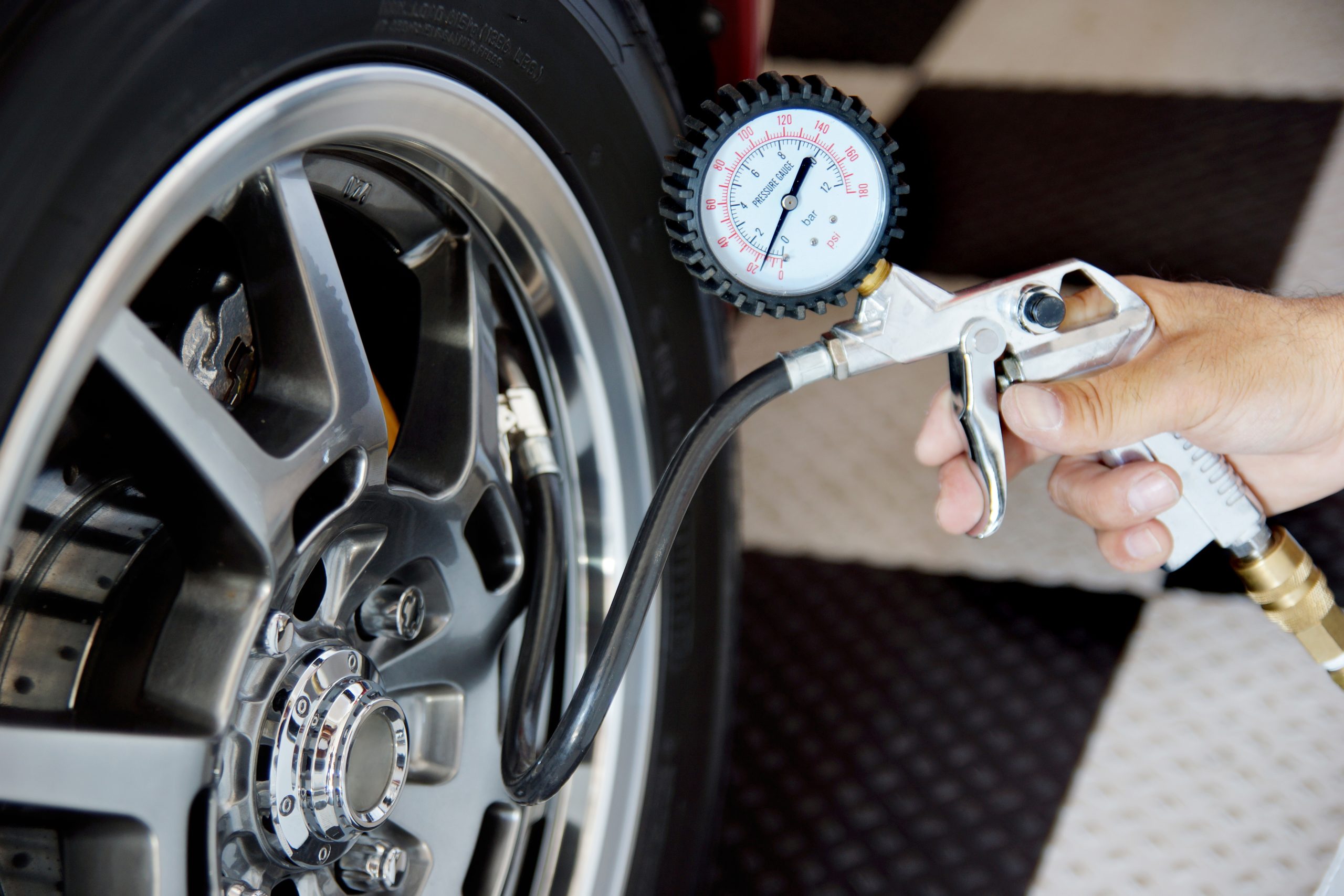
Gas station gauges can be inaccurate. Carry your own pressure gauge for precise readings. Check tire pressure before and after inflation. This helps avoid over or under-inflation. A small handheld gauge is easy to carry and use.
Avoid Overinflation
Too much air can cause tire damage. It reduces traction and makes tires wear unevenly. Inflate tires to the pressure listed on the driver’s door sticker. Stop pumping as soon as you reach the recommended PSI. Take your time and check pressure frequently.
Check Tires Regularly
Check tire pressure at least once a month. Also check before long trips. Tires lose air naturally over time. Regular checks prevent driving on unsafe tires. Keep tires properly inflated to improve safety and save fuel.
Common Questions
Many drivers have questions about inflating car tires at gas stations. Understanding the basics helps avoid mistakes and keeps tires safe. Below are answers to common questions about air pumps, nitrogen tires, and timing.
Free Vs Paid Air Pumps
Some gas stations offer free air pumps, while others charge a fee. Free pumps are usually basic and may not have digital pressure gauges. Paid pumps often provide more accurate readings and additional features. Always check the machine instructions before use.
Inflating Nitrogen-filled Tires
Nitrogen-filled tires need air too, but use nitrogen gas instead of regular air. At gas stations, most air pumps supply regular air, which is mostly nitrogen and oxygen. Adding regular air to nitrogen tires is safe but may reduce benefits over time. For best results, visit a service center that offers nitrogen refills.
Best Time To Inflate Tires
Check and inflate tires when they are cold. Cold tires give the most accurate pressure reading. Avoid inflating after driving for a long time or in hot weather. Early mornings or before driving are good times to check tire pressure.
Credit: www.vannyorkgm.com
Frequently Asked Questions
How Do I Put Air In My Tires At The Gas Station?
Check the recommended PSI on your driver’s door sticker. Park by the air pump. Remove the valve cap. Press the nozzle firmly onto the valve stem. Squeeze the trigger to add air in short bursts. Monitor pressure until reaching the correct PSI.
Can You Pump Your Car Tires At The Gas Station?
Yes, you can pump your car tires at most gas stations using their air pumps. Check your car’s recommended PSI first. Remove the valve cap, press the air nozzle firmly onto the valve stem, add air in short bursts, and monitor the pressure until it reaches the correct PSI.
Can You Fill Your Tires At Any Gas Station?
You can fill your tires at most gas stations with air pumps available on-site. Check your car’s recommended PSI first.
Is It Okay To Put Air In Nitrogen-filled Tires?
Yes, you can add regular air to nitrogen-filled tires without harm. It may reduce nitrogen benefits but keeps tires inflated properly.
Conclusion
Proper tire inflation improves safety and saves fuel every time. Follow the steps carefully at the gas station. Check your tire pressure regularly, especially before long trips. Using the air pump correctly keeps tires in good shape. Don’t forget to replace valve caps to avoid leaks.
Taking a few minutes to inflate tires can prevent bigger problems later. Keep your car running smoothly and enjoy a safer ride. Simple actions like this make driving easier and more efficient.