How to Put on Car Seat Cover: Easy Steps for a Perfect Fit
Putting on a car seat cover may sound simple, but many people struggle with it—especially the first time. A well-installed seat cover does more than make your car look good. It protects your seats from dirt, spills, and everyday wear.
If you want your car’s interior to last longer and stay clean, learning how to put on a car seat cover properly is a smart move.
Some people rush the job or skip steps, which leads to loose covers or wrinkles. This can be annoying and even dangerous if covers block seat controls or airbags. With the right technique, you can avoid these problems and get a neat, secure fit.
In this guide, you’ll find clear steps, practical tips, and answers to common questions about installing car seat covers.
Why Use Car Seat Covers?
Car seat covers are more than just decoration. They serve important functions:
- Protection: Covers guard against stains from food, drinks, and sweat.
- Preservation: They prevent fading and cracks caused by sunlight and age.
- Resale value: Clean, undamaged seats make your car more valuable when you sell it.
- Comfort: Some covers add extra padding or use materials that stay cool in summer.
Non-obvious insight: Some covers are designed for people with allergies and can make your ride healthier by blocking dust and pet hair from getting into the seat fabric.
Types Of Car Seat Covers
Before you start, you should know what type of seat cover you have. Not all covers install the same way. Here’s a quick comparison:
| Type | Main Material | Best For | Ease of Installation |
|---|---|---|---|
| Universal Fit | Polyester, cloth | Most cars, budget buyers | Easy to Moderate |
| Custom Fit | Leather, neoprene | Exact car models | Moderate to Hard |
| Bucket Seat | Vinyl, leather | Front seats | Easy |
| Bench Seat | Cloth, polyester | Rear seats | Moderate |
Universal covers are made to fit most cars, but may not look perfect on every seat. Custom covers are made for your exact car, so they fit better but can be harder to install.
What You Need Before Starting
Gathering the right items makes the job faster and smoother:
- Car seat covers for your car’s make and model
- Owner’s manual (to check for airbags or special controls)
- Scissors (for making holes, if the cover instructions allow)
- Flat tool or spatula (to tuck fabric between seat and backrest)
- Vacuum cleaner or brush (to clean seats before covering)
Extra tip: Wash your hands or wear gloves. Dirt or oil from your hands can stain light-colored covers during installation.
Step-by-step Guide: How To Put On Car Seat Cover
1. Clean The Seats
Before doing anything, vacuum or wipe your seats. Dirt or crumbs under the cover can cause lumps and may scratch the seat over time. Clean seats help the cover fit flat and stay in place.
2. Identify The Seat Parts
Check your seat: Where are the headrest, levers, or built-in airbags? Most modern cars have side airbags in the seat. Never block them. If you’re unsure, check the car’s manual.
3. Remove The Headrest (if Needed)
Most seat covers fit better if you remove the headrest first. Usually, there’s a button or latch at the base of the headrest posts. Press it and pull the headrest out gently. Set it aside.
4. Slide The Cover Over The Seat Back
Find the top of the cover. Align it with the top of your seat. Slide the cover down over the seat back, making sure it stays straight. Smooth out any wrinkles as you go.
Some covers have elastic bands or hooks at the bottom. Don’t attach these yet; just make sure the cover is pulled all the way down.
5. Fit The Cover Over The Seat Bottom
Next, stretch the bottom part of the cover over the seat cushion. Tuck any extra fabric or straps into the gap between the backrest and seat cushion. Use your hands or a flat tool.
For bench seats, you may need to pull the seat forward or fold it down to reach the back. Be careful not to break any plastic parts.
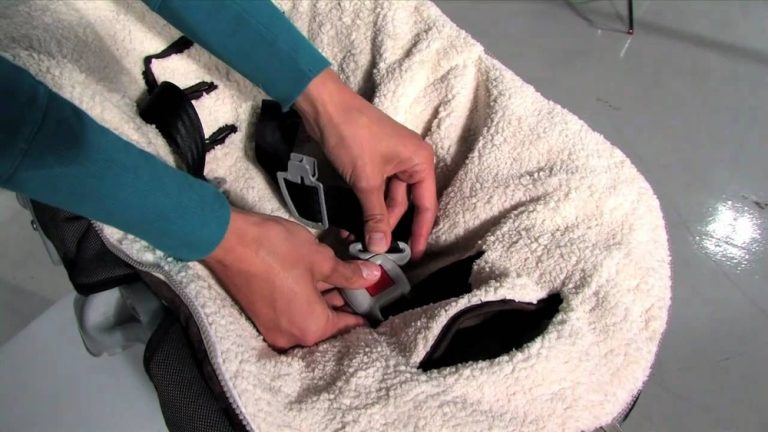
6. Connect Straps And Hooks
Most covers have straps, buckles, or hooks underneath. These keep the cover tight and prevent sliding.
- Reach under the seat and connect the straps as the instructions show.
- Pull the straps tight, but not so hard that they break.
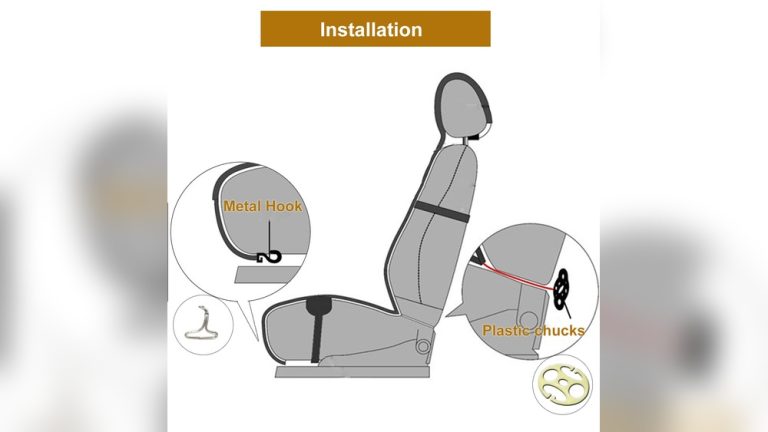
- If there are hooks, attach them to springs or metal bars under the seat.
Non-obvious tip: If straps are too long and dangle, tie them up or use zip ties. Loose straps can get caught in seat sliders or pedals.
7. Make Holes For Headrest Posts
If your cover does not have pre-cut holes, use scissors to make small slits where the headrest posts go. Be careful: cut only as much as needed. Too large a hole can lead to tearing.
Put the headrest posts through the holes and push the headrest back into place.
8. Install The Headrest Cover
Many seat cover sets include small covers for the headrest. Slide these over the headrest and secure with Velcro or zippers. Make sure the cover does not block adjustment buttons.
9. Adjust For Side Airbags And Controls
Check that the seat cover does not block any side airbags or seat adjustment levers. Some covers have labels or flaps for airbags—line these up with the right spot.
Blocking airbags is a serious safety risk. If you’re unsure, ask a mechanic or contact the seat cover brand.
10. Tidy Up And Final Checks
Smooth out any wrinkles and make sure the cover is centered. Sit in the seat and adjust the position if needed. Check that all features—like seat belts and controls—work properly.
Allow some time for the cover to settle. Most covers look even better after a few days as they “stretch in” to the seat shape.
Rear Seat Covers: Special Tips
Rear seats can be more challenging due to their shape and the seat belts.
- Fold the seat down if possible. This makes access easier.
- Some bench seat covers come in two pieces—backrest and bottom. Install each section separately.
- For split rear seats, make sure the cover does not block folding mechanisms.
If your car has child seats or uses the ISOFIX system, check that the cover has openings for these anchors.
Caring For Your Car Seat Covers
Good installation is just the start. To keep your covers looking new:
- Vacuum often to remove dust and crumbs.
- For fabric covers, use a damp cloth or upholstery cleaner for stains.
- For leather or vinyl, use a gentle cleaner made for those materials.
- Avoid strong chemicals or bleach—they can fade or crack the cover.
A common mistake is forgetting to tighten the straps after a few weeks. Covers can loosen as they settle. Check and re-tighten as needed.
Common Mistakes To Avoid
Many first-timers make simple errors that can ruin the look or function of their seat covers. Here are some to watch for:
- Skipping the cleaning step: Dirt under the cover causes lumps and wear.
- Not aligning airbag openings: This is a major safety risk.
- Cutting holes too large: This makes covers tear faster.
- Ignoring loose straps: These can tangle under the seat.
- Using covers not made for heated seats: Some covers block heat or even melt.
Non-obvious insight: Always check if your seat cover is compatible with heated or ventilated seats. Some materials trap heat or block airflow, making the system less effective.
Comparing Car Seat Cover Materials
Choosing the right material can make a big difference in comfort and durability. Here’s a quick look:
| Material | Comfort | Durability | Maintenance |
|---|---|---|---|
| Cloth | Soft, cool | Medium | Easy |
| Neoprene | Waterproof, padded | High | Moderate |
| Leather | Luxurious, cools/warms slowly | High | Requires special cleaner |
| Vinyl | Firm, can get hot | High | Wipe clean |
Choose material based on your climate, how much time you spend in the car, and your cleaning habits.
When To Replace Your Seat Covers
No seat cover lasts forever. If you notice these signs, it’s time for a new one:
- Tears or holes that can’t be fixed
- Covers slip or bunch up after tightening
- Faded or stained beyond cleaning
- Moldy smell that won’t go away
Regularly replacing seat covers keeps your car fresh and protects the original seat fabric.
Where To Find Help And More Information
If you’re stuck, don’t force things. Many car brands have video guides on their websites. You can also find advice on car forums or ask a professional installer.
For official advice and safety tips, visit the National Highway Traffic Safety Administration.

Credit: www.familyhandyman.com
Frequently Asked Questions
How Long Does It Take To Install Car Seat Covers?
Most people need 30 to 60 minutes for a full set. The first time may take longer, especially if you have custom-fit covers or rear bench seats.
Can Seat Covers Affect Airbag Safety?
Yes. Incorrectly installed covers can block side airbags. Always check for airbag labels and openings, and never use covers that don’t support your car’s safety features.
Are Seat Covers Machine Washable?
Some fabric covers can be washed, but always check the label. Never wash leather or vinyl covers in a machine—wipe them with a damp cloth instead.
Will Seat Covers Fit All Cars?
Universal covers fit most standard seats, but may not look perfect. For the best fit, buy custom covers made for your car’s model and year.
Can I Install Covers On Heated Seats?
Many modern covers are safe for heated seats if the package says so. Avoid thick or waterproof covers that block heat or could melt. Check your car’s manual for advice.
Putting on a car seat cover the right way is a simple skill that saves time and keeps your car looking great. Take your time, follow these steps, and enjoy a cleaner, more comfortable ride.