How to Inflate Car Tire at Gas Station: Quick & Easy Guide
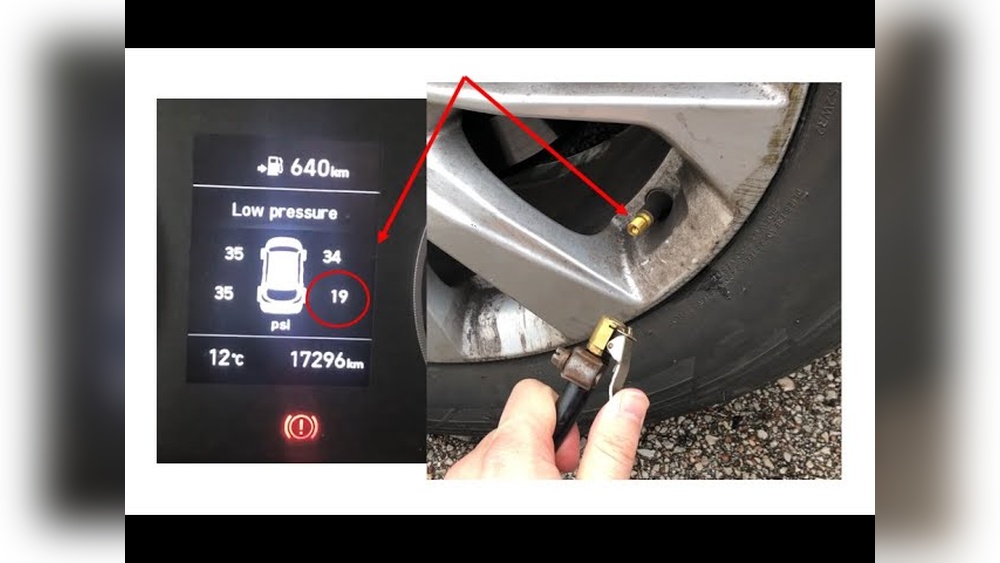
Have you ever noticed your car feeling a bit off while driving, or maybe your fuel efficiency isn’t what it used to be? One simple fix could be right at your fingertips—keeping your tires properly inflated.
But if you’re unsure how to inflate your car tire at a gas station, don’t worry. This quick guide will walk you through each step, making the process easy and stress-free. By the end, you’ll know exactly how to use those air pumps like a pro, save money, and boost your vehicle’s performance.
Ready to take control of your car’s health? Let’s get started!
Locate The Air Pump
Locating the air pump is the first step to inflate your car tire at a gas station. Most gas stations have air compressors near the fuel pumps. Knowing where to find it saves time and effort. The air pump is usually a tall machine with a hose and a pressure gauge attached. Some stations place it near the entrance or by the parking area for easy access.
Find The Air Compressor At The Gas Station
Look around the fuel pump area for a large machine with a hose. It often has a digital or analog pressure gauge on it. Some air compressors have a sign that says “Air” or “Tire Inflator.” If you do not see it immediately, check near the convenience store or the exit. Staff at the gas station can also point you in the right direction.
Check If The Air Pump Is Free Or Coin-operated
Some gas stations offer free air for tires. Others require coins or tokens to use the air pump. Look for a slot where you can insert quarters or tokens on the machine. The price usually ranges from 25 cents to a few dollars. If you do not have coins, nearby stores may sell tokens or accept cash for air pump use. Always check the instructions on the machine before starting.
Prepare Your Tire
Preparing your tire is the first important step before inflating it at a gas station. This ensures the process goes smoothly and safely. Proper preparation helps maintain tire health and improves driving safety.
Start by checking the tire and valve carefully. Small problems can lead to big issues if ignored. Take your time to prepare your tire well.
Remove The Valve Cap Carefully
Locate the valve cap on your tire’s valve stem. Turn it counterclockwise to unscrew it gently. Avoid using force to prevent damage to the valve. Keep the cap in a safe place. You will need to put it back after inflating the tire.
Inspect The Valve Stem For Damage
Look closely at the valve stem for cracks or bends. Damaged valves can cause air leaks. Check if the valve core is intact and not loose. If you see any damage, do not inflate the tire. Visit a mechanic to fix the valve before adding air.
Attach The Air Hose
Attaching the air hose correctly is a key step in inflating your car tire at a gas station. This step ensures air flows smoothly into the tire without any leaks. A proper connection helps maintain the right tire pressure and avoids wasting air. Take a moment to do this carefully for the best results.
Press The Nozzle Firmly Onto The Valve Stem
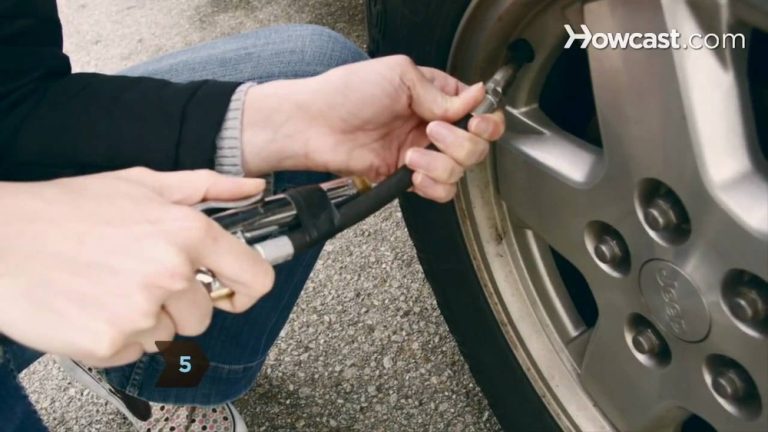
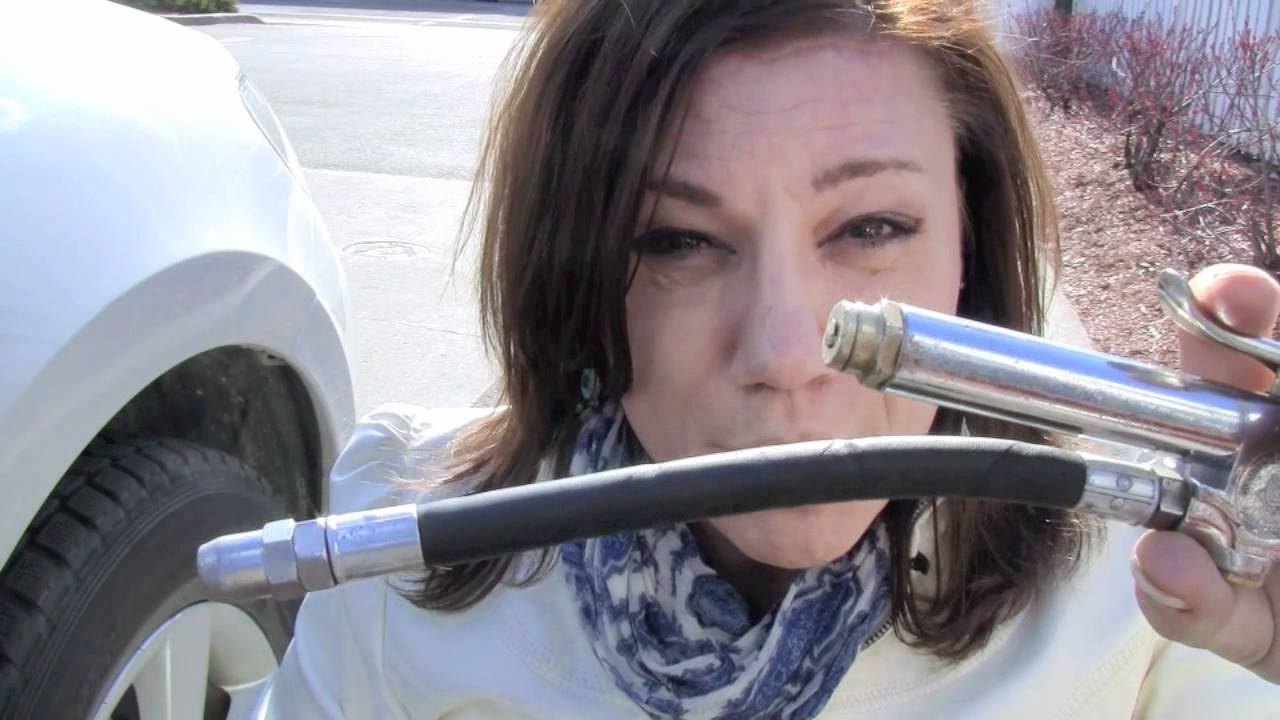
Hold the air hose nozzle and place it directly on the tire’s valve stem. Press down firmly to connect the nozzle to the valve. This action opens the valve and lets air flow into the tire. Keep the nozzle steady during inflation to avoid air loss.
Ensure A Tight Seal To Prevent Air Leaks
Check that the nozzle fits snugly around the valve stem. A loose fit causes air to escape, making inflation slow or ineffective. Adjust the nozzle if you hear hissing sounds. A tight seal keeps air inside and speeds up the inflation process.
Credit: www.youtube.com
Inflate The Tire
Inflating your car tire at a gas station is simple and quick. It helps keep your tires at the right pressure for safe driving. Proper tire pressure improves fuel efficiency and tire life. Follow these easy steps to add air correctly.
Add Air In Short Bursts
Press the air hose nozzle firmly onto the tire valve. Add air in short bursts instead of a long continuous flow. This method prevents overinflation and gives you better control. After each burst, pause to check the pressure. It also helps avoid overheating the air hose or tire.
Monitor The Pressure During Inflation
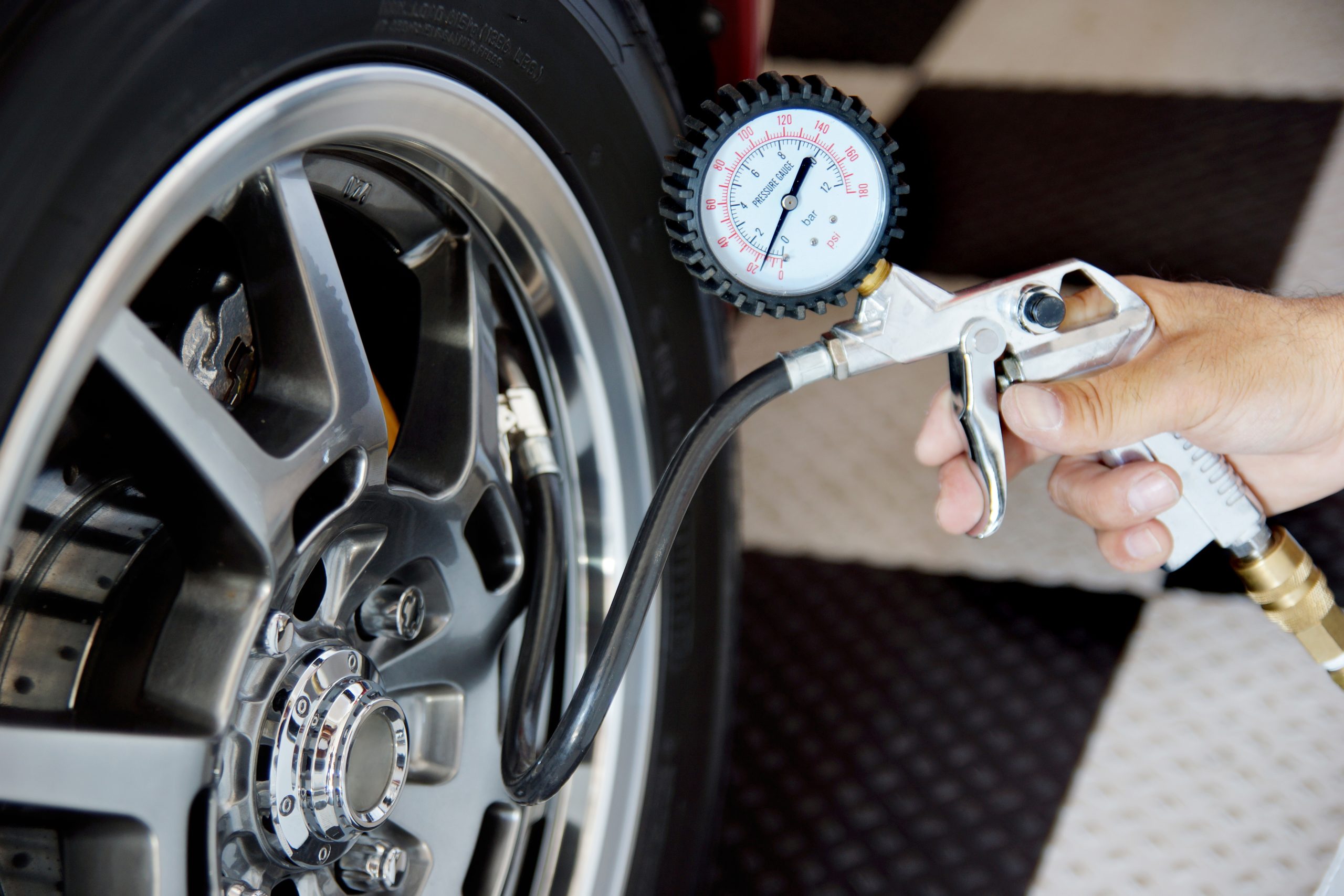
Use the pressure gauge built into the air pump or your own gauge. Check the tire pressure after each short burst of air. Compare it to the recommended pressure found in your car manual or door sticker. Stop adding air once you reach the correct pressure. This ensures your tire is safe and efficient for driving.
Check Tire Pressure
Checking tire pressure is a crucial step before inflating your car tire at a gas station. Proper pressure ensures safety, fuel efficiency, and tire longevity. Neglecting this step can lead to uneven tire wear or even blowouts.
Always check the tire pressure when tires are cold for an accurate reading. This means the car has not been driven for at least three hours. Use the tools available at the gas station to measure the pressure carefully.
Use The Pressure Gauge On The Air Pump
Most gas stations have an air pump with a built-in pressure gauge. Remove the valve cap from your tire. Press the gauge firmly onto the valve stem to get a reading. Note the pressure shown on the gauge. Repeat this for each tire to ensure all are checked.
Compare With Recommended Psi On Vehicle Door Sticker
Find the recommended tire pressure on a sticker inside the driver’s side door frame. This number is usually given in PSI (pounds per square inch). Compare the gauge reading with this recommended PSI. Inflate or deflate the tire until the pressure matches the recommended level exactly.

Credit: rnrtires.com
Adjust Air Level
Adjusting the air level in your car tire is a key step to safe driving. Proper pressure keeps your ride smooth and tires last longer.
Use the tire pressure gauge to check the current pressure. Compare it with the recommended level found in your car manual or door sticker.
Add More Air If Pressure Is Low
Attach the air hose to the tire valve tightly. Press the button or lever on the air pump to add air. Add in short bursts to avoid overfilling.
Check the pressure often during inflation. Stop adding air once it reaches the recommended level. Too little air can cause poor handling and tire damage.
Release Air If Overinflated
Press the small pin inside the valve stem to let air out. Use a tool or your fingernail carefully. Release air slowly and check pressure frequently.
Stop releasing air when the pressure matches the recommended number. Overinflated tires can lead to a harsh ride and increased wear.
Finish Up
After you have inflated your car tire to the right pressure, it is time to finish up the process. Properly ending the task helps keep your tire in good condition and prevents air from leaking out. Taking a few extra seconds to secure everything is important for safe driving.
Remove The Air Hose From Valve Stem
Gently pull the air hose off the valve stem. Avoid twisting or forcing it. A quick, straight pull will prevent damage. Listen for any hissing sounds. If air escapes, press the valve stem briefly to stop it. Make sure the hose is fully disconnected before moving on.
Replace The Valve Cap Securely
Put the valve cap back on the valve stem. Screw it on by hand until it is snug. Do not overtighten; it should be firm but easy to remove later. The cap protects the valve from dust, dirt, and moisture. This small step keeps your tire pressure stable over time.
Credit: www.vannyorkgm.com
Tips For Nitrogen-filled Tires
Maintaining nitrogen-filled tires requires special care during inflation. These tires help keep pressure steady longer than regular air. To keep your nitrogen tires working well, follow simple tips at the gas station. Proper handling preserves the benefits of nitrogen inside your tires.
Adding Regular Air Is Safe But Affects Nitrogen Purity
You can add regular air to nitrogen tires if needed. It will not harm the tire or rim. Regular air contains oxygen and moisture, which reduce nitrogen purity. This change may cause tire pressure to vary more over time. Still, topping off with regular air is safe in emergencies or when nitrogen is unavailable.
Top Off With Nitrogen When Possible
Try to refill your tires with nitrogen to keep purity high. Many service centers offer nitrogen inflation for this reason. Using nitrogen maintains tire pressure stability and reduces moisture inside the tire. This helps improve fuel efficiency and tire life. Check for nearby nitrogen stations or dealers that provide this service.
Safety And Maintenance Advice
Proper safety and maintenance keep your car tires in good shape. This helps avoid accidents and saves money on repairs. Regular checks and correct tire pressure improve driving comfort and fuel efficiency. Follow these simple tips when inflating tires at a gas station.
Check Tire Pressure Regularly
Check tire pressure at least once a month. Use a reliable pressure gauge for accuracy. Do this before driving, when tires are cold. Compare the reading to the recommended pressure in your car manual. Adjust as needed to keep the pressure within safe limits.
Avoid Overinflation And Underinflation
Overinflated tires wear unevenly and reduce grip on the road. Underinflated tires cause poor fuel economy and increase tire wear. Both conditions can lead to tire failure or blowouts. Inflate tires to the exact pressure suggested by the manufacturer. Use the air pump gauge carefully to avoid mistakes.
Frequently Asked Questions
How To Inflate Tires At A Gas Station?
Find the air pump, remove the valve cap, press the nozzle onto the valve stem, inflate in short bursts. Check tire pressure using a gauge and match the recommended PSI. Replace the valve cap. Repeat for all tires needing air.
Can You Pump Your Car Tires At The Gas Station?
Yes, you can pump your car tires at most gas stations using their air pumps. Always check the recommended tire pressure first.
Can You Fill Your Tires At Any Gas Station?
Yes, you can fill your tires at most gas stations with air pumps. Some may charge a fee. Always check tire pressure after inflating.
Is It Okay To Put Air In Nitrogen-filled Tires?
Yes, you can add regular air to nitrogen-filled tires safely. This dilutes nitrogen, reducing benefits. Maintain correct pressure for safety.
Conclusion
Keeping your tires properly inflated improves safety and fuel efficiency. Use the gas station air pump carefully and check pressure often. Don’t forget to replace the valve caps tightly after filling. Regular tire checks prevent flat tires and extend tire life.
A little effort at the pump saves you time and money later. Stay safe on the road by maintaining good tire pressure. Simple steps can make a big difference in your driving experience.